Does the Color of Mold Indicate How Dangerous it is?

Does the Color of Mold Indicate How Dangerous it is?

Does the Color of Mold Indicate How Dangerous It Is?

By Car Mold Guys  |  Mold Types & Science

100,000+
known mold species — most cannot be identified by color alone

0
mold colors that reliably predict toxicity or danger level

100%
of visible mold — regardless of color — requires proper remediation

When people spot mold in their car or home, the first question is almost always the same: "Is it black mold? Is that the dangerous kind?" It is an understandable reaction — the idea that mold color signals danger level is deeply embedded in popular health advice. But it is also one of the most persistent and potentially harmful misconceptions in mold science.

The short answer is no — the color of mold does not reliably indicate how dangerous it is. Color can offer a rough hint about what species you might be looking at, but toxicity, health risk, and remediation urgency are not determined by color. Here is how to think about it clearly — and why it matters especially in vehicle environments.

The Single Most Important Thing to Understand About Mold Color

If you can see mold — any color — the color is irrelevant. What matters is that it is present, it is growing, and it needs to be addressed properly. Black does not mean most dangerous. White does not mean safe. Dead mold does not mean harmless. The only meaningful response to any visible mold is professional remediation focused on source moisture, material contamination, and air quality — not visual identification by color.

Why Mold Color Is Misleading

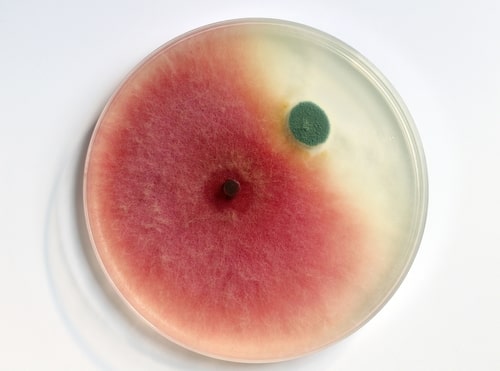
Mold color is not a fixed property of a species. It is influenced by a combination of variables that have nothing to do with how toxic or biologically active a colony actually is. The same species can appear in dramatically different colors depending on its environment — and two completely different species can look identical to the naked eye.

Mold color is shaped by:

  • Species and genetic strain — the same genus can produce multiple color variants
  • Age of the colony — young colonies are often white or gray before darkening as spores mature
  • Moisture level — wetter conditions tend to produce darker, denser pigmentation
  • Surface material — mold on fabric looks different from mold on foam, leather, plastic, or metal
  • Lighting and staining — pigment from the material itself can alter the apparent color of the colony

Two molds that look identical under normal lighting can behave very differently in the body. And the same mold colony can shift from white to green to black over the course of its growth cycle — without any change in its toxin production.

Common Mold Colors — What They Can and Cannot Tell You

Black Mold

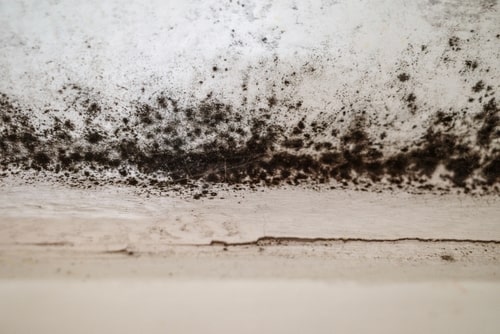
Black mold carries the most fearsome reputation — largely because of the term "toxic black mold," which became widely associated with Stachybotrys chartarum in the 1990s. But the reality is more nuanced. Many completely different species produce black or very dark colonies, and most of them are not Stachybotrys. Conversely, some genuinely dangerous molds are not black at all. Learn more about Stachybotrys black mold and whether all black mold is actually toxic.

REALITY: Color alone tells you nothing about toxicity. Species identification requires lab analysis — not a visual inspection.

Green Mold

Green mold is among the most common types found indoors and inside vehicles. It is frequently Aspergillus or Penicillium — genera that are widespread in the environment and capable of producing allergens, irritants, and in some strains, mycotoxins. The familiarity of green mold leads many people to underestimate it. Read our full breakdown of green mold types found in cars.

REALITY: Common does not equal harmless. Green mold in a vehicle requires the same remediation approach as any other color.

White Mold

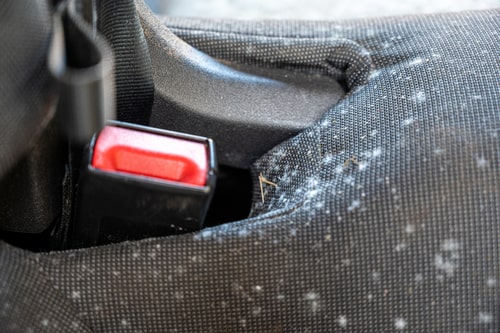
White mold is frequently mistaken for dust, mineral deposits, or salt residue — particularly on leather seats, plastic trim, and fabric surfaces inside a vehicle. This misidentification leads people to wipe it away rather than treat it, spreading spores in the process. White mold can be just as biologically active as darker varieties and is fully capable of releasing spores and fragments that trigger respiratory responses. See our in-depth post on white mold types, identification, and prevention.

REALITY: White mold is often the most overlooked — and the most likely to be spread accidentally by someone who does not recognize it.

Yellow / Orange Mold

Yellow and orange molds are less common in vehicle interiors but do occur, particularly on organic materials like wood trim, natural fiber upholstery, or in high-humidity storage conditions. Some yellow molds produce strong, acrid odors and can be significant irritants. Their relative rarity sometimes causes people to dismiss them — or to assume an unusual color means lower risk.

REALITY: Rarity does not equal safety. Unusual mold colors warrant the same professional response as common ones.

What Actually Determines How Dangerous Mold Is

If color is not the answer, what is? The genuine risk factors for mold exposure involve biology, physics, and environment — none of which are visible to the naked eye.

1. Species and Mycotoxin Production

Some mold species produce mycotoxins — potent chemical compounds that are toxic to humans and animals. Others produce primarily allergens. Some produce both, but only under specific environmental conditions. The species identity, not the color, determines mycotoxin potential — and species identification requires laboratory analysis, not visual inspection.

2. Fragmentation — The Hidden Multiplier

Dead or dried mold continues to release biologically active particles — spore fragments, cell wall components, and beta-glucans — that can trigger inflammation and immune responses even after the living colony has been killed. This is precisely why surface cleaning and DIY approaches often fail: they disturb and fragment the colony, increasing the total particle count in the air without eliminating the biological hazard. See our post on whether dead mold spores are still harmful.

3. Exposure Pathway and Duration

How mold enters the body matters enormously. Inhalation — the most common pathway in a vehicle — delivers particles directly into the respiratory system, where they have the most significant health impact. Skin contact and cross-contamination via HVAC systems or fabrics are secondary pathways. Duration of exposure compounds risk: a commuter spending an hour each way in a mold-contaminated vehicle accumulates far more exposure than someone who encounters mold briefly. Our post on symptoms of mold exposure details what prolonged contact looks like clinically.

4. Vehicle Environments Concentrate Exposure

Cars create uniquely hazardous mold environments because of their small, sealed air volume, highly porous interior materials, heat cycling that accelerates mold activity, and HVAC systems that recirculate contaminated air throughout the cabin. What might be a minor mold issue in a large room becomes a concentrated inhalation hazard inside a vehicle. Even visually small mold colonies — regardless of color — can represent a significant exposure risk to daily drivers. Read more about why air quality inside a car is often worse than outside.

Why Visual Testing by Color Is a Mistake

Even professional mycologists — scientists who specialize in fungal biology — do not rely on visual color identification to determine mold species or toxicity. They use laboratory culturing and microscopic analysis. If trained scientists cannot reliably identify mold by color, a homeowner or car owner certainly cannot.

More importantly, even lab-based species identification does not tell the whole story. Health effects from mold exposure depend on the total particle load, the duration of exposure, the sensitivity of the individual, and the specific toxins or allergens being produced — none of which are captured by a species name alone.

In professional car mold remediation, the focus is never on identifying and categorizing mold by color. It is on locating the moisture source that allowed mold to establish, removing or treating contaminated materials, controlling airborne particle counts, and preventing regrowth. The ANSI/IICRC S520-2024 standard that Car Mold Guys follows does not distinguish remediation protocol by mold color — because color is not a meaningful variable in proper remediation practice.

THREE MOLD COLOR MYTHS — PERMANENTLY DEBUNKED

Myth: Black = Most Dangerous

Many black molds are not significant toxin producers. Many dangerous molds are not black. Species — not color — determines mycotoxin potential.

Myth: White = Safe

White mold is frequently misidentified as dust and wiped away — spreading it further. It is just as capable of releasing harmful spores and fragments as any other color.

Myth: Dead Mold = Harmless

Dead mold releases fragments, cell wall particles, and beta-glucans that continue to trigger inflammation. Killing mold without removing it solves nothing.

Dig Deeper: Related Articles

Whatever Color the Mold — It Needs to Go

Car Mold Guys does not judge mold by color — we eliminate it at the source using the ANSI/IICRC S520-2024 standard. No guessing. No surface masking. No return of odor or growth within our 90-day warranty period. Whatever you are seeing in your vehicle, we know how to handle it.

Get a Professional Mold Assessment

The Dangers of Car Mold and Why it Should be Taken Seriously

The Dangers of Car Mold and Why it Should be Taken Seriously

Is There Mold in Your Car? Here's Why You Can't Afford to Ignore It

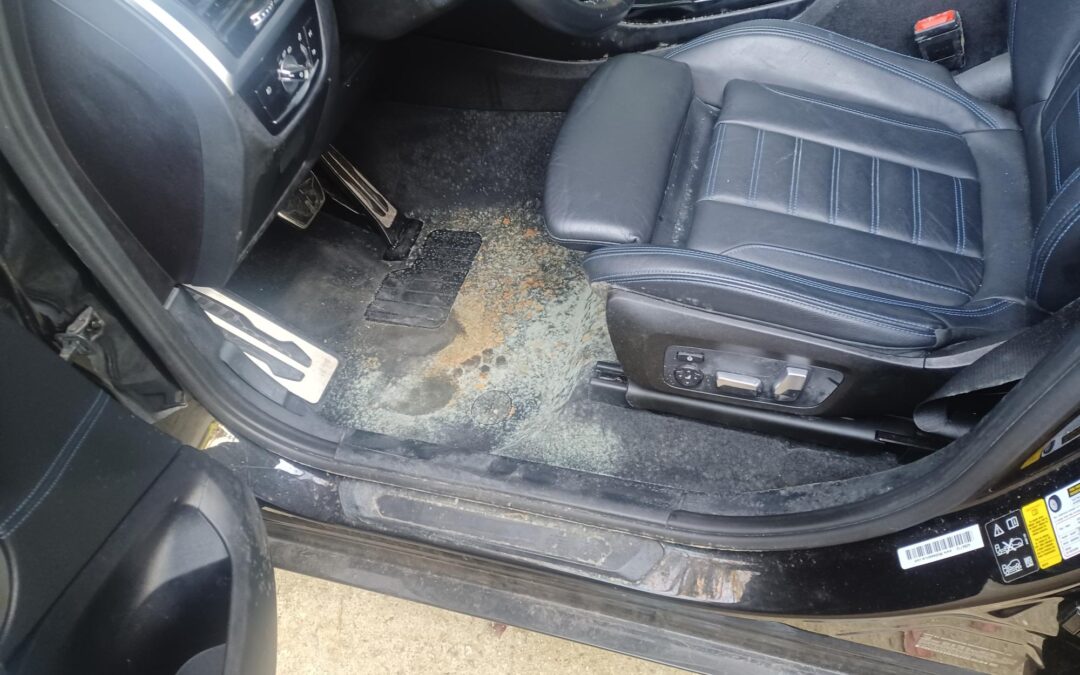
Mold doesn't need much of an invitation. A little moisture, a forgotten coffee spill, a leaky window seal — and within 24 to 48 hours, mold spores can take hold inside your vehicle. What starts as a faint musty smell can quickly turn into a full-blown health hazard that affects everyone who rides in your car.

If you've noticed an unusual odor, visible dark spots on your seats or carpet, or you're sneezing every time you get behind the wheel — this article is for you.

24–48 HRS
All mold needs to take hold after moisture gets in
3
Factors that make car mold worse than house mold
$1,000s
Potential loss in resale value from mold damage

Why Car Mold Is More Dangerous Than You Think

Car mold is just as serious as house mold — and in many ways, it's worse. The risks are amplified by three factors that most people never consider:

A Confined Space

A small, sealed cabin concentrates spores in a fraction of the air volume you'd have in any room of a house.

Ventilation Aimed at You

A ventilation system that blows directly on occupants, delivering whatever is growing in it straight to your face.

Constant Vibration

Road vibration shakes spores loose and keeps them suspended in the air you're breathing for the whole drive.

Most people assume mold is just an aesthetic problem — something unsightly but harmless. That's a costly misconception. Car mold is a biological contaminant that thrives in the enclosed, often poorly ventilated space of a vehicle. Because you're sealed inside with it every time you drive, your exposure is concentrated and repeated.

The Health Risks of Car Mold Exposure

According to the Centers for Disease Control and Prevention (CDC), mold exposure can cause a wide range of health issues, particularly affecting the respiratory system. Inside a car, those risks are amplified because you're breathing in a closed environment with limited airflow.

Common Symptoms of Mold Exposure
  • Chronic coughing and sneezing
  • Watery, itchy eyes
  • Throat irritation and nasal congestion
  • Skin rashes or irritation
  • Headaches and fatigue
  • Worsening asthma or allergy symptoms

For people with compromised immune systems, existing respiratory conditions, or mold allergies, the consequences can be severe. The American College of Allergy, Asthma & Immunology (ACAAI) notes that mold allergies can trigger asthma attacks, and prolonged exposure can lead to hypersensitivity pneumonitis — a serious lung condition that can be mistaken for pneumonia. Our guides to symptoms of mold exposure and how mold affects the respiratory system go deeper on both.

Bottom line: If you're driving with mold in your car daily, you're not just uncomfortable — you're putting your health at real risk every single trip.

How Mold Damages Your Vehicle

Beyond your health, mold causes serious physical damage to your car's interior. Mold produces enzymes that break down organic materials — and your car's interior is full of them: fabric seats, carpet, foam padding, leather, and even the headliner.

Left Untreated, Mold Can:
  • Permanently stain and deteriorate upholstery and carpet
  • Break down foam padding inside seats
  • Corrode metal components beneath carpet and floor mats
  • Compromise the structural integrity of interior panels
  • Infiltrate your HVAC system, spreading spores every time you use your heat or A/C

Once mold gets into your car's ventilation system, it circulates throughout the entire cabin every time you turn on the air. This is one of the most dangerous — and overlooked — aspects of car mold contamination.

The Impact on Your Vehicle's Value

Thinking about selling your car? Mold is one of the fastest ways to destroy resale value. Even if the mold is removed, lingering odors and visible staining can be a dealbreaker for buyers. Carfax and vehicle inspection services increasingly flag odor and interior damage, and a moldy car on a dealer lot — or in a private sale — is a car that sits unsold.

According to Kelley Blue Book, interior condition is one of the top factors that affects used car value. Mold damage can reduce a vehicle's market value by hundreds or even thousands of dollars depending on severity.

Investing in professional mold remediation early isn't just about health — it's about protecting a major financial asset. If you're pursuing a claim, our guide to documenting car mold for insurance walks through the process.

Where Does Car Mold Come From?

Understanding the source helps prevent recurrence. The most common causes of car mold include:

  • Wet carpets from tracked-in rain or flooding
  • Spilled drinks or food left to sit in warm conditions
  • Leaking windows, sunroofs, or door seals
  • Leaving windows down during rain
  • Condensation buildup in humid climates (especially in the South)
  • A/C systems that collect moisture and don't dry properly

The Southeast's hot, humid summers create the perfect breeding ground for mold growth. Vehicles parked in garages or shaded areas with poor ventilation are especially vulnerable.

DIY vs. Professional Mold Removal: What's the Difference?

You'll find plenty of tutorials online for removing car mold with vinegar, bleach, or baking soda. While these methods can address minor surface mold, they almost never eliminate the problem completely. Here's why:

  • Mold roots (hyphae) penetrate deep into porous materials — foam, carpet backing, and fabric — where surface sprays can't reach
  • Improper treatment can spread spores to unaffected areas, making the problem worse
  • Odors return because the underlying biological contamination wasn't fully addressed
  • No post-treatment verification means you're guessing, not knowing

A professional auto mold remediation service uses HEPA-filtered equipment, EPA-registered antimicrobials, and containment protocols to ensure complete removal. Post-treatment testing confirms the mold is gone — not just masked.

The EPA's guidelines on mold remediation emphasize that porous materials with significant mold growth typically need to be removed and replaced — not just cleaned — to achieve lasting results. That's exactly how Car Mold Guys works, to the ANSI/IICRC S520 standard: leak repair, contaminated padding removal, full drying, chlorine dioxide gas treatment rather than ozone, a professional HVAC purge, a MERV 13 cabin filter, encapsulation as the final step, and verification that the interior is genuinely clear.

Signs You Need Professional Car Mold Remediation

Don't wait until the problem is severe. Contact a professional if you notice:

A persistent musty odor
A musty or earthy smell that doesn't go away, no matter how often you air the car out.
Visible dark spots
Black, green, or white patches on seats, carpet, or the headliner.
Symptoms that ease outside the car
Unexplained allergy-like symptoms that improve when you're out of the vehicle.
A history of water intrusion
Past flooding, significant water intrusion, or chronic moisture issues.
Musty air from the vents
Your A/C or heat smells musty when it blows — a strong sign mold has reached the ventilation system.

Take Action Before Mold Takes Over

Car mold isn't a problem that resolves on its own — it spreads. Every day you wait is another day the contamination grows deeper into your vehicle's materials and your lungs. If you suspect mold in your vehicle, don't guess — get it handled by a specialist. Not sure yet? Start with our guide to detecting mold in a car.

Frequently Asked Questions About Car Mold

Can car mold make you sick?

Yes. Mold exposure in a vehicle can cause respiratory issues, allergic reactions, headaches, and in severe cases, serious lung conditions — especially with repeated daily exposure.

How long does it take for mold to grow in a car?

Under the right conditions (warmth and moisture), mold can begin growing within 24–48 hours of water intrusion. Our mold growth timeline breaks down what happens hour by hour.

Is car mold covered by insurance?

In some cases, yes. If mold resulted from a covered event like flooding, your comprehensive auto insurance may cover remediation. Check with your provider.

Can I remove car mold myself?

DIY methods can address very minor surface mold, but professional remediation is recommended for any significant growth to ensure complete removal and prevent regrowth.

Don't Guess — Get It Handled by a Specialist.

At Car Mold Guys we use professional-grade equipment and proven remediation protocols to fully eliminate mold from your vehicle's interior — and keep it gone. Leak repair, contaminated padding removal, chlorine dioxide treatment, HVAC purge, MERV 13 cabin filter, and final-step encapsulation, all verified. 100% mobile across Georgia, South Carolina, North Carolina, Tennessee, Florida, and Alabama, backed by a 90-day warranty.

Get Your Free Assessment

Are Dead Mold Spores Harmful?

Are Dead Mold Spores Harmful?

Are Dead Mold Spores Harmful? What Every Car Owner Needs to Know

You found mold in your car. You treated it, cleaned it, and the visible growth is gone. Problem solved, right? Not exactly.

This is one of the most common and costly misconceptions in car mold remediation. Many car owners — and even some detailers — believe that once mold is killed, the threat is neutralized. But dead mold spores can still cause real health problems, and leaving them behind affects the air quality inside your vehicle every single time you drive. Here's what's actually happening inside your car, why dead spores still matter, and what real remediation looks like.

0.3 MICRONS
How small spore particles are — they don't just wipe away
3 WAYS
Dead spores still harm you — even with the mold long gone
50+ MIN
A daily commute breathing whatever is left in the cabin

What Are Mold Spores, and Why Do They Matter?

Mold reproduces by releasing microscopic particles called spores. Think of them like seeds — lightweight, virtually invisible, and built to survive long enough to find a new surface and start a fresh colony. In a car, mold typically begins growing after moisture gets trapped inside: a leaking window seal, a clogged A/C drain line, a forgotten wet gym bag, or repeated exposure to high humidity. The confined space of a vehicle is a perfect incubator: limited airflow, porous carpet and upholstery, and fluctuating temperatures.

Once established, a colony continuously releases spores into your cabin air. Those spores settle into seat foam, headliners, air vents, and the HVAC system — and they don't disappear just because you spray something on them.

Are Dead Mold Spores Still Harmful? Yes — Here's Why

REALITY: When mold is treated with antifungal sprays, bleach, or other chemicals, the living organism dies — but the spore particles remain. They don't dissolve or disappear. They sit in your upholstery, float in your cabin air, and cycle through your ventilation system. Killing the mold and removing the mold are two completely different things.

1. Allergic reactions don't require live mold

Your immune system reacts to the protein structure of mold spores, not to whether the mold is alive or dead. Sneezing, watery eyes, skin irritation, and nasal congestion can all still be triggered by dead spores — so for people with mold allergies, the relief they expect after treatment may never come, because the allergen source is still present. The American Academy of Allergy, Asthma & Immunology notes that mold is among the most common environmental allergens, and spore exposure — even from non-living mold — is enough to trigger reactions in sensitive people.

2. Respiratory problems persist

People with asthma, chronic bronchitis, or other respiratory conditions are especially vulnerable. Dead spores can lodge in the airways and cause inflammation, wheezing, coughing, and shortness of breath — and mold exposure is associated with upper-respiratory symptoms and aggravated asthma regardless of whether the spores are alive. Spending 30, 60, or 90 minutes a day commuting in a car with unresolved spore contamination adds up fast. It's a daily, repeated exposure event.

3. Mycotoxins survive the death of the mold

Certain species — most notably Stachybotrys chartarum, black mold — produce toxic byproducts called mycotoxins, and critically, they do not break down when the mold dies. Mycotoxins bind to surfaces and particles, making them very difficult to remove without professional-grade treatment. The EPA acknowledges that mycotoxins present real health concerns that require thorough remediation — not just surface-level cleaning.

Why Cars Are Especially High-Risk

A mold problem in a 2,000-square-foot home is serious. A mold problem in a 100-cubic-foot car cabin is arguably worse:

Concentration. A car is an enclosed space with limited air volume. The same number of spores that might dilute to safe levels in a large room become highly concentrated in a cabin.

Recirculation. Your HVAC actively pulls air through the cabin and pushes it back out. If spores are in your vents, evaporator coil, or cabin filter, every use of the heat or A/C redistributes them.

Duration. The average American spends over 50 minutes a day in their vehicle — sustained, repeated exposure in close proximity, often with the windows up.

What Real Car Mold Remediation Looks Like

Killing mold is only the first step. Complete remediation means removing all traces — living and dead — and eliminating the moisture source that caused it. Here's the sequence Car Mold Guys follows, built on the ANSI/IICRC S520 standard:

1

Find and fix the moisture source. Mold doesn't grow without water. Leaking seals, clogged sunroof drains, A/C drain blockages, damaged weatherstripping, or wet mats that never dried — the source has to be repaired first, or every other step is temporary.

2

Remove contaminated materials. Dead spores embed deep in porous materials and can't be fully extracted by surface cleaning. Soaked carpet padding and insulation often have to come out, with HEPA-filtered containment throughout.

3

Treat with chlorine dioxide. A gas that penetrates foam, carpet backing, and ductwork to neutralize both spore proteins and mycotoxins — reaching what no off-the-shelf spray can.

4

Purge the HVAC system and replace the filter. The cabin filter comes out for a fresh MERV 13, and the evaporator coil and ductwork are treated directly. Skip this and the A/C reintroduces spores almost immediately.

5

Dry, then encapsulate. The vehicle is dried below the moisture threshold mold needs (verified with meters), then a mold-inhibitor sealer is applied to treated surfaces as the final guard against regrowth — after removal, never instead of it.

6

Verify the air quality. Post-remediation testing confirms the cabin is actually clear — the difference between "we cleaned it" and "we can show you it's clean."

⚠️ Why we don't use ozone or foggers for this

Ozone shock treatments are still marketed for car mold, but they degrade the rubber seals and weatherstripping inside your vehicle while failing to reach spores embedded under carpet or inside foam. Foggers and odor bombs share the same flaw — they treat the air, not the material. That's why our process is built on chlorine dioxide and physical removal, not oxidizing shortcuts that can damage the car and leave the contamination behind.

How to Prevent Car Mold From Coming Back

Address water intrusion immediately

Don't let a small leak become a big mold problem.

Never leave wet items in a closed car

Towels, umbrellas, and gym clothes trap moisture inside.

Run the A/C and dry the evaporator

Use fresh-air mode for the last few minutes of a drive.

Replace the cabin air filter on schedule

At or before the manufacturer's recommended interval.

Killing the mold and removing the mold are two different things. Dead spores and mycotoxins don't leave on their own — and your cabin air recirculates whatever stays behind.

The Bottom Line: Don't Stop at Killing the Mold

The question "are dead mold spores harmful?" has a clear answer: yes. Killing the mold is an important step, but it's not the finish line. True remediation means removing all biological material — live and dead — from every surface, decontaminating the HVAC system, eliminating moisture sources, and using the right professional-grade methods where the infestation warrants it. If you're dealing with mold in your vehicle and want it handled correctly the first time, Car Mold Guys specializes in professional automotive mold remediation — not just cleaning, but complete removal of spores, odors, and mycotoxins so your car is genuinely safe to drive again. This article is general information, not medical advice.

Killed the Mold? You're Only Halfway There.

Dead spores and mycotoxins stay behind after the mold dies — and your cabin air recirculates them. Car Mold Guys removes what's left the right way: contaminated material out, chlorine dioxide treatment, HVAC purge, MERV 13 filter, encapsulation, and verified air quality. Mobile to your door, backed by a 90-day warranty across GA, SC, NC, TN, FL, and AL.

Schedule a Vehicle Assessment

This article is general information, not medical advice; consult a healthcare provider about persistent symptoms. Sources: AAAAI · EPA — Mold Course

Green Mold Types

Green Mold Types

Green Mold Types: What That Color Actually Tells You

Five species. Different risks. One thing they share — none of them belong in your home or your vehicle.

5
Primary mold species commonly identified by a green appearance — each with a distinct biology, habitat, and health profile

COLOR
Alone is an unreliable identifier — the same species can appear green, blue, yellow, or black depending on age, moisture, and surface

24–48
Hours before green mold begins colonizing a wet surface — including car interiors where moisture has entered the cabin

Green mold is not a single species. It is an informal visual category — a description of how a mold colony looks at a given moment in time. The color comes from pigment in the mold's spores, and it can shift to blue, yellow, or near-black depending on the organism's age, the moisture level, and the surface it is colonizing. What appears green today may look quite different in two weeks.

Because color alone is such an unreliable identifier, understanding the five species most commonly responsible for green mold growth — and what distinguishes each of them — gives you a far more useful frame for assessing what you are dealing with and how seriously to respond. This matters practically: different mold species carry different health profiles, colonize different surfaces, and in some cases require different treatment approaches.

WHAT ALL GREEN MOLD SPECIES HAVE IN COMMON

All molds — regardless of color — are fungi that grow as multicellular filaments called hyphae and reproduce by releasing microscopic spores into surrounding air. Those spores are invisible to the naked eye, can remain airborne for hours, and are present in virtually every environment. What triggers colonization is not the presence of spores — it is the presence of moisture, warmth, and an organic food source on a surface where those spores land.

Green mold thrives anywhere moisture is present. A slow leak behind drywall, a spilled drink absorbed into a car seat, or sustained indoor humidity above 60% is sufficient to initiate a colony. Once established, green mold species spread quickly and penetrate porous materials — wood, drywall, carpet, seat foam — in the same way as every other mold category. The color does not determine the danger level. The species, the concentration, and the duration of exposure do.

The Five Most Common Green Mold Species Found Indoors

Only laboratory testing can definitively identify a mold species from a surface sample. But knowing the five most common green mold species — their typical appearance, where they tend to colonize, and the health risks they carry — gives you a practical framework for evaluation and response.

1  ·  Aspergillus

Appearance
Green, yellow, or white colonies with a velvety surface texture; color varies widely by strain

Common Locations
Damp walls, HVAC systems, fabrics, under floor mats, inside door panels

Risk Level
Moderate to high — certain strains produce aflatoxins and pose serious risk to immunocompromised individuals

Aspergillus is one of the most widespread molds on the planet — found indoors and outdoors at all times of year. While most healthy individuals can tolerate mild, brief exposure, certain Aspergillus strains produce aflatoxins, among the most potent naturally occurring carcinogens known. For immunocompromised individuals — cancer patients, transplant recipients, those on long-term corticosteroids — Aspergillus can cause invasive aspergillosis, a serious fungal infection capable of spreading beyond the lungs. In vehicles, it is commonly found in areas that stay persistently damp: under floor mats, inside door panels, and within HVAC evaporator components. Its mycotoxin production makes professional treatment rather than surface cleaning the appropriate response.

2  ·  Penicillium

Appearance
Blue-green with a distinctive powdery or velvety texture; one of the more visually consistent green molds

Common Locations
Water-damaged walls, wallpaper, carpeting, upholstery, HVAC systems and air ducts

Risk Level
Moderate — well-documented allergen; spreads aggressively via high spore volume; significant HVAC risk

The same genus that gave medicine penicillin antibiotics — but finding it in your vehicle or home is decidedly not beneficial. Penicillium is particularly problematic because it releases an exceptionally high volume of airborne spores and spreads aggressively across porous surfaces. It is a well-documented trigger for allergic reactions, sinus inflammation, and asthma flare-ups, recognized by the American Academy of Allergy, Asthma & Immunology as a significant environmental allergen. In a vehicle, Penicillium readily colonizes upholstery and headliners and, once it reaches the HVAC system, is distributed throughout the cabin every time the climate control operates. Even after surface treatment, contaminated ductwork continues reintroducing spores — which is the clearest reason why HVAC decontamination is not an optional step.

3  ·  Cladosporium

Appearance
Olive-green to dark brown or black; powdery or suede-like texture; easily confused with black mold

Common Locations
Wood, textiles, HVAC ductwork, seat fabric, carpet near water intrusion points

Risk Level
Moderate — top worldwide trigger for mold allergies; causes respiratory and skin symptoms even in otherwise healthy individuals

Cladosporium leans olive-green to dark brown or black in color, making it straightforward to confuse with Stachybotrys — a reminder that color identification without testing is always provisional. It is one of the most common outdoor molds globally and readily colonizes indoor surfaces when moisture creates the conditions it needs. The EPA notes that Cladosporium is among the most frequently detected molds in air sampling studies of both indoor and outdoor environments. It is a top trigger for mold allergies worldwide and causes sneezing, nasal congestion, eye redness, and skin irritation even in otherwise healthy individuals. In vehicles it commonly appears on seat fabric and carpet near water intrusion points, and on dashboard vents where it exploits condensation and organic dust accumulation.

4  ·  Trichoderma

Appearance
Greenish-white, often with a fluffy or cottony initial texture that develops a more dense green as it matures

Common Locations
Water-damaged wood, paper products, behind walls after flooding; less common in vehicles but present in severely water-damaged cases

Risk Level
Moderate — some strains produce mycotoxins; notably destructive to cellulose-based building materials

Trichoderma is a fast-growing mold that appears greenish-white and is commonly found on water-damaged wood, paper products, and behind walls following flooding or a slow leak. It is particularly notable for its capacity to break down cellulose — a primary structural component of wood, drywall, and paper — at a surprisingly rapid rate. This makes it destructive to building materials well beyond the surface contamination visible to the eye. Some Trichoderma species produce mycotoxins that are harmful to both humans and animals. In a vehicle context, Trichoderma is more likely in severely water-damaged cases involving flooding or long-term unaddressed moisture than in typical water intrusion scenarios. A musty odor combined with any structural softening of wood trim or substrate materials near a water-damaged area warrants professional evaluation.

5  ·  Fusarium

Appearance
Primarily pink to reddish-orange; appears greenish in early growth stages — the most color-variable of the five species

Common Locations
Water-damaged carpet, wall insulation, seat foam, plant material; active even in cooler temperatures

Risk Level
Moderate to high — produces mycotoxins; associated with eye and skin infections; grows at lower temperatures than most species

Fusarium is primarily pink to reddish-orange in its mature form but appears greenish in early growth stages, making it a source of misidentification in visual assessments. Its most significant differentiating characteristic in the context of vehicle mold is its capacity to grow at lower temperatures than most other species — establishing colonies in cooler months when other mold types would slow down, making it a genuine year-round concern. It produces mycotoxins and has been associated with respiratory tract infections, eye infections, and skin irritation with prolonged exposure. Like Penicillium, Fusarium spreads readily through airborne spores and resists elimination without professional-grade treatment and moisture source resolution. Its cottony early-stage texture can be mistaken for dust on carpet or seat fabric, contributing to delayed recognition. The Asthma and Allergy Foundation of America documents its health impacts as part of broader mold-related illness.

Is Green Mold Dangerous? And How Does It Compare to Black Mold?

The short answer: yes, green mold can be dangerous — but degree of risk depends on the species, the extent of growth, the duration of exposure, and the health status of those exposed. The common assumption that green mold is "less serious" than black mold is not supported by biology.

The Color Myth

Color is a poor and unreliable predictor of mold danger. Stachybotrys chartarum — commonly called toxic black mold — receives disproportionate attention based on its color, but multiple green and other-colored mold species produce comparable or in some cases more potent mycotoxins. Meanwhile, not all black-colored mold is Stachybotrys. Visual color assessment without laboratory identification is always provisional and frequently misleading.

What Actually Determines Risk

Species identity, mycotoxin production capacity, spore volume, concentration in the breathing environment, duration of exposure, and the individual's health baseline — these are the factors that determine how serious a mold problem actually is. A green Aspergillus colony producing mycotoxins in a vehicle's HVAC system poses a more serious health risk than visible but non-toxigenic black surface mold on tile that is cleaned promptly.

REALITY: If you see green mold, treat it seriously — not because the color signals danger, but because visible mold on any surface means the conditions for growth have been met, the colony is actively releasing spores, and there is very likely more contamination on surfaces you cannot see. See our broader article on whether mold color indicates how dangerous it is for a full breakdown of this question.

Green Mold Health Effects

Common symptoms of green mold exposure span the same spectrum as other mold types, because the underlying mechanisms — spore inhalation triggering immune response, mycotoxin exposure causing systemic effects — are the same regardless of color. See our full guide to mold exposure symptoms for a comprehensive breakdown, including the environmental pattern that points to a vehicle as the source.

Persistent coughing, wheezing, and shortness of breath — especially in or after time in an affected environment
Allergic reactions — sneezing, runny nose, itchy or watery eyes, skin rashes or hives
Sinus and nasal congestion that does not resolve — often mistaken for a chronic cold or seasonal allergy
Headaches and fatigue during or after exposure — particularly with commute-correlated patterns in vehicle cases
Eye and throat irritation, voice changes, or hoarseness persisting without another clear cause

Children, elderly individuals, pregnant women, and anyone with asthma, allergies, COPD, or compromised immune function face elevated risk at lower exposure thresholds. For these populations, even small green mold colonies in a confined space like a vehicle cabin can produce significant symptoms. The National Institutes of Health has documented the links between long-term mold exposure and chronic respiratory illness across multiple research cohorts.

Where Green Mold Commonly Appears — Including in Vehicles

COMMON COLONIZATION SITES
In the Home
  • Bathroom walls, ceilings, and grout lines
  • Under kitchen sinks and around refrigerator drip pans
  • Window sills and air conditioning unit surrounds
  • Basements, crawl spaces, and attics with inadequate ventilation
  • Stored clothing, books, and cardboard boxes in humid areas
In Vehicles
  • Seat fabric and upholstery following water intrusion
  • Carpet and padding near water leak points
  • Trunk liner and cargo area after flooding or rain entry
  • HVAC evaporator coil and duct interior surfaces
  • Hidden locations behind door panels, under seats, and in headliner seams

ALERT: If you can see green mold on a surface, there is very likely more you cannot see. Visible surface growth means the colony has already established itself, is actively releasing spores, and has in most cases already penetrated into the material below. The visible patch is the indicator, not the full extent of the contamination.

Preventing Green Mold From Coming Back

Removal without addressing the moisture source is a temporary measure. Every green mold species covered in this article will return if the conditions enabling it are not eliminated. These are the prevention actions that work.

  • Control humidity. Keep indoor humidity between 30–50% using dehumidifiers or properly sized air conditioning. Monitor with an inexpensive hygrometer — the EPA recommends this as a frontline prevention tool.
  • Fix water intrusion immediately. Any water entry — roof, plumbing, window seal, or vehicle leak — should be addressed within 24 to 48 hours. Review the most common vehicle water leak sources to recognize early warning signs before mold establishes itself.
  • Ventilate properly. Use exhaust fans in bathrooms and kitchens. In vehicles, run the AC periodically on fresh air mode to dry out the evaporator and prevent condensate buildup in the ductwork.
  • Never leave wet items in closed spaces. Damp towels, gym bags, and wet floor mats left in a sealed vehicle create the sustained moisture green mold species need to establish colonies.
  • Inspect vehicles regularly. A musty odor that returns after cleaning is not a maintenance issue — it is a mold indicator. See our guide to detecting mold in a car for a systematic approach.

The Bottom Line

Green mold is not a single organism — it is a visual category that encompasses five distinct species with different risk profiles, different preferred substrates, and different treatment requirements. Aspergillus produces mycotoxins that require chemical neutralization. Penicillium spreads aggressively through HVAC systems. Cladosporium is a top worldwide allergen. Trichoderma destroys cellulose-based materials at a structural level. Fusarium is active year-round regardless of temperature. None of them are safe to leave untreated, and none of them are reliably addressed by surface cleaning alone.

If you find green mold in your vehicle — on seat fabric, near the vents, on door panels, or in the trunk — treat it as the signal it is: conditions for colonization are present, spores are actively being released, and the full extent of the contamination is almost certainly larger than what is visible. Professional remediation is the appropriate response, and addressing the moisture source is what makes the remediation last.

FOUND GREEN MOLD IN YOUR VEHICLE? THE COLOR IS THE LEAST IMPORTANT THING ABOUT IT.

Car Mold Guys provides complete professional vehicle mold remediation — moisture source identification and repair, HEPA extraction, chlorine dioxide treatment, contaminated material removal, and full HVAC decontamination. 100% mobile. We serve Georgia, the Atlanta metro area, and the surrounding Southeast region.

Schedule a Professional Assessment

Red Mold Types

Red Mold Types

Red Mold: Types, Health Risks and How to Remove It for Good

You spotted something reddish, pinkish, or rust-colored growing in your shower, along your walls, or inside your car — and now you're wondering: is this red mold, and should I be worried?

The short answer is yes on both counts. Red mold is an umbrella term for several different species of fungi — and a couple of organisms that aren't even fungi at all — that thrive in damp, humid spaces. Not every variety is equally dangerous, but any growth in your home or vehicle is a signal that moisture is winning and your air quality is slipping. This guide breaks down the most common types of red mold, the health risks tied to each, where they like to hide, and exactly how to remove and prevent them.

4+
Distinct red & pink species routinely mistaken for one another
<50%
Indoor humidity level that starves mold of the moisture it needs
DAYS
How fast pink slime returns when only the surface is cleaned

What Is Red Mold?

Red mold isn't a single organism. It's a catch-all label for several molds, yeasts, and bacteria that show up in shades of red, pink, orange, rust, or coral. Public-health and environmental agencies such as the U.S. Environmental Protection Agency describe molds broadly as fungi that reproduce through airborne spores and grow wherever there is enough moisture and an organic food source — wood, drywall, fabric, carpet backing, or grout.

Why red mold slips past so many people

A pink film in the shower or a rusty smudge on a vent can look almost identical to soap scum or mineral deposits. That resemblance buys the colony time — by the time most people realize it's a living organism, it has already spread. Correct identification, and fast action, is what protects both your health and your property.

4 Common Types of Red Mold You Need to Know

Three of the four organisms below are genuine fungi or yeasts. The first one isn't a fungus at all — and that's exactly why it deserves a category of its own.

1. SERRATIA MARCESCENS — THE BATHROOM SLIME

Appearance: Reddish-pink, slimy biofilm

Where it grows: Shower grout, sinks, toilet bowls, drains

Is it actually mold? No — it's a gram-negative bacterium, but it's grouped with bathroom mold because of how it looks and behaves.

That pinkish slime creeping up your grout or ringing the toilet is almost always Serratia marcescens. It feeds on the fatty residue left behind by soap and shampoo combined with standing water, and it reproduces fast. While it can look harmless, this organism is an opportunistic pathogen linked to urinary tract infections, respiratory illness, and pneumonia — especially in people with weakened immune systems, the elderly, and young children. The National Library of Medicine has documented hospital outbreaks tied to it, which tells you how serious it can become in the wrong environment.

REALITY: if pink or red slime returns within days of cleaning, you're not dealing with a stain — you're dealing with a living colony that needs both disinfection and moisture control to eliminate for good.

2. NEUROSPORA — THE BREAD MOLD THAT ESCAPES THE KITCHEN

Appearance: Bright red or orange-pink, powdery to fuzzy

Where it grows: Bread and starchy foods; occasionally damp walls and ceiling cavities

Risk level: Moderate — not considered highly toxic, but still an allergen

Neurospora is the genus that famously ruins a forgotten loaf of bread. It's primarily a food mold, but in hot, humid climates — a daily reality across the Southeast — it can colonize damp drywall and building materials. It's widely used in research and is generally milder than black mold, yet inhaling its spores can still trigger allergic reactions, asthma flare-ups, and respiratory irritation. If you find it inside a wall cavity, treat it as a clue: hidden growth usually means a deeper moisture intrusion problem. The EPA's mold resources page is a solid primer on indoor species.

3. AUREOBASIDIUM PULLULANS — THE SHAPE-SHIFTER

Appearance: Reddish-pink when young, darkening to black or greenish-brown with age

Where it grows: Caulking, wood surfaces, window sills, grout

Risk level: High allergen potential

Aureobasidium pullulans is polymorphic — it changes color and texture as it matures, often starting pink or reddish before turning dark. That's exactly why it gets misidentified early and gains room to spread. It's a known trigger for allergic reactions and asthma, and in rare cases involving immunocompromised people it has been associated with phaeohyphomycosis, a fungal infection that can reach the skin, sinuses, and beyond. It favors moist wood, the caulk around tubs and showers, and window frames in humid rooms. Dark spots that began as a pink or reddish hue around caulk lines put this species high on the suspect list.

4. RHODOTORULA — THE PINK YEAST

Appearance: Bright pink, coral, or salmon; slightly slimy or waxy

Where it grows: Tiles, grout, humidifiers, air purifiers, and HVAC systems

Risk level: Serious for immunocompromised individuals

Rhodotorula is a pigmented yeast rather than a true mold, but it presents and behaves much like one in humid indoor spaces. Crucially for vehicle owners, it has a strong affinity for ventilation systems and anything that moves damp air. For most healthy adults, exposure is relatively minor — but for people undergoing chemotherapy, organ-transplant recipients, or anyone immunocompromised, it can cause rhodotorulosis, a systemic infection documented in serious medical cases. The Infectious Diseases Society of America recognizes it as an emerging pathogen of concern in healthcare settings.

Red Mold in Your Vehicle: The Overlooked Hotspot

Most articles about red mold stop at the bathroom. That's a mistake — your car may be the single most favorable environment for pink and red growth you own. It's a small, sealed cabin with carpet, foam padding, and fabric that hold moisture, and it has a ventilation system that blows air directly onto everyone inside. That combination is precisely what Rhodotorula and Serratia-type biofilms look for.

Nearly every serious vehicle mold case traces back to water getting in where it shouldn't — a clogged sunroof drain, a failed door or trunk seal, or a hidden leak soaking the carpet padding. You can read more about the types of mold found in cars and the most common automotive water leaks that feed them.

⚠️ Why a detailer can't fix this

Surface cleaning and steam don't reach the spores embedded in seat foam, headliners, and duct interiors — and aggressive steam cleaning can actually fragment a colony and drive spores deeper. That's why a car “treated” cosmetically almost always relapses. Genuine remediation means finding and fixing the moisture source, removing contaminated padding, treating the HVAC system, and neutralizing what's left.

This is the entire reason Car Mold Guys exists. We're not detailers who occasionally clean a moldy car — professional vehicle mold remediation is all we do, aligned to the ANSI/IICRC S520 standard. That includes water-leak diagnosis and repair, contaminated carpet-padding removal and replacement, professional HVAC and ventilation purging, and chlorine-dioxide gas treatment — which we use instead of ozone because ozone degrades the rubber seals your car depends on. If you want the deeper picture, here's why car mold should be taken seriously.

The Health Risks of Red Mold Exposure

Whatever the species, every red mold shares one trait: it spreads through airborne spores that can be inhaled, ingested, or absorbed through the skin. Common symptoms of exposure include:

Symptoms to watch for

  • Chronic nasal congestion and sinus infections
  • Coughing, wheezing, and shortness of breath
  • Skin rashes and eye irritation
  • Recurring headaches and fatigue
  • Urinary tract infections (particularly with Serratia marcescens)
  • Worsening asthma or allergy symptoms

ALERT: if anyone in your household is immunocompromised, elderly, an infant, or managing a respiratory condition, any pink or coral growth — in the bathroom, the HVAC system, or the car — should be treated as a priority, not a “deal with it this weekend” chore.

For broader guidance on the health effects of damp indoor environments, the World Health Organization's guidelines on dampness and mould are an authoritative reference.

How to Remove Red Mold Safely

For small, surface-level outbreaks on non-porous materials — tiles, sinks, shower walls — a careful four-step approach works well:

1
Ventilate the area. Open windows and run the exhaust fan to lower the airborne spore concentration before you start.
2
Scrub with an antimicrobial cleaner. Hydrogen peroxide, white vinegar, or an EPA-registered disinfectant all work against surface biofilm. Never mix bleach with ammonia-based products.
3
Rinse and dry completely. Lingering moisture is an open invitation for the colony to return.
4
Seal grout and caulk once dry. Open pores hold moisture and feed regrowth; sealing them closes the door.

When DIY isn't enough

Mold growing inside walls, on porous materials like drywall or wood, or anywhere within an HVAC system — in a home or a vehicle — is beyond the reach of surface cleaning. These situations need professional remediation to prevent cross-contamination and, just as importantly, to resolve the moisture source that's feeding the growth.

Preventing Red Mold From Coming Back

The single most effective prevention strategy is moisture control. In practice that looks like:

  • Run bathroom exhaust fans during showers and for 15–20 minutes afterward.
  • Fix leaks immediately — even a slow drip under a sink creates ideal conditions.
  • Keep indoor humidity below 50%, using a dehumidifier in humid climates (a near-constant need in Georgia and the Southeast).
  • Dry surfaces after use — squeegee shower walls and wipe down sink surrounds.
  • Replace caulk and grout at the first sign of cracking, staining, or deterioration.
  • Change humidifier water daily and clean the reservoir weekly.
  • Inspect your vehicle interior regularly — cars are one of the most overlooked mold environments, especially in hot, humid climates.

When to Call a Professional

Bring in a specialist if the growth…

  • Covers an area larger than roughly 10 square feet
  • Is inside walls, ceilings, ductwork, or a vehicle's HVAC system
  • Keeps returning despite repeated, thorough cleaning

Trying to clean a large infestation without proper containment and protective equipment can scatter spores throughout the space and make the problem dramatically worse. A qualified remediation professional identifies the moisture source, contains the area, safely removes contaminated materials, and uses HEPA-filtered equipment to capture airborne spores — leaving the space genuinely clean rather than just visually clean. For vehicles specifically, that same standard of work is the difference between a car that smells fresh for a week and one that's actually safe to breathe in. Our car mold removal FAQ answers the questions we hear most often.

Final Thoughts

Red mold is more than an eyesore — it's a signal that moisture, air quality, and possibly your health are out of balance. Whether it's a pink slime in the shower or a rust-colored bloom in your car's vents, identifying it early and addressing both the growth and its moisture source is the only way to solve it for good.

Found Red Mold in Your Car? Let's Make It Safe Again.

As the country's only specialists dedicated entirely to vehicle mold remediation, we find the leak, remove the contamination, and treat the air you breathe — backed by a 90-day warranty and 100% mobile service across GA, SC, NC, TN, FL, and AL.

Get Your Free Assessment

Sources: EPA Mold Guide · WHO Guidelines on Dampness and Mould · National Library of Medicine · Infectious Diseases Society of America

Exploring Types of White Mold: Identification and Prevention

Exploring Types of White Mold: Identification and Prevention

White Mold: Types, Health Risks, Identification & How to Get Rid of It

White mold is one of the most misunderstood threats lurking in homes, vehicles, and commercial buildings. Unlike the dramatic dark splotches most people picture when they think of mold, white mold spreads quietly — behind walls, under floors, inside car interiors, and across structural surfaces — often going unnoticed until it has already done real damage.

The tricky part? White mold is frequently mistaken for efflorescence (a harmless salt deposit), dust, or ordinary surface residue. That single misidentification costs homeowners and vehicle owners weeks of delay — and weeks of unchecked growth. This guide breaks down the most common types of white mold, how to tell them apart, the health risks they carry, and the most effective strategies for prevention and removal, whether you're dealing with it in your home, on wood, or inside a vehicle.

5
White-mold species commonly mistaken for dust, residue, or salt
60%+
Indoor humidity at which white-mold spores colonize rapidly
24–48
Hours for a wet surface to begin growing active mold

What Is White Mold?

White mold isn't a single species — it's a descriptor for dozens of mold types that appear white or off-white, particularly in their early growth stages. Mold is a fungus that reproduces through microscopic spores, which drift through the air and settle on any surface offering moisture and organic material. When spores find the right conditions — humidity above 60%, a food source like wood or drywall, and limited airflow — they colonize fast.

According to the EPA's guidance on mold and moisture, mold exposure can trigger a range of respiratory symptoms and should always be taken seriously — regardless of the mold's color. White mold typically appears as a powdery coating, a fuzzy patch, or a thin filmy layer, ranging from bright white to cream or very light gray, all of which can look deceptively benign. That's exactly what makes correct identification so important.

White Mold vs. Efflorescence: How to Tell the Difference

Before getting into species, it's worth clearing up the single most common point of confusion. Efflorescence is a white, chalky powder that forms on concrete, brick, or masonry when water carries mineral salts to the surface. It is not mold, it is not alive, and on its own it poses no health risk — but it fools people constantly.

White Mold

May smear when wiped. Has a fuzzy or powdery texture, grows on any organic surface (wood, drywall, fabric), spreads visibly over time, and often carries a musty odor.

Efflorescence

Wipes away cleanly without smearing. Appears only on mineral surfaces (concrete, brick, stone), never on wood or drywall, and shows no real growth or odor.

The 30-second field test

Dab the substance with a few drops of water. Efflorescence dissolves. Mold does not. It's not a substitute for lab testing, but it'll tell you in seconds whether you're looking at a mineral deposit or something alive.

5 Most Common Types of White Mold

Four of these begin life looking white and shift color as they mature. One of them — the third on this list — belongs in a category of its own.

1. PENICILLIUM — THE FAST SPREADER

Appearance: Powdery or velvety; white early, often blue-green at maturity

Where it grows: Food, insulation, wallboard, wood — basements, crawl spaces, bathrooms

Penicillium is one of the fastest-spreading mold species. In early growth it often looks almost entirely white, which is exactly when most people write it off as dust. Don't be fooled — certain strains produce harmful mycotoxins and are well-documented respiratory irritants. People with asthma or mold sensitivity frequently react to Penicillium spores before they ever spot the mold itself.

2. CLADOSPORIUM — THE ALLERGEN IN DISGUISE

Appearance: White to light gray early; dark green to black at maturity

Where it grows: Carpets, fabrics, walls, and HVAC systems

Better known for its dark mature color, Cladosporium frequently starts out white or pale gray — a cunning trait, since people dismiss the light discoloration without realizing this is one of the more aggressive allergen-producing molds. It's a leading trigger for allergic reactions, sinus infections, and asthma flare-ups, and ranks among the most common indoor and outdoor molds identified by the American Academy of Allergy, Asthma & Immunology. Its love of HVAC systems is what makes it such a problem in vehicles.

3. ASPERGILLUS — THE MYCOTOXIN PRODUCER

Appearance: Often white in early colonization; many colors at maturity

Where it grows: Drywall, ceiling tiles, fabrics — and critically, HVAC and A/C systems

Aspergillus is one of the most adaptable mold genera on earth, with over 180 known species, many of which appear white at first. What sets it apart is its capacity to produce aflatoxins and other mycotoxins — toxic compounds that can cause serious illness when inhaled, ingested, or absorbed through the skin. Because it thrives inside ventilation systems, it can distribute those spores throughout an entire home or vehicle. The EPA explicitly lists Aspergillus as a species requiring prompt remediation, and immunocompromised individuals face the greatest risk.

ALERT: mycotoxins are the reason “just clean the surface” fails. They embed in porous material and linger after visible mold is gone — which is why we treat them as a neutralization problem, not a wiping problem. More on mycotoxins and how to neutralize them.

4. TRICHODERMA — THE WOOD DESTROYER

Appearance: White, fluffy, almost cottony early; darker green at maturity

Where it grows: Wood, wallpaper, and paper-based building materials

The dense, white, fuzzy stage is exactly what you're likely to find when you first discover a problem. What makes Trichoderma uniquely destructive is its enzyme production: it actively breaks down cellulose, causing direct structural damage to wood and paper materials rather than just staining them. It also produces mycotoxins that raise health risks for anyone with a compromised immune system. White fuzzy mold on structural wood? Trichoderma is high on the suspect list.

5. ACREMONIUM — THE SLOW BURN

Appearance: Moist, compact white cluster that dries to a fine powder

Where it grows: HVAC condensation pans, window frames, drain trays, chronic damp spots

Acremonium is slow-growing, which is precisely why it's so often missed — by the time it's noticed, a meaningful colony has usually established. Despite its leisurely pace it still produces toxins and can contribute to respiratory issues and immune dysfunction with prolonged exposure. It also tends to grow alongside other mold types, which complicates remediation.

White Mold Health Risks: What You Need to Know

The risk depends on the species, the length of exposure, and individual sensitivity — but no white mold should be considered safe to live with. Common symptoms of exposure include:

Symptoms to watch for

  • Persistent coughing, sneezing, or nasal congestion
  • Itchy or watery eyes
  • Skin irritation or rashes
  • Worsening asthma or respiratory conditions
  • Unexplained fatigue and headaches
  • In severe, mycotoxin-producing cases: neurological symptoms and immune suppression

Vulnerable groups — young children, the elderly, pregnant women, and anyone with respiratory conditions or compromised immunity — face disproportionately high risk. The World Health Organization's guidelines on dampness and mould are unambiguous: indoor mold is a significant public-health concern that warrants remediation, not management.

How to Identify White Mold in Your Home or Vehicle

Reliable identification comes down to observing several factors together:

  • Texture: Powdery, fuzzy, or filmy — mold is almost always one of these.
  • Spread pattern: Mold grows outward in irregular, organic shapes; deposits and stains tend to be uniform.
  • Location: Look near any moisture source — under sinks, around window frames, in basements, near HVAC components.
  • Smell: A musty, earthy odor is a strong signal of active growth even when little is visible.
  • On wood: Check structural lumber, framing, subfloor, and wood furniture in humid spaces.
  • In cars: Seats, carpeting, trunk liners, and vents can all harbor mold after any water intrusion — a flood, a spilled drink, or sustained humidity.

For definitive identification, a professional inspection or lab-tested sampling is the only way to confirm species. Don't rely on a visual check alone if you're planning remediation.

How to Get Rid of White Mold: Remediation Basics

For small, surface-level patches under about 10 square feet on non-porous surfaces, the EPA notes that homeowners can often handle removal themselves with proper PPE (N95 mask, gloves, eye protection) and an EPA-registered antifungal product.

⚠️ When DIY isn't enough

Anything beyond surface level — or mold on porous materials like drywall, insulation, framing, carpet, or a vehicle interior — calls for professional remediation. Disturbing a colony without containment dramatically increases airborne spore counts and spreads contamination through the whole space.

Professional remediation generally follows a disciplined sequence:

1
Air-quality testing and species identification
2
Containment to prevent cross-contamination
3
Removal of affected porous materials
4
HEPA vacuuming and antimicrobial treatment
5
Encapsulation of treated surfaces where appropriate
6
Post-remediation air-quality verification

REALITY: a vehicle is not a small house, and it shouldn't be treated like one. The popular “ozone bomb” approach actually degrades the rubber door and trunk seals that keep water out — which is why we use chlorine-dioxide gas instead of ozone. Effective automotive remediation also means finding and fixing the leak, removing and replacing contaminated padding, and purging the ventilation system — not just gassing the cabin and hoping.

This is the whole reason Car Mold Guys exists. We're not detailers who occasionally clean a moldy car — professional vehicle mold remediation is all we do, aligned to the ANSI/IICRC S520 standard, and backed by a 90-day warranty. If you want the full picture of why this matters, here's why car mold should be taken seriously.

Preventing White Mold: Proven Strategies

The best remediation is the kind you never need. Here's how to keep white mold from establishing in the first place:

  • Control indoor humidity. Keep relative humidity below 50–60% with dehumidifiers, especially in basements and laundry rooms. A hygrometer costs under $15 and is well worth it.
  • Fix water intrusions immediately. A roof leak or plumbing drip creates ideal mold conditions within 24–48 hours. Dry any water damage thoroughly within the first day.
  • Improve ventilation. Vent bathrooms, kitchens, and laundry rooms to the exterior — never into the attic — and run exhaust fans during and after high-moisture activities.
  • Inspect HVAC systems regularly. Air handlers, condensate pans, and ductwork are common mold habitats; annual professional cleaning meaningfully lowers risk.
  • Don't ignore vehicle moisture. A flood, a window left open in the rain, or a musty smell all warrant fast action — automotive mold grows quickly, resists DIY removal, and recirculates through the vents every time you run the air. Most cases trace back to a hidden water leak.
  • Clean surfaces regularly. Wipe down humid areas with an antifungal cleaner, paying special attention to grout, window sills, and spots where condensation collects.

Final Thoughts

White mold may not look as alarming as its darker counterparts, but it carries the same structural and health risks. Whether it's Penicillium creeping through basement insulation, Aspergillus colonizing an HVAC system, or Trichoderma quietly eating structural wood, white mold demands prompt identification and action. If you suspect it — in your home or your vehicle — have it assessed, get professional eyes on it, and take remediation seriously. Your indoor air quality, and your health, depend on it.

White Mold in Your Vehicle? Don't Wait for It to Spread.

As the country's only specialists dedicated entirely to vehicle mold remediation, we find the leak, remove the contamination, purge the vents, and verify the air you breathe — backed by a 90-day warranty and 100% mobile service across GA, SC, NC, TN, FL, and AL.

Get Your Free Assessment

Sources: EPA Mold Course · EPA Mold Cleanup Guide · AAAAI Mold Allergy · WHO Guidelines on Dampness and Mould

Stachybotrys – Black Mold

Stachybotrys – Black Mold

Black Mold in Your Car: Everything You Need to Know About Stachybotrys

The slow grower that digs in deep — and the one species where DIY is genuinely the wrong answer.

24–48
Hours of trapped moisture before most mold species begin colonizing a wet interior surface
Weeks
Of sustained, unresolved moisture Stachybotrys typically needs before it establishes — which is why finding it means finding a leak
0
Consumer products that reliably reach it in carpet backing, seat foam, and headliner material

If you've ever noticed a dark, slimy patch growing on your car's seats, carpet, or headliner — and that musty smell just won't quit — you may be dealing with one of the most notorious molds on the planet: Stachybotrys chartarum, better known as black mold. This isn't a problem you can spray with an air freshener and forget. Left untreated, toxic black mold in your car can put your health at serious risk every single time you turn the key.

In this guide, we're breaking down exactly what Stachybotrys is, why it thrives in vehicles, what it can do to your body, and — most importantly — what you should do if you find it in your car. If you are not yet sure which species you are looking at, our guide to the types of mold found in cars covers all six of the common ones side by side.

What Is Stachybotrys Chartarum (Black Mold)?

Stachybotrys is a genus of filamentous fungi — the scientific name for a group of molds that grow in long thread-like structures called hyphae. The most infamous member of the family is Stachybotrys chartarum, the species that earned the nickname "toxic black mold" due to its characteristic dark greenish-black color and its ability to produce dangerous compounds called mycotoxins.

According to the CDC, Stachybotrys chartarum is commonly found in homes and buildings that have experienced water damage or persistent moisture problems. The same is absolutely true for vehicles — and cars may actually be worse environments than homes because of how enclosed and poorly ventilated they are.

Unlike many common household molds, Stachybotrys is a slow grower. It doesn't colonize fast, but when it does take hold, it digs in deep — literally growing into the fibers of your carpet, the padding beneath your seats, and even the foam inside your headliner. By the time you can see it, a significant colony may already be established beneath the surface. It is worth knowing that not every black mold is Stachybotrys — color alone is not an identification.

Why Does Black Mold Love Your Car?

Your vehicle is essentially the perfect environment for Stachybotrys growth. Four reasons, and they compound one another.

High Cellulose Content

Stachybotrys thrives on materials rich in cellulose, including paper, wood, and natural fibers. Your car's interior is loaded with them — the jute backing under your carpet, pressed wood trim panels, fabric seat covers, and headliner material all provide an ideal food source.

Trapped Moisture

A leaky sunroof seal, a cracked door weatherstrip, a clogged AC drain line, or a single forgotten wet umbrella on the floorboard can introduce enough moisture to kick-start growth. Vehicles trap humidity better than most spaces. Per EPA mold guidance, mold needs only 24–48 hours of moisture to begin colonizing a new surface.

Limited Airflow

Cars sit parked for hours or days at a time. Without active airflow, moisture has nowhere to escape, and relative humidity inside the cabin can spike dramatically — especially in humid Southeastern climates. That combination of warmth, humidity, and organic material is Stachybotrys's dream home.

Flood and Water Damage

Flash flooding, heavy rain, or even a car wash with a bad window seal can introduce significant water intrusion. When interior materials get wet and aren't dried quickly and thoroughly, black mold can take root within days.

Health Risks: What Toxic Black Mold Can Do to You

This is the part of the conversation that gets serious. Stachybotrys produces trichothecene mycotoxins — secondary metabolites that are among the most studied and potentially harmful compounds produced by any mold species. Published research hosted by the National Library of Medicine documents the toxicological mechanisms behind mycotoxin exposure in detail.

Here's what exposure to black mold — especially in the enclosed space of a vehicle — can cause.

Mild to moderate symptoms
  • Nasal and sinus congestion
  • Sneezing and runny nose
  • Persistent cough or throat irritation
  • Skin irritation or rash
  • Watery, itchy, or red eyes
  • Headaches that worsen during or after driving
  • Fatigue and general malaise
Severe or chronic symptoms

In people with weakened immune systems, respiratory conditions like asthma, or prolonged daily exposure, the effects can escalate significantly:

Mold is also a well-established trigger for allergic asthma, and it's worth noting that the degree of risk varies significantly based on the individual's health, the extent of colonization, and how much time they spend in the affected vehicle. A delivery driver spending eight hours a day in a mold-infested van faces a very different risk profile than someone who commutes twenty minutes twice a day.

If you've been experiencing unexplained headaches, brain fog, or respiratory symptoms that seem to ease when you're out of your car, do not ignore that pattern. It's your body telling you something is wrong.

How to Identify Black Mold in Your Car

You don't need a lab to spot the warning signs. Our full guide to detecting mold in a car goes deeper, but these four indicators cover most cases.

  • Visual inspection. Look for dark green, black, or grayish patches on seats, carpeting, the trunk liner, under floor mats, and around window seals and the headliner. Stachybotrys often has a slimy or wet appearance when active and a powdery texture when dormant.
  • Smell. A strong, musty, earthy odor — especially one that hits you the moment you open the door — is one of the most reliable early indicators of mold growth.
  • Allergy symptoms that appear only while driving. If your sinuses flare up specifically when you're in your car, mold is a top suspect. See our guide to mold exposure symptoms.
  • Water intrusion history. Think back. Has water ever gotten inside your car — from a flood, a leak, a spill that wasn't fully dried? If so, mold is a genuine possibility even if you can't see it yet.

For a definitive identification, professional surface sampling or air quality testing can confirm the species present.

Can You DIY Black Mold Removal in a Car?

Here's the honest answer: not effectively, and not safely.

Consumer products like bleach, vinegar, and over-the-counter mold sprays are not designed to penetrate deep into car carpet backing, seat foam, or headliner material — which is exactly where Stachybotrys lives. Surface treatment may kill what you see while leaving the root system and the mycotoxins fully intact. And because dead mold spores remain harmful, killing the colony is not the same as removing the hazard.

⚠ The risk of disturbing it yourself

Disturbing a mold colony without proper containment and protective equipment can release a concentrated burst of spores into the cabin air — the exact air you'll be breathing on your next drive. This is the one species where scrubbing at it first genuinely makes the situation worse.

The ANSI/IICRC S520 Standard for professional mold remediation outlines the protocols that properly trained technicians follow — including containment, negative air pressure, HEPA filtration, and post-remediation verification testing. Those standards exist for good reason, and we cover what S520 actually requires in detail.

Professional remediation ensures complete removal of contaminated materials, treatment of underlying surfaces, chlorine dioxide gas treatment to neutralize mycotoxins, HEPA vacuuming and air scrubbing to remove airborne spores, full HVAC decontamination, a fresh MERV 13-grade cabin filter, encapsulation as the final step once removal is verified, and safe contained disposal of all contaminated material. This is also the clearest example of why detailing is not remediation.

How to Prevent Black Mold from Coming Back

Once your vehicle has been professionally remediated, keeping it mold-free is largely about moisture management. The EPA's guidance on moisture control applies to a car cabin as readily as to a house.

  • Fix leaks immediately. Sunroof drains, door seals, and windshield gaskets should be inspected and repaired at the first sign of water intrusion.
  • Keep your AC drain clear. A clogged evaporator drain is one of the most common causes of mold under the dashboard.
  • Use desiccant moisture absorbers in the cabin during humid months.
  • Air out your car regularly. On dry days, crack the windows or run the fan on fresh air mode for 10–15 minutes.
  • Never leave wet items inside the car — towels, umbrellas, gym bags, or wet clothing create ideal mold conditions.
  • Address water damage within 24–48 hours — that's all the head start mold needs.

The Bottom Line

Stachybotrys chartarum is not a mold you can simply ignore or mask with an air freshener. It is a potentially serious health hazard that requires professional assessment and remediation — especially in the confined, enclosed environment of a vehicle where you and your family breathe the same recirculated air day after day.

If you've spotted suspicious growth in your car, noticed an unexplained musty odor, or experienced health symptoms that clear up when you're out of the vehicle, don't wait. Get it assessed by a certified mold remediation specialist.

Think you've found black mold? Don't touch it — call us.

Car Mold Guys specializes exclusively in professional vehicle mold remediation, aligned to the ANSI/IICRC S520 standard: moisture source identification and leak repair, contaminated padding removal, full drying, HEPA extraction, chlorine dioxide gas treatment, professional HVAC purge, a MERV 13 cabin filter, and final-step encapsulation once removal is verified complete. 100% mobile across Georgia, South Carolina, North Carolina, Tennessee, Florida, and Alabama, backed by a 90-day warranty.
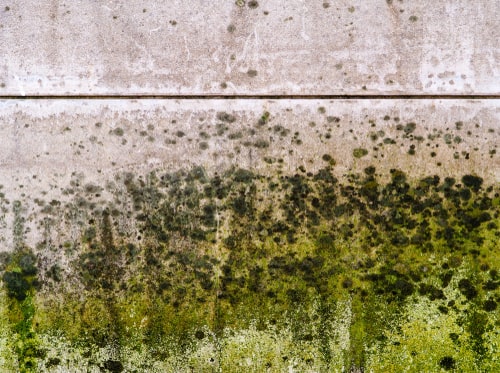
Get Your Free Inspection Quote

Is All Black Mold Toxic?

Is All Black Mold Toxic?

Is All Black Mold Toxic?

You spot a dark, fuzzy patch on your car's carpet, seat, or headliner. Your stomach drops. "Is that black mold?" You've heard the horror stories — health problems, expensive remediation, families displaced from homes. But before you panic, take a breath. The reality of black mold is more nuanced than the headlines, and knowing the difference between scary-looking and genuinely dangerous can save you time, money, and a lot of stress.

Here's the truth: not all black mold is toxic. But that doesn't mean you should ignore it — especially in the confined space of a vehicle.

1
Of many dark molds, only Stachybotrys truly earns "toxic"
TOXINS
Mycotoxins cause harm — the mold itself isn't "toxic"
24–48
Hours of moisture before any mold can take hold

What Is "Black Mold," Exactly?

"Black mold" isn't a single species — it's a general term for any mold that looks dark black or greenish-black. Thousands of mold species exist, and plenty happen to be dark. The one that usually earns the "toxic black mold" title is Stachybotrys chartarum, which thrives in persistently damp, cellulose-rich materials. The catch: you can't tell Stachybotrys apart from a dozen other dark molds just by looking — which is exactly why color alone doesn't tell you whether mold is dangerous.

Toxic vs. Non-Toxic: the Real Difference

The mold isn't toxic — what it can produce is

"Toxic mold" is a bit of a misnomer. Certain species produce chemical compounds called mycotoxins, and those cause the harm. Think of a bee versus bee venom: the bee itself isn't the danger; it's what it can produce under the right circumstances. And even species that produce no mycotoxins can still trigger allergies and respiratory irritation — so "non-toxic" never means "harmless."

Common Black Mold Species: a Closer Look

The dark-colored molds you're most likely to encounter — in a home or a car:

⚠️ STACHYBOTRYS CHARTARUM

Most Toxic

The one people mean by "toxic black mold." Slimy and dark greenish-black, it loves long-wet, cellulose-rich material — in a car, that's soaked carpet backing and padding from a chronic leak. It's relatively rare, but it's the real concern because it can produce trichothecene mycotoxins. Here's the full breakdown on Stachybotrys.

ASPERGILLUS NIGER

Common and black to dark brown, found on AC units, damp surfaces, and food left to rot in the car. Generally lower-risk than Stachybotrys, but it can cause aspergillosis — a lung infection — in people with weakened immune systems. The World Health Organization classifies certain Aspergillus species as opportunistic pathogens.

CLADOSPORIUM

One of the most common molds in the world, olive-green to black, and able to grow in warm or cold conditions — window seals, under trim, around vents. Non-toxic in the traditional sense, but a well-documented trigger for allergies and asthma, especially in children.

ALTERNARIA

Dark and velvety, one of the most prevalent outdoor molds that also thrives indoors and in damp car interiors. Like Cladosporium it's a major allergen that can worsen respiratory conditions — but it doesn't produce mycotoxins.

Who Is Most at Risk?

Exposure to black mold — whatever the species — can cause persistent coughing or wheezing, nasal congestion, itchy or watery eyes, skin irritation, headaches, and fatigue. Severity depends on the mold type, the spore or mycotoxin concentration, how long you're exposed, and your own health. Some people are considerably more vulnerable:

Higher-risk individuals: children and infants; elderly adults; people with asthma or chronic respiratory conditions; and anyone with a weakened immune system — for example, those undergoing chemotherapy, organ-transplant recipients, or people living with HIV/AIDS.

In rare cases of prolonged exposure to Stachybotrys at high mycotoxin levels, more serious neurological symptoms — memory issues, mood changes, trouble concentrating — have been reported, though the American Academy of Allergy, Asthma & Immunology notes that a direct causal link remains an area of ongoing research. Either way, it's worth taking seriously in a space you breathe in every day.

How to Identify Black Mold in Your Car

1
Look for visible growth. Check moisture-prone spots: carpet and floor mats (under seats and in the trunk), seat seams, the headliner, and around AC vents and door sills. Slimy or powdery dark patches warrant a closer look.
2
Trust your nose. A persistent musty, earthy odor — even with nothing visible — is a strong sign of hidden growth under the carpet or inside the HVAC.
3
Find the moisture source. Mold doesn't appear randomly. If you spot dark growth, look for what's feeding it — a leak at a sunroof drain, door seal, or AC drain, or past water damage.
4
Test, don't guess. Home test kits confirm that spores are present but usually can't identify the species. Only a professional inspection with lab analysis tells you whether it's Stachybotrys or something milder — more on detecting car mold here.

Prevention: Stop It Before It Starts

  • Fix leaks fast. The EPA recommends addressing water within 24–48 hours — the same window that decides whether mold colonizes your car.
  • Dry thoroughly after any water event. Don't just blot the surface; the padding underneath holds moisture — dry it right.
  • Keep the AC drain clear so condensation exits the car instead of pooling under the dash.
  • Never leave wet items inside — towels, umbrellas, and gym bags create ideal conditions.
  • Inspect leak-prone spots seasonally — sunroof drains, door seals, and window channels, especially before rainy months.

When to Call a Professional

For a home, the EPA suggests calling a pro once mold covers more than about 10 square feet. But a car isn't a house.

REALITY: in a vehicle that square-footage math flips. The cabin is tiny, you breathe recirculated air, and the worst growth hides in porous carpet padding and ductwork you can't clean by hand. Even a small patch in a car warrants professional assessment far sooner than the same patch on a basement wall.

When it's time for real remediation, the specialists at Car Mold Guys identify the source, contain the area, remove contaminated padding, treat with chlorine dioxide (not ozone, which degrades your seals), purge the ventilation system with a fresh MERV 13-grade cabin filter, and verify the result — all aligned to the ANSI/IICRC S520 standard.

Frequently Asked Questions

Can black mold harm you?
In most healthy adults it causes discomfort and illness but is rarely life-threatening. In immunocompromised people, severe exposure can lead to serious infections that need treatment.

How do I know if it's the toxic kind?
You can't tell by sight. A professional test with lab analysis is the only reliable way to confirm Stachybotrys versus a milder species.

Can I remove it myself?
A small patch on a non-porous surface (hard trim, a tile) can be cleaned with proper protective gear. But car carpet, foam, and headliner are porous — those call for removal and remediation, not surface cleaning.

Does bleach kill black mold?
Bleach handles surface mold on non-porous materials, but it doesn't penetrate porous carpet backing or foam where the roots grow. There, removal and replacement — not cleaning — is what actually works.

The Bottom Line

Not all black mold is toxic — but all mold deserves your attention. Whether it's a benign Cladosporium colony or a genuine Stachybotrys problem, the right response is the same: find the moisture source, assess how far it's spread, and act. In the tight, recirculated air of a vehicle, skip the guesswork — a professional inspection from Car Mold Guys gives you certainty, and that peace of mind is worth far more than a DIY kit that leaves you with more questions than answers. Our FAQ is a good next step.

Not Sure What's Growing in Your Car?

Don't guess — and don't disturb it. As the country's only company dedicated entirely to vehicle mold remediation, the specialists at Car Mold Guys identify what you're dealing with, remove it at the source, treat with chlorine dioxide, purge the ventilation, and verify the air you breathe — mobile to your door, backed by a 90-day warranty across GA, SC, NC, TN, FL, and AL.

Get Your Free Assessment

Sources: EPA Mold & Moisture Guide · WHO Dampness & Mould · AAAAI

Call Today!