
Is There Mold in Your Car? Here's Why You Can't Afford to Ignore It
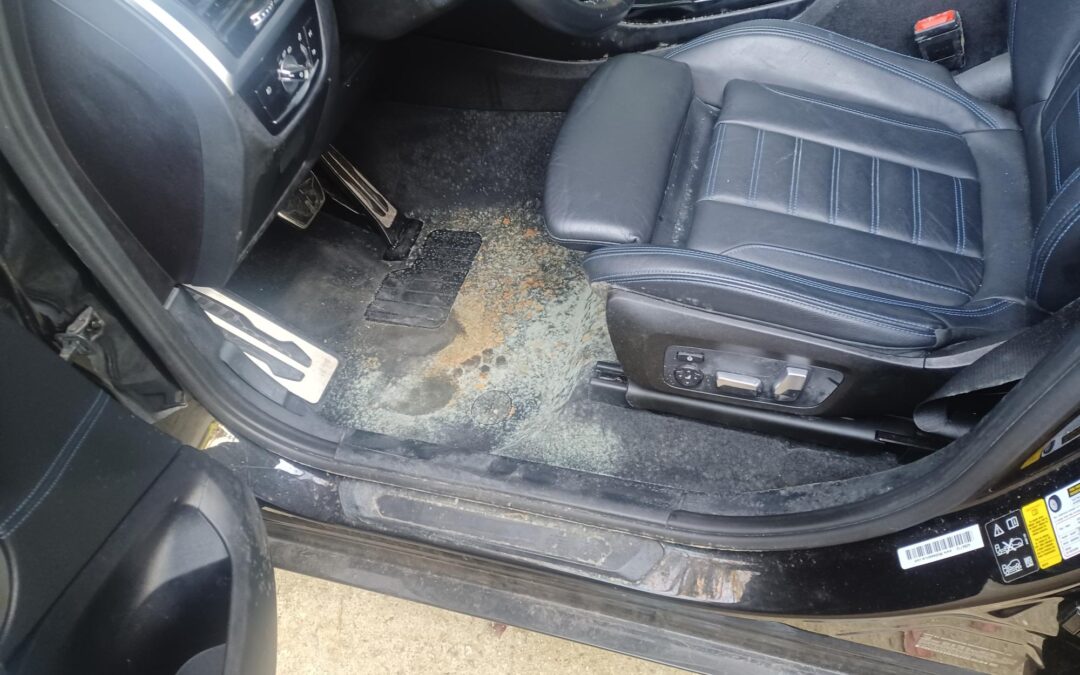
Mold doesn't need much of an invitation. A little moisture, a forgotten coffee spill, a leaky window seal — and within 24 to 48 hours, mold spores can take hold inside your vehicle. What starts as a faint musty smell can quickly turn into a full-blown health hazard that affects everyone who rides in your car.
If you've noticed an unusual odor, visible dark spots on your seats or carpet, or you're sneezing every time you get behind the wheel — this article is for you.
Why Car Mold Is More Dangerous Than You Think
Car mold is just as serious as house mold — and in many ways, it's worse. The risks are amplified by three factors that most people never consider:
A small, sealed cabin concentrates spores in a fraction of the air volume you'd have in any room of a house.
A ventilation system that blows directly on occupants, delivering whatever is growing in it straight to your face.
Road vibration shakes spores loose and keeps them suspended in the air you're breathing for the whole drive.
Most people assume mold is just an aesthetic problem — something unsightly but harmless. That's a costly misconception. Car mold is a biological contaminant that thrives in the enclosed, often poorly ventilated space of a vehicle. Because you're sealed inside with it every time you drive, your exposure is concentrated and repeated.
The Health Risks of Car Mold Exposure
According to the Centers for Disease Control and Prevention (CDC), mold exposure can cause a wide range of health issues, particularly affecting the respiratory system. Inside a car, those risks are amplified because you're breathing in a closed environment with limited airflow.
- Chronic coughing and sneezing
- Watery, itchy eyes
- Throat irritation and nasal congestion
- Skin rashes or irritation
- Headaches and fatigue
- Worsening asthma or allergy symptoms
For people with compromised immune systems, existing respiratory conditions, or mold allergies, the consequences can be severe. The American College of Allergy, Asthma & Immunology (ACAAI) notes that mold allergies can trigger asthma attacks, and prolonged exposure can lead to hypersensitivity pneumonitis — a serious lung condition that can be mistaken for pneumonia. Our guides to symptoms of mold exposure and how mold affects the respiratory system go deeper on both.
Bottom line: If you're driving with mold in your car daily, you're not just uncomfortable — you're putting your health at real risk every single trip.
How Mold Damages Your Vehicle
Beyond your health, mold causes serious physical damage to your car's interior. Mold produces enzymes that break down organic materials — and your car's interior is full of them: fabric seats, carpet, foam padding, leather, and even the headliner.
- Permanently stain and deteriorate upholstery and carpet
- Break down foam padding inside seats
- Corrode metal components beneath carpet and floor mats
- Compromise the structural integrity of interior panels
- Infiltrate your HVAC system, spreading spores every time you use your heat or A/C
Once mold gets into your car's ventilation system, it circulates throughout the entire cabin every time you turn on the air. This is one of the most dangerous — and overlooked — aspects of car mold contamination.
The Impact on Your Vehicle's Value
Thinking about selling your car? Mold is one of the fastest ways to destroy resale value. Even if the mold is removed, lingering odors and visible staining can be a dealbreaker for buyers. Carfax and vehicle inspection services increasingly flag odor and interior damage, and a moldy car on a dealer lot — or in a private sale — is a car that sits unsold.
According to Kelley Blue Book, interior condition is one of the top factors that affects used car value. Mold damage can reduce a vehicle's market value by hundreds or even thousands of dollars depending on severity.
Investing in professional mold remediation early isn't just about health — it's about protecting a major financial asset. If you're pursuing a claim, our guide to documenting car mold for insurance walks through the process.
Where Does Car Mold Come From?
Understanding the source helps prevent recurrence. The most common causes of car mold include:
- Wet carpets from tracked-in rain or flooding
- Spilled drinks or food left to sit in warm conditions
- Leaking windows, sunroofs, or door seals
- Leaving windows down during rain
- Condensation buildup in humid climates (especially in the South)
- A/C systems that collect moisture and don't dry properly
The Southeast's hot, humid summers create the perfect breeding ground for mold growth. Vehicles parked in garages or shaded areas with poor ventilation are especially vulnerable.
DIY vs. Professional Mold Removal: What's the Difference?
You'll find plenty of tutorials online for removing car mold with vinegar, bleach, or baking soda. While these methods can address minor surface mold, they almost never eliminate the problem completely. Here's why:
- Mold roots (hyphae) penetrate deep into porous materials — foam, carpet backing, and fabric — where surface sprays can't reach
- Improper treatment can spread spores to unaffected areas, making the problem worse
- Odors return because the underlying biological contamination wasn't fully addressed
- No post-treatment verification means you're guessing, not knowing
A professional auto mold remediation service uses HEPA-filtered equipment, EPA-registered antimicrobials, and containment protocols to ensure complete removal. Post-treatment testing confirms the mold is gone — not just masked.
The EPA's guidelines on mold remediation emphasize that porous materials with significant mold growth typically need to be removed and replaced — not just cleaned — to achieve lasting results. That's exactly how Car Mold Guys works, to the ANSI/IICRC S520 standard: leak repair, contaminated padding removal, full drying, chlorine dioxide gas treatment rather than ozone, a professional HVAC purge, a MERV 13 cabin filter, encapsulation as the final step, and verification that the interior is genuinely clear.
Signs You Need Professional Car Mold Remediation
Don't wait until the problem is severe. Contact a professional if you notice:
Take Action Before Mold Takes Over
Car mold isn't a problem that resolves on its own — it spreads. Every day you wait is another day the contamination grows deeper into your vehicle's materials and your lungs. If you suspect mold in your vehicle, don't guess — get it handled by a specialist. Not sure yet? Start with our guide to detecting mold in a car.
Frequently Asked Questions About Car Mold
Can car mold make you sick?
Yes. Mold exposure in a vehicle can cause respiratory issues, allergic reactions, headaches, and in severe cases, serious lung conditions — especially with repeated daily exposure.
How long does it take for mold to grow in a car?
Under the right conditions (warmth and moisture), mold can begin growing within 24–48 hours of water intrusion. Our mold growth timeline breaks down what happens hour by hour.
Is car mold covered by insurance?
In some cases, yes. If mold resulted from a covered event like flooding, your comprehensive auto insurance may cover remediation. Check with your provider.
Can I remove car mold myself?
DIY methods can address very minor surface mold, but professional remediation is recommended for any significant growth to ensure complete removal and prevent regrowth.
At Car Mold Guys we use professional-grade equipment and proven remediation protocols to fully eliminate mold from your vehicle's interior — and keep it gone. Leak repair, contaminated padding removal, chlorine dioxide treatment, HVAC purge, MERV 13 cabin filter, and final-step encapsulation, all verified. 100% mobile across Georgia, South Carolina, North Carolina, Tennessee, Florida, and Alabama, backed by a 90-day warranty.