
Is All Black Mold Toxic?
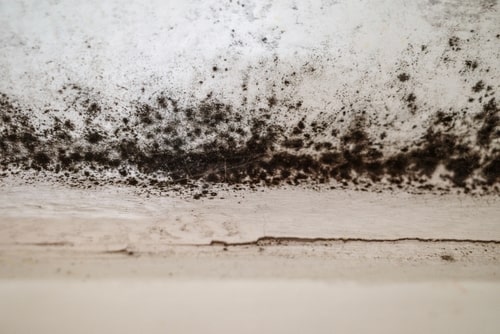
You spot a dark, fuzzy patch on your car's carpet, seat, or headliner. Your stomach drops. “Is that black mold?” You've heard the horror stories — health problems, expensive remediation, families displaced from homes. But before you panic, take a breath. The reality of black mold is more nuanced than the headlines, and knowing the difference between scary-looking and genuinely dangerous can save you time, money, and a lot of stress.
Here's the truth: not all black mold is toxic. But that doesn't mean you should ignore it — especially in the confined space of a vehicle.
What Is “Black Mold,” Exactly?
“Black mold” isn't a single species — it's a general term for any mold that looks dark black or greenish-black. Thousands of mold species exist, and plenty happen to be dark. The one that usually earns the “toxic black mold” title is Stachybotrys chartarum, which thrives in persistently damp, cellulose-rich materials. The catch: you can't tell Stachybotrys apart from a dozen other dark molds just by looking — which is exactly why color alone doesn't tell you whether mold is dangerous.
Toxic vs. Non-Toxic: the Real Difference
“Toxic mold” is a bit of a misnomer. Certain species produce chemical compounds called mycotoxins, and those cause the harm. Think of a bee versus bee venom: the bee itself isn't the danger; it's what it can produce under the right circumstances. And even species that produce no mycotoxins can still trigger allergies and respiratory irritation — so “non-toxic” never means “harmless.”
Common Black Mold Species: a Closer Look
The dark-colored molds you're most likely to encounter — in a home or a car:
Who Is Most at Risk?
Exposure to black mold — whatever the species — can cause persistent coughing or wheezing, nasal congestion, itchy or watery eyes, skin irritation, headaches, and fatigue. Severity depends on the mold type, the spore or mycotoxin concentration, how long you're exposed, and your own health. Some people are considerably more vulnerable:
Higher-risk individuals: children and infants; elderly adults; people with asthma or chronic respiratory conditions; and anyone with a weakened immune system — for example, those undergoing chemotherapy, organ-transplant recipients, or people living with HIV/AIDS.
In rare cases of prolonged exposure to Stachybotrys at high mycotoxin levels, more serious neurological symptoms — memory issues, mood changes, trouble concentrating — have been reported, though a direct causal link remains an area of ongoing research. What is well established is that mold is a common allergy and asthma trigger. Either way, it's worth taking seriously in a space you breathe in every day.
How to Identify Black Mold in Your Car
|
1
|
Look for visible growth
Check moisture-prone spots: carpet and floor mats (under seats and in the trunk), seat seams, the headliner, and around AC vents and door sills. Slimy or powdery dark patches warrant a closer look. |
|
2
|
Trust your nose
A persistent musty, earthy odor — even with nothing visible — is a strong sign of hidden growth under the carpet or inside the HVAC. |
|
3
|
Find the moisture source
Mold doesn't appear randomly. If you spot dark growth, look for what's feeding it — a leak at a sunroof drain, door seal, or AC drain, or past water damage. |
|
4
|
Test, don't guess
Home test kits confirm that spores are present but usually can't identify the species. Only a professional inspection with lab analysis tells you whether it's Stachybotrys or something milder — more on detecting car mold here. |
Prevention: Stop It Before It Starts
- Fix leaks fast. EPA guidance is to address water within 24–48 hours — the same window that decides whether mold colonizes your car.
- Dry thoroughly after any water event. Don't just blot the surface; the padding underneath holds moisture — dry it right.
- Keep the AC drain clear so condensation exits the car instead of pooling under the dash.
- Never leave wet items inside — towels, umbrellas, and gym bags create ideal conditions.
- Inspect leak-prone spots seasonally — sunroof drains, door seals, and window channels, especially before rainy months.
When to Call a Professional
For a home, the EPA suggests calling a pro once mold covers more than about 10 square feet. But a car isn't a house.
REALITY: in a vehicle that square-footage math flips. The cabin is tiny, you breathe recirculated air, and the worst growth hides in porous carpet padding and ductwork you can't clean by hand. Even a small patch in a car warrants professional assessment far sooner than the same patch on a basement wall.
When it's time for real remediation, the specialists at Car Mold Guys identify the source, contain the area, remove contaminated padding, treat with chlorine dioxide (not ozone, which degrades your seals), purge the ventilation system with a fresh MERV 13-grade cabin filter, and verify the result — all aligned to the ANSI/IICRC S520 standard.
Frequently Asked Questions
Can black mold harm you?
In most healthy adults it causes discomfort and illness but is rarely life-threatening. In immunocompromised people, severe exposure can lead to serious infections that need treatment.
How do I know if it's the toxic kind?
You can't tell by sight. A professional test with lab analysis is the only reliable way to confirm Stachybotrys versus a milder species.
Can I remove it myself?
A small patch on a non-porous surface (hard trim, a tile) can be cleaned with proper protective gear. But car carpet, foam, and headliner are porous — those call for removal and remediation, not surface cleaning.
Does bleach kill black mold?
Bleach handles surface mold on non-porous materials, but it doesn't penetrate porous carpet backing or foam where the roots grow. There, removal and replacement — not cleaning — is what actually works.
The Bottom Line
Not all black mold is toxic — but all mold deserves your attention. Whether it's a benign Cladosporium colony or a genuine Stachybotrys problem, the right response is the same: find the moisture source, assess how far it's spread, and act. In the tight, recirculated air of a vehicle, skip the guesswork — a professional inspection from Car Mold Guys gives you certainty, and that peace of mind is worth far more than a DIY kit that leaves you with more questions than answers. Our FAQ is a good next step.
Not sure what's growing in your car?
Don't guess — and don't disturb it. As the country's only company dedicated entirely to vehicle mold remediation, the specialists at Car Mold Guys identify what you're dealing with, remove it at the source, treat with chlorine dioxide, purge the ventilation, and verify the air you breathe — mobile to your door, backed by a 90-day warranty across Georgia, South Carolina, North Carolina, Tennessee, Florida and Alabama.