
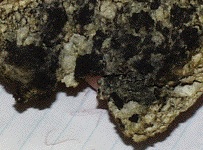

Black Mold in Your Car: Everything You Need to Know About Stachybotrys
The slow grower that digs in deep — and the one species where DIY is genuinely the wrong answer.
If you've ever noticed a dark, slimy patch growing on your car's seats, carpet, or headliner — and that musty smell just won't quit — you may be dealing with one of the most notorious molds on the planet: Stachybotrys chartarum, better known as black mold. This isn't a problem you can spray with an air freshener and forget. Left untreated, toxic black mold in your car can put your health at serious risk every single time you turn the key.
In this guide, we're breaking down exactly what Stachybotrys is, why it thrives in vehicles, what it can do to your body, and — most importantly — what you should do if you find it in your car. If you are not yet sure which species you are looking at, our guide to the types of mold found in cars covers all six of the common ones side by side.
What Is Stachybotrys Chartarum (Black Mold)?
Stachybotrys is a genus of filamentous fungi — the scientific name for a group of molds that grow in long thread-like structures called hyphae. The most infamous member of the family is Stachybotrys chartarum, the species that earned the nickname “toxic black mold” due to its characteristic dark greenish-black color and its ability to produce dangerous compounds called mycotoxins.
According to the CDC, Stachybotrys chartarum is commonly found in homes and buildings that have experienced water damage or persistent moisture problems. The same is absolutely true for vehicles — and cars may actually be worse environments than homes because of how enclosed and poorly ventilated they are.
Unlike many common household molds, Stachybotrys is a slow grower. It doesn't colonize fast, but when it does take hold, it digs in deep — literally growing into the fibers of your carpet, the padding beneath your seats, and even the foam inside your headliner. By the time you can see it, a significant colony may already be established beneath the surface. It is worth knowing that not every black mold is Stachybotrys — color alone is not an identification.
Why Does Black Mold Love Your Car?
Your vehicle is essentially the perfect environment for Stachybotrys growth. Four reasons, and they compound one another.
Stachybotrys thrives on materials rich in cellulose, including paper, wood, and natural fibers. Your car's interior is loaded with them — the jute backing under your carpet, pressed wood trim panels, fabric seat covers, and headliner material all provide an ideal food source.
A leaky sunroof seal, a cracked door weatherstrip, a clogged AC drain line, or a single forgotten wet umbrella on the floorboard can introduce enough moisture to kick-start growth. Vehicles trap humidity better than most spaces. Per EPA mold guidance, mold needs only 24–48 hours of moisture to begin colonizing a new surface.
Cars sit parked for hours or days at a time. Without active airflow, moisture has nowhere to escape, and relative humidity inside the cabin can spike dramatically — especially in humid Southeastern climates. That combination of warmth, humidity, and organic material is Stachybotrys's dream home.
Flash flooding, heavy rain, or even a car wash with a bad window seal can introduce significant water intrusion. When interior materials get wet and aren't dried quickly and thoroughly, black mold can take root within days.
Health Risks: What Toxic Black Mold Can Do to You
This is the part of the conversation that gets serious. Stachybotrys produces trichothecene mycotoxins — secondary metabolites that are among the most studied and potentially harmful compounds produced by any mold species. Published research hosted by the National Library of Medicine documents the toxicological mechanisms behind mycotoxin exposure in detail.
Here's what exposure to black mold — especially in the enclosed space of a vehicle — can cause.
- Nasal and sinus congestion
- Sneezing and runny nose
- Persistent cough or throat irritation
- Skin irritation or rash
- Watery, itchy, or red eyes
- Headaches that worsen during or after driving
- Fatigue and general malaise
In people with weakened immune systems, respiratory conditions like asthma, or prolonged daily exposure, the effects can escalate significantly:
- Chronic respiratory issues — persistent bronchitis, wheezing, shortness of breath
- Neurological symptoms — memory problems, difficulty concentrating, mood changes
- Pulmonary hemorrhage — in extreme cases, particularly concerning in young children
- Organ damage — prolonged mycotoxin ingestion or inhalation has been linked to liver and kidney stress in animal studies
Mold is also a well-established trigger for allergic asthma, and it's worth noting that the degree of risk varies significantly based on the individual's health, the extent of colonization, and how much time they spend in the affected vehicle. A delivery driver spending eight hours a day in a mold-infested van faces a very different risk profile than someone who commutes twenty minutes twice a day.
“If you've been experiencing unexplained headaches, brain fog, or respiratory symptoms that seem to ease when you're out of your car, do not ignore that pattern. It's your body telling you something is wrong.”
How to Identify Black Mold in Your Car
You don't need a lab to spot the warning signs. Our full guide to detecting mold in a car goes deeper, but these four indicators cover most cases.
- Visual inspection. Look for dark green, black, or grayish patches on seats, carpeting, the trunk liner, under floor mats, and around window seals and the headliner. Stachybotrys often has a slimy or wet appearance when active and a powdery texture when dormant.
- Smell. A strong, musty, earthy odor — especially one that hits you the moment you open the door — is one of the most reliable early indicators of mold growth.
- Allergy symptoms that appear only while driving. If your sinuses flare up specifically when you're in your car, mold is a top suspect. See our guide to mold exposure symptoms.
- Water intrusion history. Think back. Has water ever gotten inside your car — from a flood, a leak, a spill that wasn't fully dried? If so, mold is a genuine possibility even if you can't see it yet.
For a definitive identification, professional surface sampling or air quality testing can confirm the species present.
Can You DIY Black Mold Removal in a Car?
Here's the honest answer: not effectively, and not safely.
Consumer products like bleach, vinegar, and over-the-counter mold sprays are not designed to penetrate deep into car carpet backing, seat foam, or headliner material — which is exactly where Stachybotrys lives. Surface treatment may kill what you see while leaving the root system and the mycotoxins fully intact. And because dead mold spores remain harmful, killing the colony is not the same as removing the hazard.
Disturbing a mold colony without proper containment and protective equipment can release a concentrated burst of spores into the cabin air — the exact air you'll be breathing on your next drive. This is the one species where scrubbing at it first genuinely makes the situation worse.
The ANSI/IICRC S520 Standard for professional mold remediation outlines the protocols that properly trained technicians follow — including containment, negative air pressure, HEPA filtration, and post-remediation verification testing. Those standards exist for good reason, and we cover what S520 actually requires in detail.
Professional remediation ensures complete removal of contaminated materials, treatment of underlying surfaces, chlorine dioxide gas treatment to neutralize mycotoxins, HEPA vacuuming and air scrubbing to remove airborne spores, full HVAC decontamination, a fresh MERV 13-grade cabin filter, encapsulation as the final step once removal is verified, and safe contained disposal of all contaminated material. This is also the clearest example of why detailing is not remediation.
How to Prevent Black Mold from Coming Back
Once your vehicle has been professionally remediated, keeping it mold-free is largely about moisture management. The EPA's guidance on moisture control applies to a car cabin as readily as to a house.
- Fix leaks immediately. Sunroof drains, door seals, and windshield gaskets should be inspected and repaired at the first sign of water intrusion.
- Keep your AC drain clear. A clogged evaporator drain is one of the most common causes of mold under the dashboard.
- Use desiccant moisture absorbers in the cabin during humid months.
- Air out your car regularly. On dry days, crack the windows or run the fan on fresh air mode for 10–15 minutes.
- Never leave wet items inside the car — towels, umbrellas, gym bags, or wet clothing create ideal mold conditions.
- Address water damage within 24–48 hours — that's all the head start mold needs.
The Bottom Line
Stachybotrys chartarum is not a mold you can simply ignore or mask with an air freshener. It is a potentially serious health hazard that requires professional assessment and remediation — especially in the confined, enclosed environment of a vehicle where you and your family breathe the same recirculated air day after day.
If you've spotted suspicious growth in your car, noticed an unexplained musty odor, or experienced health symptoms that clear up when you're out of the vehicle, don't wait. Get it assessed by a certified mold remediation specialist.
Think you've found black mold? Don't touch it — call us.
Car Mold Guys specializes exclusively in professional vehicle mold remediation, aligned to the ANSI/IICRC S520 standard: moisture source identification and leak repair, contaminated padding removal, full drying, HEPA extraction, chlorine dioxide gas treatment, professional HVAC purge, a MERV 13 cabin filter, and final-step encapsulation once removal is verified complete. 100% mobile across Georgia, South Carolina, North Carolina, Tennessee, Florida and Alabama, backed by a 90-day warranty.