Air quality index

Air quality index

Air Quality Index

The Air Quality Index (AQI) is a numerical scale used to communicate the quality of the air to the public. It is measured by assessing the levels of specific air pollutants in the atmosphere, such as ground-level ozone, particulate matter, carbon monoxide, sulfur dioxide, and nitrogen dioxide. The AQI scale typically ranges from 0 to 500, with higher values indicating worse air quality.

To measure the AQI, monitoring stations collect data on these pollutant levels, usually on an hourly basis. The concentration of each pollutant is then converted to an individual AQI value using a standardized formula, which takes into account the pollutant’s health effects at various concentrations. The highest individual AQI value among the pollutants measured at a given location becomes the overall AQI for that area.

Six Categories of Air Quality

The AQI is divided into six color-coded categories, each representing a different level of health concern:

  1. Good (0-50): Air quality is considered satisfactory, and air pollution poses little or no risk.
  2. Moderate (51-100): Air quality is acceptable; however, there may be a moderate health concern for a very small number of people who are unusually sensitive to air pollution.
  3. Unhealthy for Sensitive Groups (101-150): Members of sensitive groups, such as children, older adults, and people with respiratory or heart issues, may experience health effects. The general public is not likely to be affected.
  4. Unhealthy (151-200): Everyone may begin to experience health effects, and members of sensitive groups may experience more serious health effects.
  5. Very Unhealthy (201-300): Health alert, meaning everyone may experience more serious health effects.
  6. Hazardous (301-500): Health warnings of emergency conditions, as the entire population is more likely to be affected.

Various organizations and government agencies around the world have their own AQI systems, which might have slight differences in pollutant concentrations, breakpoints, and categories. However, the general concept and purpose remain the same – to inform the public about the air quality and any associated health risks.


Ways to Improve the Interior Air Quality of Your Vehicle

Ways to Improve the Interior Air Quality of Your Vehicle

Ways to Improve the Interior Air Quality of Your Vehicle

The air quality inside your vehicle can have a significant impact on your comfort and health, especially during long commutes or road trips. Poor air quality can result from accumulated dust, odors, and harmful pollutants. Here are some practical tips to enhance the air you breathe inside your car:

1. Regular Cleaning

  • Vacuum Frequently: Dust, dirt, and debris can accumulate in carpets, seats, and crevices. Use a vacuum cleaner with attachments to reach every corner.
  • Clean Upholstery: Wipe down leather seats with appropriate cleaners and wash fabric covers periodically.
  • Disinfect Surfaces: High-touch areas like steering wheels, gear shifts, and door handles should be cleaned with disinfectant wipes or sprays to eliminate bacteria and germs.

2. Replace Cabin Air Filters

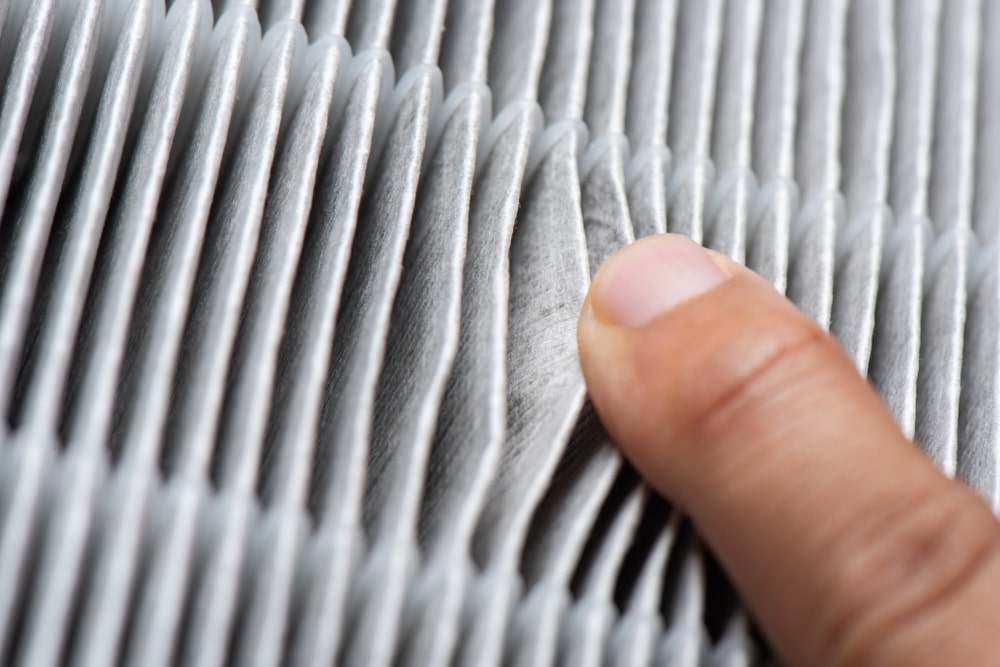
The cabin air filter traps dust, pollen, and other pollutants, ensuring clean air circulation. Follow your vehicle’s maintenance schedule to replace it regularly, usually every 12,000 to 15,000 miles or as recommended by the manufacturer.

3. Use Air Purifiers or Ionizers

Portable car air purifiers and ionizers can effectively remove allergens, bacteria, and odors. Look for devices with HEPA filters for maximum efficiency.

4. Avoid Smoking in the Car

Smoking releases harmful chemicals that linger in the interior for a long time. Avoid smoking in the vehicle to prevent toxic residues and odors from accumulating.

5. Ventilate Regularly

  • Open Windows: Allow fresh air to circulate by opening windows periodically, especially after starting the car.
  • Use Recirculation Sparingly: While recirculating air can be useful in certain conditions, it’s important to let fresh air in to prevent stale air from building up.

6. Address Odors Promptly

  • Deodorize: Use natural odor absorbers like activated charcoal or baking soda to neutralize bad smells.
  • Identify Sources: Remove any potential sources of odors, such as leftover food, damp items, or garbage.

7. Avoid Overloading with Fragrances

While air fresheners can mask unpleasant smells, they often introduce synthetic chemicals that can affect sensitive individuals. Opt for mild, natural fragrances or avoid them altogether.

8. Prevent Mold and Mildew

  • Dry Wet Areas: Moisture from spills or wet clothing can lead to mold growth. Use towels and keep windows slightly open in safe conditions to let moisture escape.
  • Check for Leaks: Inspect seals and weather stripping to prevent water from seeping into the cabin.

9. Maintain the HVAC System

Ensure your heating, ventilation, and air conditioning system is functioning properly. A clean and well-maintained HVAC system can significantly improve air quality.

10. Park Smart

  • Shade Parking: Avoid parking in areas with high pollution, such as busy streets or industrial zones.
  • Windows Up: Keep windows closed in dusty or high-pollution areas to minimize pollutant entry.

Improving your vehicle’s air quality doesn’t have to be complicated. By incorporating these practices into your routine, you can enjoy a healthier and more pleasant driving experience.


Why air quality is often worse inside of a car than outside of a car

Why air quality is often worse inside of a car than outside of a car

The air quality inside a car is often worse than the air quality outside, and there are several reasons for this:

  1. Recirculation of Pollutants:
    • Cars take in emissions from surrounding vehicles and recirculate them within the cabin.
    • Because vehicles are not built to be completely airtight, pollutants can enter the car through air vents and other openings.
  2. Higher Concentrations of Pollutants:
    • Roadway concentrations of vehicle-related pollutants are typically several times higher than ambient (outdoor) concentrations.
    • Levels of some pollutants and toxic compounds can be nine to twelve times higher inside vehicles than alongside the road.
  3. Composition of Vehicle Exhaust:
    • Vehicle exhaust contains dangerous pollutants, including:
      • Nitrogen dioxide (NO₂): A harsh-smelling gas that can cause breathing problems, lung irritation, and lower resistance to respiratory infections.
      • Ozone (O₃): Toxic at ground level, it is a major lung irritant and a component of smog.
      • Carbon monoxide (CO): A colorless, odorless, poisonous gas that can cause dizziness, fatigue, and confusion.
  4. Increased Time Spent in Cars:
    • Globally, time spent on the road is increasing due to factors like urbanization and traffic congestion.
    • As traffic worsens, both vehicle interior and outdoor pollution concentrations rise.

In summary, the air inside a car is worse due to pollutant recirculation, higher concentrations, and the composition of vehicle exhaust. It’s essential to maintain good air quality inside your vehicle for your health and well-being

Automobile Air Quality: The Importance of a Good Air Filter in a Car

Automobile Air Quality: The Importance of a Good Air Filter in a Car

Imagine you’re driving down a scenic route with your family, the sun shining and a cool breeze flowing through the open windows. Suddenly, you hit a cloud of dust from a nearby construction site. Instinctively, you close the windows, but the air inside the car still feels stuffy and unpleasant.

Have you ever wondered how much of that dust and pollution is being filtered out before it reaches your lungs? The answer lies in your car’s air filter. Just as we rely on clean air to breathe easily at home or work, the air quality inside your vehicle is crucial for your health and comfort.

But what are some of the other benefits?

Let’s go through the importance of a good air filter in a car.

Protect Respiratory Health

One of the top car air filter benefits that you shouldn’t neglect is how it can help your health.

As you drive, the air inside your car’s cabin can be infiltrated by a variety of airborne pollutants. That includes dust, pollen, mold spores, and other microscopic particles.

These contaminants can exacerbate allergies, asthma, and other respiratory conditions. That makes driving an uncomfortable and potentially harmful experience for many people.

A high-quality air filter is designed to trap these particles before they enter the cabin, significantly reducing your exposure to allergens and pollutants. By maintaining a clean air filter, you create a healthier environment within your vehicle, which is especially crucial for individuals with pre-existing respiratory issues.

Good air quality can majorly lower the risk of developing respiratory problems over time, providing long-term health benefits for you and your passengers.

Cut Down on Allergens

Common allergens like plant pollen, dust mites, and pet dander can quickly make their way into your car, especially during certain seasons or if you frequently drive with the windows down.

These allergens can cause annoying allergic reactions, with symptoms like sneezing, runny nose, itchy eyes, and coughing, which can be particularly problematic for those with seasonal allergies or chronic respiratory conditions.

For drivers who suffer from allergies, the benefits are immediate and noticeable. Driving becomes less of a chore and more of a pleasant experience when you’re not constantly dealing with allergy symptoms.

This improved air quality can make a significant difference on longer trips, reducing the cumulative exposure to allergens and enhancing overall comfort.

An efficient air filter also helps to minimize the spread of allergens between passengers. If you frequently transport pets or have passengers with different allergy sensitivities, a good air filter ensures that everyone can enjoy a cleaner, healthier ride.

Ongoing maintenance and quick replacement of your car’s air filter are key to keeping allergens at bay and ensuring the best air quality possible for all occupants.

Get Rid of Bad Smells

Car odors can also be a concern. Driving with lingering smells from outside pollutants, such as exhaust fumes, industrial emissions, or even natural scents like skunk spray, can make any journey uncomfortable.

These odors can seep into the cabin and persist. That creates an unpleasant environment for you and your passengers.

Activated carbon air filters are particularly effective in neutralizing these bad smells. Unlike regular filters that only trap particles, activated carbon filters absorb and eliminate odors. That way, the cabin air will be fresh and clean.

This type of filter contains carbon treated with oxygen. This creates a highly porous material capable of capturing gaseous pollutants and smells.

Common sources of interior odors include food spills, pet smells, and even cigarette smoke.

Over time, these odors can become embedded in the upholstery and ventilation system, making them difficult to eradicate. An efficient air filter helps to mitigate these smells by continually filtering the air and trapping odor-causing particles.

Improved HVAC Efficiency

When your car’s air filter gets stuffed up clogged with debris, it restricts airflow, forcing the HVAC system to have to work harder to spread air throughout the vehicle.

This increased strain can increase your general higher energy consumption and reduced system performance.

A good air filter ensures that the HVAC system operates efficiently by allowing unobstructed airflow. This improves the system’s ability to maintain a comfortable temperature inside the cabin. It also enhances its capacity to filter and purify the air.

With a clean air filter, the HVAC system can effectively remove airborne particles, providing cleaner, healthier air for you and your passengers.

Better Fuel Efficiency

A good air filter ensures that the HVAC system operates efficiently by allowing unobstructed airflow. This not only improves the system’s ability to keep up a comfortable temperature inside the cabin but also enhances its capacity to filter and purify the air.

With a clean air filter, the HVAC system can effectively remove airborne particles, providing cleaner, healthier air for you and your passengers.

Keep Your Engine Safe

Did you know that better car air quality can help your engine work better?

The engine air filter plays a vital role in preventing harmful contaminants from entering the engine. Dust, dirt, sand, and other debris can cause significant damage if they penetrate the engine’s internal components. Over time, these particles can lead to increased wear and tear, reducing the engine’s efficiency and potentially leading to costly repairs.

A high-quality air filter acts as the first line of defense against these contaminants. It traps particles before they can enter the engine, ensuring that only clean air reaches the combustion chamber.

When the engine receives a sufficient supply of clean air, it can mix the air-fuel ratio properly, ensuring efficient combustion. This leads to smoother acceleration, improved power output, and overall better engine responsiveness. 

A dirty air filter restricts airflow, causing the engine to work harder and potentially overheat, which can lead to performance issues and mechanical failures.

More Comfortable

If you want to stay more comfortable while you drive, look into changing out your air filter.

Whether you need to cool down during a hot summer day or warm up on a chilly morning, a well-functioning air filter ensures that your HVAC system delivers the desired temperature quickly and effectively.

A clean air filter reduces the likelihood of fogging up windows. Particles and contaminants can contribute to humidity levels inside the car, causing windows to fog up more easily.

It helps maintain proper airflow and reduces humidity. That ensures clear visibility and a safer, more comfortable driving experience.

The overall ambiance of the vehicle is improved with a clean air filter. Passengers appreciate a fresh and pleasant-smelling cabin, and the reduced presence of dust and allergens makes for a more enjoyable ride.

Whether you are on a short commute or a long road trip, the comfort provided by a clean air filter can make a significant difference.

Choosing the Best Car Air Filters

With various types of air filters available on the market, it’s essential to understand their differences and choose one that best meets your needs.

Paper filters are the most common and cost-effective filters, typically made from pleated paper. They effectively trap large particles and are disposable. However, they may need more frequent replacements than other types.

Foam filters can be cleaned and reused. They offer good filtration for larger particles but may not be as effective at capturing finer particles.

Often used in high-performance vehicles, cotton filters are washable and reusable. They provide excellent filtration and airflow, making them a popular choice for those looking for long-term performance.

HEPA filters are meant to trap super tiny particles, including allergens and pollutants. They offer superior filtration but can be more expensive than other types.

Some filters contain activated carbon to remove odors and gases in addition to particles. They are ideal for drivers who often encounter strong smells, such as exhaust fumes or industrial pollutants.

Car Air Filter Maintenance

Proper maintenance of your car’s air filter is essential for ensuring optimal air quality, engine performance, and overall comfort. Regularly inspecting and replacing your vehicle’s air filter is a simple yet crucial task that can significantly impact your vehicle’s functionality and longevity.

Pay attention to signs that your air filter may need replacement sooner than scheduled. Reduced airflow from the HVAC system, unusual engine noises, decreased fuel efficiency, or persistent odors in the cabin can all indicate a clogged or damaged air filter.

Maintaining a record of your air filter inspections and replacements can help you stay on track with regular maintenance. Note the date and mileage of each inspection or replacement, and set reminders for future checks.

This practice ensures that you never overlook this essential maintenance task, keeping your car in optimal condition.

Addressing these issues promptly can prevent further damage and maintain your vehicle’s performance. Don’t be afraid to bring in some professional help with your air quality maintenance, too!

Enjoy the Benefits of a Good Air Filter in a Car

There are so many reasons you’ll want a good air filter in a car. If you haven’t considered them before, it might be time to get on top of this issue.

Do you want help with your automobile health maintenance? Lonadier’s Mobile Detailing has over a decade of experience with mold remediation, just one more way you can improve automobile air quality.

Contact us 

How AQI is Determined

How AQI is Determined

The Air Quality Index (AQI) is a numerical scale used to communicate how polluted the air currently is or how polluted it is forecast to become. The AQI incorporates multiple air pollutants and provides a single value to represent overall air quality. The specific pollutants considered in the AQI can vary by country, but commonly included pollutants are:

  1. Ground-level ozone (O3)
  2. Particulate matter (PM10 and PM2.5)
  3. Carbon monoxide (CO)
  4. Sulfur dioxide (SO2)
  5. Nitrogen dioxide (NO2)

The AQI is calculated based on the concentration levels of these pollutants. Each pollutant is assigned an individual index value, and the highest of these values is used as the overall AQI for a specific location and time. The AQI is typically reported on a scale from 0 to 500, where higher values indicate poorer air quality.

The general steps for calculating the AQI are as follows:

  1. Measure pollutant concentrations: The concentrations of each relevant pollutant are measured at various monitoring stations.
  2. Determine sub-index values: Each pollutant’s concentration is converted into a sub-index value using a specific formula. These formulas are often nonlinear and are designed to reflect the known health effects of each pollutant.
  3. Choose the highest sub-index: The highest sub-index value among all pollutants is selected as the overall AQI for that location and time.
  4. Interpret the AQI: The AQI is divided into categories or color-coded ranges that correspond to different levels of health concern. These categories typically range from “Good” to “Hazardous,” providing a quick indication of the potential health risks associated with the current air quality.

It’s important to note that different countries may use different AQI systems with variations in the pollutants considered, concentration ranges, and health categories. The AQI is a useful tool for informing the public about air quality and helping individuals take appropriate actions to reduce exposure when air quality is poor.

Car Door Vapor Barrier Repair

Car Door Vapor Barrier Repair

Car Door Vapor Barrier Repair

When fixing a car door vapor barrier leak you have to remove the plastic door trim shell and reseal the outer perimeter of the plastic sheeting which is the vapor barrier. The best way to reseal the plastic vapor barrier is with a butyl cord. I have also used really good weather caulking when I didn’t have cord butyl.

Air Quality Trends for Car Interiors

Air Quality Trends for Car Interiors

When it comes to car interiors, air quality often takes a backseat to features like comfort, aesthetics, and technology. However, in recent years, the conversation around interior air quality has gained traction, thanks to growing awareness of health and environmental concerns. Let’s explore the trends shaping the air quality inside vehicles and why they matter for drivers and passengers alike.

1. The Rise of Advanced Air Filtration Systems

Automakers are increasingly integrating advanced air filtration systems into their vehicles. High-efficiency particulate air (HEPA) filters and multi-layer filtration technologies are becoming standard in many models, especially in electric and premium vehicles. These systems are designed to trap fine particles, allergens, and even bacteria, ensuring cleaner air inside the cabin.

Why it matters: With rising concerns over urban air pollution and allergens, advanced filtration can significantly improve the driving experience, particularly for those with respiratory conditions or allergies.

2. Focus on VOC Reduction

Volatile organic compounds (VOCs) are chemicals emitted by various materials in a car’s interior, such as plastics, adhesives, and upholstery. Over time, automakers have worked to reduce VOC levels through the use of sustainable materials, improved manufacturing processes, and low-emission adhesives.

Why it matters: High VOC levels can lead to unpleasant odors and potential health risks. Reduced VOC emissions contribute to a safer and more pleasant cabin environment.

3. Integration of Air Quality Monitoring Systems

Modern cars increasingly feature built-in air quality sensors that monitor pollutants and automatically adjust air circulation or filtration settings. Some systems even provide real-time updates to drivers via dashboards or mobile apps.

Why it matters: Awareness is the first step to action. With these systems, drivers can better understand and address air quality issues, enhancing comfort and safety.

4. Increased Use of Natural and Sustainable Materials

Eco-friendly materials like bamboo, organic fabrics, and recycled plastics are becoming more common in car interiors. These materials not only reduce environmental impact but also contribute to lower VOC emissions.

Why it matters: As sustainability becomes a key purchasing criterion, using natural materials aligns with consumer values while also promoting better air quality.

5. Adoption of Ionization and UV-C Technology

To combat pathogens and improve air quality, some automakers are incorporating ionization systems and UV-C light technologies. These innovations neutralize bacteria, viruses, and odors, creating a more hygienic cabin.

Why it matters: In a post-pandemic world, cleanliness and hygiene have taken on new importance, making these features highly desirable.

6. Customized Climate Control Zones

Modern climate control systems allow passengers to set individual temperature and air quality preferences. Some vehicles even enable specific filtration levels for different zones within the car.

Why it matters: Personalization enhances passenger comfort and ensures that everyone—from allergy sufferers to temperature-sensitive individuals—can travel in optimal conditions.

The Road Ahead

Air quality inside vehicles is no longer an afterthought. As automakers innovate to meet consumer demands for health, comfort, and sustainability, the interior air environment is becoming a critical aspect of car design. From advanced filtration to sustainable materials, these trends point to a future where every ride is cleaner and healthier.

For drivers and passengers, staying informed about these advancements can help in making smarter vehicle choices and improving overall travel well-being.


Why air quality is often worse inside of a car than outside of a car

What’s the best way to remove mold from a car’s ventilation system

If you’ve detected mold in your car’s ventilation system, follow these steps to effectively eliminate mold and musty odor:

  1. Dry Out the Entire Vehicle:
    • Mold thrives in damp environments, so start by ensuring your vehicle is dry and moisture-free.
    • Park your car in direct sunlight with the windows open to aid in drying.
  2. Protective Gear:
    • Wear eye goggles and gloves to safeguard your health during the cleaning process
  3. Spray Disinfectant Through Vents:
    • Locate the intake vents near the windshield.
    • Spray an antibacterial mold cleaning solution into the vents.
    • Turn on the car’s fan and let the cleaner circulate through the HVAC system for at least 10 minutes.
  4. Wipe Down Surfaces:
    • Use a clean cloth to wipe down surfaces within the air intake vent system.
    • Pay attention to hard-to-reach areas.
  5. Replace the Cabin Air Filter:
    • Install a new cabin air filter to maintain clean air circulation.

Remember, acting promptly is crucial to prevent mold regrowth. Avoid running your car’s AC until the mold has been eliminated.

What defines a HEPA filter

What defines a HEPA filter

What Defines a HEPA Filter?

Air purification technology has advanced dramatically in recent decades, with the HEPA (High Efficiency Particulate Air) filter emerging as a gold standard in the realm of air filtration. At its core, a HEPA filter is designed to capture a high percentage of airborne particles, including many microscopic ones that other filters might miss. However, not all filters that claim to be HEPA are created equal. In this article, we’ll explore the defining characteristics and standards that make a filter truly HEPA.


HEPA filters are not MERV-rated because they exceed the ASHRAE Standard rating system. Informally, however, if HEPA filters were to receive a MERV rating, they would rate roughly at MERV 17 or higher.

MERV 17+ filters are also favored by operating rooms, clean rooms and indoor spaces that require significant air filtration. Again, this upper MERV rating level and HEPA filters are too much for homes and residential spaces. Air filters below MERV 16 are favored for residential use as well as commercial buildings.


HEPA Filter Characteristics


  1. Particle Retention Efficiency:

A genuine HEPA filter must be capable of capturing at least 99.97% of particles 0.3 microns in diameter. This size (0.3 microns) is often cited because it represents the “most penetrating particle size,” which is the most difficult size of particle for filters to capture. This doesn’t mean that HEPA filters can’t capture larger or smaller particles; in fact, they’re often even more efficient at capturing particles that are either larger or smaller than 0.3 microns.

  1. Strict Standards:

The HEPA standard is rooted in regulations. The U.S. Department of Energy (DOE) set the standards for what constitutes a HEPA filter. In Europe, the equivalent standard is set by the European Committee for Standardization (often referred to as EN 1822 for HEPA and ULPA filters).

  1. Material:

Most HEPA filters are composed of a mat of randomly arranged fibers, made primarily from glass. The fibers are typically very thin, with diameters between 0.5 and 2.0 micrometers. The spaces between the fibers are much larger than 0.3 microns, which might seem counterintuitive. However, the manner in which HEPA filters capture particles (discussed below) allows these larger gaps while still ensuring the capture of much smaller particles.

  1. Mechanism of Particle Capture:

There are several mechanisms by which HEPA filters capture particles:

  • Interception: Particles that come within one radius of a fiber will be captured.
  • Impaction: Larger particles are unable to avoid fibers due to their inertia and are thus embedded directly onto fiber surfaces.
  • Diffusion: Small particles, often those below 0.1 microns, move erratically due to air molecules’ collisions, which increases the probability of them getting captured.
  • Electrostatic Attraction: Some HEPA filters are designed to be electrostatically charged, which attracts and captures charged particles.
  1. Construction and Seals:

The effectiveness of a HEPA filter isn’t just about the filter media itself. The design and construction of the filter frame and the sealing process are equally important. If a HEPA filter isn’t properly sealed in its frame, unfiltered air can bypass the filter, reducing the overall efficiency of the air purification system.

  1. Not All “HEPA-like” Filters Are HEPA:

Marketers sometimes use terms like “HEPA-type,” “HEPA-like,” or “99% HEPA” which can be misleading. These filters may not meet the stringent requirements of the true HEPA standard. Always look for certifications or details that confirm the filter’s efficiency and performance.

Conclusion:

HEPA filters offer a high level of particle filtration efficiency, making them ideal choices for environments like hospitals, clean rooms, and households where air quality is of utmost importance. While many filters on the market may claim to be HEPA or HEPA-like, understanding the defining characteristics of a genuine HEPA filter can help consumers make informed decisions about their air purification needs.


Electrostatically Charged Cabin Air Filters are Superior

Electrostatically Charged Cabin Air Filters are Superior

Electrostatically charged air filters are designed to use static electricity to attract and capture airborne particles. Here are some of the advantages of using these filters:

  1. Improved Filtration Efficiency: When fibers in the filter are electrostatically charged, they can attract even smaller particles than they would by simple mechanical filtration. This can include pollutants like dust, pollen, some molds, and pet dander.

  2. Low Airflow Resistance: Despite their improved filtration efficiency, electrostatically charged filters often have lower airflow resistance than other high-efficiency filters. This means that they can capture fine particles without significantly reducing the airflow, which can be crucial in HVAC systems where maintaining good airflow is important.

  3. Energy Savings: Because they don’t impede airflow as much, these filters can contribute to energy savings in HVAC systems. Less resistance means the system doesn’t have to work as hard to push air through

  4. Reduction of Smaller Particles: Electrostatic filters are particularly effective against smaller particles, which are often the most harmful and the hardest to filter out using standard mechanical filters.

  5. Lower Replacement Frequency: Because of their ability to handle a significant amount of particulate matter, some electrostatically charged filters may not need to be replaced as often as non-charged counterparts.

Call Today!