Common water leaks in cars

Common water leaks in cars

Common water leaks in cars:  Water leaks in cars can lead to a variety of issues, from unpleasant odors and mold growth to electrical problems and rust damage. Identifying and addressing these leaks is crucial for maintaining your vehicle’s performance, safety, and longevity. This article will explore the most common leak sources that allow water to get inside cars, as well as provide tips on how to detect and fix these issues.

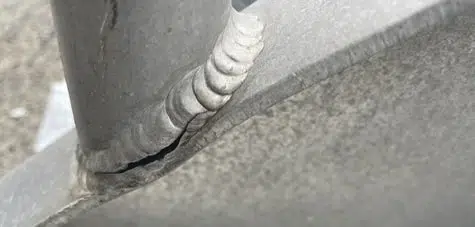
Broken lap welds from accidents.  When a car is in an accident it often results in seam or lap welds being broken.  Unfortunately, broken welds are often missed by body shops during the repair process.  

Door Seals: Door seals are designed to keep water out of your car’s interior. However, they can also wear out, become damaged, or come loose, allowing water to enter the cabin. Inspect the door seals for cracks, gaps, or debris that may prevent them from sealing properly. If you find a damaged seal, replace it or use a weatherstripping adhesive to reattach it.

Sunroof: Sunroofs are a common source of water leaks in cars, especially if they’re not maintained properly. The sunroof’s drain channels can become clogged with debris, causing water to overflow and enter the vehicle. To address this issue, clean the drain channels and ensure they are free of obstructions. Additionally, check the sunroof seal for any signs of wear or damage.

Cowl Area: The cowl area, located at the base of the windshield, is designed to direct water away from the vehicle. However, if the cowl’s drains or the area around them become clogged, water can enter the cabin through the ventilation system. To prevent this, regularly clean the cowl area and ensure the drains are functioning properly.

Tail Light Gaskets: Tail light gaskets can become damaged or wear out over time, allowing water to seep into the trunk or rear cabin area. If you notice water pooling in your trunk or condensation inside your tail lights, inspect the gaskets for damage and replace them if necessary.

Conclusion: Protecting your car from water leaks is essential for maintaining its performance, safety, and resale value. Regular inspections and maintenance can help you identify and address common leak sources, preventing costly damage to your vehicle. Always consult a professional mechanic if you’re unsure about the source of a leak or the best way to repair it.

Sunroof Water Leaks

Sunroof Water Leaks

Water leaks in your car can be a frustrating and potentially damaging problem. One of the most common culprits is a malfunctioning sunroof. While sunroofs add a touch of luxury and openness to your driving experience, they also introduce an area of vulnerability where water can find its way inside your vehicle. In this blog post, we’ll explore the causes, signs, and solutions for car water leaks originating from sunroof issues.

Common Causes of Sunroof Leaks

  1. Clogged Drainage Channels Sunroofs are designed with drainage channels that direct water away from your car’s interior. Over time, debris like leaves, dirt, and pollen can clog these channels, leading to water buildup that eventually leaks into the car.
  2. Damaged or Worn-Out Seals The rubber seals around your sunroof can deteriorate over time due to exposure to UV rays, temperature changes, and general wear and tear. Cracked or brittle seals can allow water to seep through.
  3. Improper Sunroof Alignment If the sunroof is not properly aligned, it may not close completely, leaving small gaps where water can enter.
  4. Faulty Sunroof Mechanism Mechanical issues, such as a broken motor or track, can prevent the sunroof from closing tightly, increasing the risk of leaks.

Signs of a Sunroof Leak

  • Water Stains or Wet Spots: Check for wet spots or water stains on your car’s headliner, seats, or floor mats.

  • Musty Odor: A persistent damp smell inside your car may indicate water infiltration.

  • Dripping Water: Visible drips during or after rain are a clear sign of a problem.

  • Electrical Malfunctions: Water intrusion can affect your car’s electrical components, such as interior lights and sunroof controls.

How to Fix and Prevent Sunroof Leaks

  1. Clean the Drainage Channels Use a flexible wire or air compressor to clear out any blockages in the drainage tubes. Regular cleaning can prevent debris buildup.
  2. Inspect and Replace Seals Examine the rubber seals around your sunroof for signs of wear or damage. If needed, replace them with new seals to ensure a watertight fit.
  3. Realign the Sunroof If the sunroof appears misaligned, take your car to a professional to adjust it properly. DIY fixes can sometimes make the issue worse.
  4. Repair or Replace the Mechanism Address any mechanical issues with the sunroof by consulting a qualified technician. Attempting repairs without the proper knowledge can lead to further complications.
  5. Regular Maintenance Include sunroof maintenance in your regular car care routine. Periodically check the sunroof’s operation, seals, and drainage system to catch potential issues early.

When to Seek Professional Help

If you’ve tried basic fixes and still experience leaks, it’s time to consult a professional. Sunroof repairs can be complex, and an experienced technician can diagnose and address the issue more effectively.

Final Thoughts

A leaking sunroof can cause significant damage to your car’s interior if left unchecked. By understanding the common causes and taking proactive steps to maintain your sunroof, you can avoid costly repairs and keep your vehicle in top condition. If you suspect a sunroof leak, act quickly to prevent further damage and enjoy a dry, comfortable ride.

Why Wet Moldy Car Carpet Padding Produces an Unbearable Odor

Why Wet Moldy Car Carpet Padding Produces an Unbearable Odor

Why Wet Moldy Car Carpet Padding Produces an Unbearable Odor

Note:  Wet moldy car carpet padding must be replaced it can not be safely remediated.  It produces what is called a “worm” odor that penetrates deeply into all areas surronding it making it a very difficult odor to eliminate even after the contaminated padding has been removed.  

If you’ve ever stepped into your car and been greeted by a stench so strong it makes you wince, the culprit might be hiding right under your feet. Wet, moldy carpet padding is one of the most common and insidious sources of unbearable odors in a vehicle. Here’s why it happens and what you can do to fix it.

What Is Carpet Padding?

Carpet padding is the layer of cushioning material that sits beneath your car’s carpet. It provides insulation, sound dampening, and comfort. However, because it’s made from absorbent materials like foam or felt, it can quickly become a breeding ground for mold and mildew when it gets wet.

Why Does Wet Carpet Padding Smell So Bad?

  1. Absorbs and Retains Moisture: Carpet padding doesn’t just get wet—it soaks up water like a sponge. Once wet, it’s extremely difficult to dry out completely, especially in the confined space of a car.

  2. Breeding Ground for Mold and Bacteria: When moisture lingers, it creates the perfect environment for mold and bacteria to grow. These microorganisms release volatile organic compounds (VOCs) as they break down materials, leading to foul odors.

  3. Stagnant Water: Any water trapped in the padding will begin to stagnate over time, adding a sour or musty smell to the mix.

  4. Organic Material Decay: Dust, dirt, and food particles trapped in the carpet and padding can decompose when wet, intensifying the odor.

Health Risks of Moldy Carpet Padding

The odor isn’t just unpleasant—it’s a sign of potential health hazards. Mold spores and bacteria from the wet padding can become airborne, triggering allergies, asthma, and other respiratory issues. Prolonged exposure can be particularly harmful to children, the elderly, and individuals with compromised immune systems.

How to Address Wet and Moldy Carpet Padding

  1. Locate the Source of Moisture:

    • Check for leaks around windows, doors, and the sunroof.

    • Inspect the HVAC system for condensation buildup.

    • Ensure no water is seeping through the floor or trunk.

  2. Remove the Carpet and Padding:

    • Peel back the carpet to expose the padding.

    • If the padding is wet and moldy, it may need to be completely replaced. Padding is inexpensive compared to the damage mold can cause.

  3. Dry Thoroughly:

    • Use a wet/dry vacuum to remove as much water as possible.

    • Employ fans, dehumidifiers, and silica gel packs to accelerate drying.

  4. Clean and Disinfect:

    • Use a mixture of vinegar and water or a commercial anti-mold cleaner to sanitize the area.

    • Scrub the underlying surfaces to ensure all mold and bacteria are eliminated.

  5. Replace the Padding:

    • Once the area is clean and completely dry, install new carpet padding. This ensures no lingering mold spores remain.

  6. Reinstall the Carpet:

    • Clean the carpet thoroughly before placing it back in the car. Shampoo it with an appropriate cleaner and let it dry completely.

Preventing Future Issues

  • Regular Inspections: Periodically check for leaks and damp spots.

  • Quick Spill Response: Address spills immediately to prevent moisture from soaking into the padding.

  • Dehumidifiers: Use car dehumidifiers or moisture-absorbing products, especially in humid climates.

  • Weatherproofing: Ensure all seals and weather stripping are intact to prevent water intrusion.

  • HVAC Maintenance: Keep the air conditioning system clean and ensure proper drainage.

Final Thoughts

Wet, moldy carpet padding isn’t just a minor inconvenience—it’s a serious issue that can affect your car’s air quality and your health. By understanding why it happens and taking swift action to address it, you can eliminate the stench and enjoy a fresh, clean car interior once again.

How to Detect and Fix Car Tail Light Leaks

How to Detect and Fix Car Tail Light Leaks

How to Detect and Fix Car Tail Light Leaks

Car tail light leaks may seem like a minor issue, but they can lead to significant problems if left unresolved. From moisture buildup that damages electrical components to the development of rust, a leaky tail light can compromise both the functionality and aesthetics of your vehicle. In this article, we’ll guide you through identifying and fixing tail light leaks, as well as preventative measures to avoid them in the future.

Signs of a Leaky Tail Light

  1. Moisture Inside the Tail Light: Fogging, condensation, or visible water droplets inside the tail light housing.

  2. Electrical Issues: Dimming, flickering, or malfunctioning lights can result from water damage to the bulbs or wiring.

  3. Rust or Corrosion: Evidence of rust around the tail light or on nearby body panels often indicates a leak.

  4. Loose Tail Light Assembly: A tail light that feels loose may not be properly sealed, allowing water to seep in.

Common Causes of Tail Light Leaks

  • Aging Seals: Over time, the rubber or foam seals around the tail light housing can degrade, leading to leaks.

  • Cracks in the Housing: Impact damage or prolonged exposure to the elements can cause cracks in the tail light lens or assembly.

  • Improper Installation: Faulty installation of the tail light or aftermarket replacements can leave gaps for water to enter.

  • Worn Gaskets: The gasket that seals the tail light assembly to the car body may lose its effectiveness over time.

Steps to Fix a Leaky Tail Light

  1. Inspect the Tail Light Assembly:

    • Remove the tail light from the vehicle by unscrewing the bolts or clips holding it in place.

    • Check the housing, lens, and seal for visible damage or wear.

  2. Clean the Area:

    • Use a clean cloth to remove dirt, grime, and old sealant from the tail light and the car body.

  3. Repair or Replace Damaged Components:

    • For small cracks, apply a clear silicone sealant to the damaged area.

    • Replace the tail light if the housing or lens is severely cracked.

  4. Replace the Seal or Gasket:

    • If the seal or gasket is worn out, replace it with a new one designed for your vehicle model.

    • Apply a thin layer of weatherproof adhesive to ensure a tight seal.

  5. Reinstall the Tail Light:

    • Carefully align the tail light assembly and secure it in place with bolts or clips.

    • Ensure the assembly sits flush against the car body to prevent gaps.

  6. Test for Leaks:

    • Spray water over the tail light area and check for any signs of moisture inside the housing.

Preventative Measures

  • Regular Inspections: Periodically check your tail lights for signs of wear, damage, or moisture.

  • Use High-Quality Replacements: When replacing tail lights or seals, opt for OEM or high-quality aftermarket parts.

  • Avoid High-Pressure Washing: Directing high-pressure water at your tail lights can force water into the housing.

  • Protect from the Elements: Park in covered or shaded areas to reduce exposure to harsh weather conditions.

When to Seek Professional Assistance

If the leak persists despite your repair efforts or if the issue involves complex electrical damage, consult a professional mechanic or auto body specialist. They can provide a thorough inspection and more advanced solutions.

By addressing tail light leaks promptly, you can prevent further damage, maintain your car’s appearance, and ensure safety on the road.


How to Identify and Fix Car Door Rubber Seal Leaks

How to Identify and Fix Car Door Rubber Seal Leaks

How to Identify and Fix Car Door Rubber Seal Leaks? Car door rubber seals, also known as weatherstripping, are essential for keeping your vehicle’s interior dry, quiet, and comfortable. However, over time, these seals can degrade, leading to leaks that allow water, noise, air drafts into your car, and difficulty maintaining your car’s interior temperature.

Fortunately, identifying and fixing this common issue is a straightforward task for most car owners. This guide will walk you through how to spot a failing seal and the steps to take to restore a quiet and dry cabin. 

Spotting the Signs of a Leaking Door Seal

Before you can fix the problem, you need to know what to look for. Here are the tell-tale signs that your car door’s rubber seal is no longer doing its job:

  1. Water Leaks: Finding damp carpets or water stains inside your car, especially after rain or a car wash, is a strong indicator of a faulty seal.
  2. Increased Road and Wind Noise: If you’ve noticed that the sounds from outside your car seem louder than usual while driving, a gap in the door seal could be the culprit. It might appear as a high-pitched whistling noise while driving.
  3. Visible Damage: The most obvious clues are cracks, tears, holes, or sections that are flattened or crumbling.
  4. A Change in Texture: A healthy rubber seal should be soft and pliable. If your seal feels hard, brittle, or doesn’t spring back when you press on it, it’s likely aged and ineffective.
  5. Increased Cabin Noise: A noticeable increase in road noise could point to faulty seals.
  6. Difficulty Heating or Cooling the Cabin: A compromised seal allows outside air to seep in, making it harder for your car’s climate control system to maintain a consistent temperature.
  7. The “Dollar Bill Test”: A simple and effective way to check the seal’s integrity is to close a dollar bill in the car door. If you can pull the bill out with little to no resistance, the seal is weak in that spot. Repeat this test at various points around the door frame.

Causes of Door Seal Leaks

  • Aging and Wear: Rubber seals naturally degrade over time, losing their elasticity and effectiveness.
  • Poor Installation: Improperly fitted seals can leave gaps for water and air to enter.
  • Physical Damage: Accidental tears or scratches can compromise the seal’s integrity.
  • Dirt and Debris: Accumulated grime can prevent a proper seal between the rubber and the car frame.

From Minor Repairs to Full Replacement

Depending on the extent of the damage, you may be able to perform a simple repair or need to opt for a full replacement.

For Minor Damage: A Quick Fix

For small tears, cracks, or areas where the seal is just starting to lift, a full replacement may not be necessary. Here’s how you can address these minor issues:

What You’ll Need:

    • Mild soap or all-purpose cleaner
    • Microfiber cloths
    • Rubber conditioner or protectant
    • Weatherstrip adhesive (for loose sections or small tears)

Steps:

  1. Clean the Seal: Thoroughly clean the entire rubber seal with a mild soap solution and a microfiber cloth to remove dirt and grime that may be preventing a proper seal. Dry it completely.
  2. Apply Rubber Conditioner: Restore flexibility to the seal by applying a rubber conditioner to help restore some of the seal’s flexibility and prevent further drying and cracking.
  3. Repair or Replace the Seal: For minor rips or tears, you can use a black weatherstrip adhesive. Apply a small amount to the damaged area, press the torn pieces together, and hold until the adhesive sets. For severely damaged or worn-out seals, replacement is the best option. Ensure you purchase a compatible seal for your vehicle model.
  4. Re-adhere Loose Sections: If a section of the seal is pulling away, apply a thin, even bead of weatherstrip adhesive to the car’s body where the seal sits, then press the seal firmly back into place.
  5. Check Door Alignment: Sometimes, a misaligned door can cause sealing issues. Adjust the door alignment if necessary.
  6. Test the Seal: After repairs, use a hose to spray water around the door and check for any leaks.

For Major Damage: A Full Replacement

When the seal is extensively cracked, brittle, or has large holes, a replacement is the best course of action.

What You’ll Need:

    • New car door rubber seal (specific to your vehicle’s make and model)
    • Trim removal tools (plastic pry tools are recommended to avoid scratching the paint)
    • Adhesive remover
    • Scraper (plastic)
    • Microfiber cloths
    • Weatherstrip adhesive (if the new seal is not self-adhesive)

The Steps:

  1. Purchase the Correct Seal: Ensure you have the right replacement seal for your specific car model. These can be purchased from auto parts stores or directly from the dealership.
  2. Remove the Old Seal: Carefully pull the old rubber seal away from the door frame. If it’s held in by clips, use a trim removal tool to gently pry them loose. If it’s glued, you may need to use an adhesive remover and a scraper to get all the old material off.
  3. Clean the Surface: Once the old seal is removed, thoroughly clean the channel where the new seal will be installed. Use an adhesive remover to get rid of any old glue residue. A clean surface is crucial for a good bond.
  4. Install the New Seal: Starting at a corner, press the new seal firmly into place. If your new seal has clips, ensure they snap securely into the corresponding holes. If it requires adhesive, apply a thin, even layer to the channel before pressing the seal in. If your seal is a continuous loop, it’s often easiest to start at the bottom center of the door.
  5. Let it Cure: If you used adhesive, allow it to fully cure according to the manufacturer’s instructions before closing the door.

Preventative Maintenance

  • Regular Cleaning: Keep seals clean and free of debris to maintain their effectiveness.
  • Use Protectants: Apply a rubber protectant periodically to prevent cracking and drying.
  • Inspect Periodically: Regularly check the seals for signs of wear and address issues promptly.

When to Seek Professional Help

If you’ve tried repairing the seal and the problem persists, or if the leak seems to originate from another part of the vehicle, it’s time to consult a professional, that’s when you should call “The Car Mold Guys”. We have the technical experts to diagnose the issue and implement professional methods to remediate the issue.

By staying proactive and addressing door seal issues early, you can avoid bigger problems down the road and ensure a comfortable, leak-free driving experience.


What Causes Cowl Water Leaks?

What Causes Cowl Water Leaks?

Water leaks in your car can be a frustrating problem, and one common yet often overlooked culprit is the cowl area. The cowl is the part of your vehicle located at the base of the windshield, and it serves as a barrier between the hood and the passenger cabin. While its design protects your vehicle from external elements, a compromised cowl can lead to leaks that damage your car’s interior and cause other issues. Here’s what you need to know about cowl water leaks, their causes, symptoms, and how to address them effectively.

What Causes Cowl Water Leaks?

Cowl water leaks typically occur due to:

  1. Clogged Drain Channels: Over time, leaves, dirt, and debris can accumulate in the cowl area, blocking the drain channels. This can cause water to pool and eventually seep into the cabin.
  2. Deteriorated Seals or Gaskets: The cowl area relies on seals and gaskets to keep water out. Aging, weather exposure, and wear and tear can cause these components to crack or deteriorate, allowing water to penetrate.
  3. Damaged Cowl Panel: A cracked or poorly installed cowl panel can also lead to leaks, particularly after a collision or improper repairs.
  4. Faulty Windshield Installation: If the windshield isn’t properly sealed or installed, water can bypass the cowl and enter the vehicle’s interior.

Signs of a Cowl Water Leak

Detecting a cowl water leak early can prevent costly repairs. Common signs include:

  • Wet Carpets or Floor Mats: Water pooling on the passenger or driver’s side floor is a clear indicator.
  • Foggy Windows: Excess moisture inside the car often causes windows to fog up.
  • Musty Odor: Standing water can lead to mildew and mold growth, resulting in unpleasant smells.
  • Electrical Malfunctions: Water intrusion near wiring can cause issues with your car’s electronics.

Steps to Address Cowl Water Leaks

If you suspect a cowl water leak, follow these steps to resolve the issue:

  1. Inspect the Cowl Area:

    • Remove debris and check the drain channels for blockages.
    • Ensure that the cowl panel is intact and securely installed.
  2. Check Seals and Gaskets:

    • Look for cracks or signs of wear in the seals around the cowl and windshield.
    • Replace any deteriorated gaskets to restore proper sealing.
  3. Test for Leaks:

    • Use a garden hose to simulate rainfall around the cowl area while observing the interior for water ingress.
    • Pinpoint the exact location of the leak for targeted repairs.
  4. Apply Repairs or Replacements:

    • Replace damaged cowl panels or reinstall them correctly.
    • Reseal or reinstall the windshield if necessary.
  5. Professional Assistance:

    • If the problem persists, consult a professional mechanic or an auto body shop to ensure thorough diagnostics and repairs.

Preventing Future Cowl Water Leaks

To minimize the risk of future leaks, consider these preventive measures:

  • Regular Maintenance: Periodically clean the cowl area to remove leaves and debris.
  • Inspect Seals Annually: Check the condition of seals and gaskets, especially before rainy seasons.
  • Protect Your Vehicle: Park in covered areas or use a car cover to shield your car from excessive exposure to the elements.

Conclusion

Cowl water leaks might seem like a minor nuisance at first, but if left unaddressed, they can lead to significant damage to your car’s interior and systems. By understanding the causes, identifying the symptoms early, and taking proactive steps to maintain your vehicle, you can keep your car dry and comfortable, regardless of the weather.

Why Sunroofs Leak

Why Sunroofs Leak

Why Sunroofs Leak

 Contrary to popular belief, sunroofs are not watertight.  A controlled amount of water gets past the rubber seal and drops into the sunroof gutter.  There is a drain tube on each corner of the sunroof gutter.  The problem is that not only water drops onto the gutter, but dirt and small debris also drop in the gutter.  The dirt and debris wash into the drain tubes and can eventually partially clog, or fully clog the tubes.  Once the tube(s) get clogged they can no longer properly drain the water and a leak is created.

The leak can either be from the headliner tray or in the footwell of either one or both sides of the car depending on which tube is obstructed.

Truck Leaks: Third Brake Lights

Truck Leaks: Third Brake Lights

Truck Leaks: Third Brake Lights

Water leaks in trucks can be a persistent annoyance, and one of the less obvious culprits is the third brake light. This often-overlooked component, located at the rear of the cab, plays a crucial role in safety by providing additional visibility during braking. However, a faulty or improperly sealed third brake light can also allow water to infiltrate your truck’s interior, leading to costly damage if not addressed promptly.

How the Third Brake Light Causes Leaks

The third brake light is typically mounted high on the rear of the cab and is designed to be watertight. However, certain factors can compromise its seal and cause leaks:

  1. Aging and Wear

    • Over time, the gasket or seal around the third brake light can degrade due to exposure to sunlight, rain, and temperature fluctuations.

  2. Improper Installation

    • During replacement or repair, an improperly seated gasket or overtightened screws can create gaps where water can enter.

  3. Cracks or Damage

    • Physical damage to the light assembly or its housing can leave openings for water to seep in.

  4. Design Flaws

    • Some models of trucks are more prone to third brake light leaks due to design issues that allow water to pool around the fixture.

Signs of a Third Brake Light Leak

Identifying a leak caused by the third brake light early can prevent more extensive damage. Watch for these common symptoms:

  1. Water Stains on the Headliner

    • Discoloration or dampness around the rear of the cab is a strong indicator of a leak.

  2. Damp or Wet Seats

    • Water dripping from the light can reach the rear seats or floor.

  3. Musty Odors

    • Persistent moisture can lead to mold and mildew, creating unpleasant smells inside the truck.

  4. Visible Water Drips

    • After heavy rain or a car wash, you may notice water dripping from the light or pooling inside the cab.

Consequences of Ignoring a Third Brake Light Leak

If left unchecked, a leaking third brake light can lead to several problems:

  1. Interior Damage

    • Water can stain or ruin the headliner, upholstery, and carpeting.

  2. Electrical Issues

    • Water infiltration can damage wiring and electronic components near the leak.

  3. Mold and Mildew

    • Persistent moisture creates the perfect environment for mold, which can pose health risks and further damage the interior.

  4. Reduced Resale Value

    • Visible signs of water damage can lower the resale value of your truck.

Fixing and Preventing Third Brake Light Leaks

Fixing a Leak

  1. Inspect the Gasket

    • Remove the third brake light and check the condition of the gasket or seal. If it’s cracked, brittle, or missing, it needs replacement.

  2. Replace the Gasket

    • Use a high-quality replacement gasket specifically designed for your truck’s make and model.

  3. Apply Waterproof Sealant

    • For added protection, apply a thin layer of automotive-grade waterproof sealant around the gasket before reinstalling the light.

  4. Check for Cracks

    • Inspect the light housing and surrounding area for cracks or damage, and replace the light assembly if necessary.

Preventing Future Leaks

  1. Regular Inspections

    • Periodically check the condition of the gasket and light assembly, especially after extreme weather.

  2. Avoid High-Pressure Washes

    • High-pressure water can force its way into small gaps, exacerbating leaks.

  3. Upgrade to a Better Seal

    • Consider aftermarket gaskets or seals designed to provide a more robust barrier against water.

  4. Professional Installation

    • When replacing the light, have it installed by a professional to ensure a proper fit and seal.

Conclusion

A leaking third brake light might seem like a minor issue, but the resulting water damage can escalate quickly if ignored. By understanding the causes and taking proactive steps to fix and prevent leaks, you can protect your truck’s interior and maintain its value. If you suspect a leak, don’t wait—inspect your third brake light and address any issues promptly.


Car Water Leaks: Clogged AC Condensate Drains

Car Water Leaks: Clogged AC Condensate Drains

Car Water Leaks: Clogged AC Condensate Drains

If you’ve ever discovered water pooling on your car’s floor mats, it’s easy to assume a leak is coming from outside. However, the culprit might be an internal issue: a clogged air conditioning (AC) condensate drain. This often-overlooked problem can cause significant water accumulation inside your car and lead to more severe complications if not addressed promptly.

How Does the AC Condensate Drain Work?

Your car’s air conditioning system not only cools the air but also dehumidifies it. During this process, moisture is extracted from the air and collects as condensation on the evaporator coil. This water is then directed outside the vehicle through the AC condensate drain, a small tube designed specifically for this purpose.

When the drain becomes clogged, the water has nowhere to go. Instead of exiting the car, it can back up and leak into the cabin.

Signs of a Clogged AC Condensate Drain

Detecting a clogged AC drain early can save you from more extensive repairs. Look out for these symptoms:

  1. Water Pooling Inside the Cabin

    • Puddles of water on the passenger-side floor mats are a common indicator.

  2. Damp Carpets

    • Check for wet or damp areas near the dashboard or footwells, especially on the passenger side.

  3. Musty Odor

    • Trapped water can lead to mold and mildew growth, creating unpleasant smells.

  4. Reduced AC Performance

    • A clogged drain may cause the system to function inefficiently, potentially leading to fogged windows or less effective cooling.

Causes of Clogged AC Condensate Drains

Several factors can contribute to a blocked AC drain, including:

  1. Dirt and Debris

    • Dust, leaves, and other debris can accumulate in the drain, obstructing the flow of water.

  2. Mold and Algae Growth

    • Warm, moist conditions inside the drain can promote the growth of mold or algae, leading to blockages.

  3. Kinks or Damage

    • Physical damage or kinks in the drain tube can restrict or completely block water flow.

The Consequences of Ignoring a Clogged AC Drain

Failing to address a clogged AC condensate drain can result in:

  1. Interior Damage

    • Prolonged water exposure can ruin carpets, upholstery, and other interior components.

  2. Electrical Issues

    • Water can infiltrate and damage nearby wiring or electronic systems, leading to malfunctions.

  3. Mold and Mildew Growth

    • Standing water creates an ideal environment for mold, posing potential health risks and creating persistent odors.

  4. Costly Repairs

    • Neglected water damage can escalate, requiring expensive fixes to restore the vehicle.

How to Address and Prevent Clogged AC Drains

Fixing a Clogged AC Drain

  1. Locate the Drain Tube

    • Typically, the drain tube is located on the passenger side, underneath the dashboard or near the firewall in the engine bay.

  2. Clear the Obstruction

    • Use compressed air, a pipe cleaner, or a specialized tool to remove debris and restore proper drainage.

  3. Check for Damage

    • Inspect the tube for cracks or kinks and replace it if necessary.

  4. Professional Help

    • If you’re unable to clear the clog yourself, consult a mechanic to ensure the issue is fully resolved.

Preventing Future Clogs

  1. Regular Maintenance

    • Include AC drain inspection and cleaning in your routine vehicle maintenance.

  2. Keep the Cabin Clean

    • Reduce debris accumulation by regularly vacuuming and cleaning your car’s interior.

  3. Park in Covered Areas

    • Minimize exposure to falling leaves and other debris by parking in garages or under shelters.

Conclusion

A clogged AC condensate drain may seem like a minor issue, but its consequences can be far-reaching if ignored. By understanding the signs, causes, and solutions, you can address the problem quickly and prevent further damage to your vehicle. If you suspect your AC drain is clogged, don’t delay—take action to keep your car’s interior dry and comfortable.


Car Water Leaks: The Hidden Impact of Broken Welds from Accidents

Car Water Leaks: The Hidden Impact of Broken Welds from Accidents

Car Water Leaks: The Hidden Impact of Broken Welds from Accidents

Water leaks in cars are more than just an inconvenience; they can lead to serious issues like mold growth, electrical failures, and structural damage. One often-overlooked cause of car water leaks is broken welds, particularly those resulting from accidents. Weld failures in a vehicle’s structure can create pathways for water to infiltrate, causing long-term problems if not addressed promptly.

How Broken Welds Lead to Water Leaks

Welds in a car’s body and frame are designed to create a seamless seal, protecting the interior from external elements. However, when these welds are compromised, they can:

  • Create Gaps or Weak Points: Even minor breaks or cracks in the welds can allow water to seep through, particularly during rainstorms or car washes.
  • Impact Structural Integrity: In severe cases, broken welds may deform the vehicle’s shape, further increasing the likelihood of leaks.
  • Compromise Seals: Weld failure can damage or misalign weather stripping and seals around doors, windows, and the trunk, exacerbating leak issues.

Common Locations for Water Leaks Caused by Broken Welds

After an accident, weld failures can occur in various parts of the vehicle, each with unique challenges:

1. Roof and Pillars

Broken welds in the roof or A, B, and C pillars can lead to water dripping into the cabin, particularly around sunroofs or roof racks.

2. Doors and Windows

Compromised welds around door frames can allow water to bypass seals, pooling on floor mats or in storage compartments.

3. Trunk Area

Weld issues in the trunk can cause water to accumulate, damaging the spare tire, tools, and other stored items.

4. Firewall and Floor Panels

Leaks from broken welds in these areas can lead to water infiltration into critical electronic components, potentially disabling key systems.

Signs of Water Leaks

Detecting water leaks early can save you from costly repairs. Watch for these warning signs:

  • Damp or Musty Smells: Lingering moisture often leads to mold and mildew, creating unpleasant odors.
  • Water Stains or Rust: Discoloration on the interior, especially near weld points or seams, can indicate leaks.
  • Electrical Malfunctions: Problems with lights, sensors, or entertainment systems may stem from water damage to wiring.
  • Visible Drips or Puddles: Any water pooling inside the car is a clear red flag.

Preventing and Addressing Water Leaks from Broken Welds

While accidents can’t always be avoided, you can take steps to mitigate and address water leaks caused by broken welds:

1. Thorough Inspections Post-Accident

After any collision, have a qualified mechanic inspect the car’s structural welds for signs of damage. Early detection is key.

2. Proper Repairs

Ensure that welds are repaired by certified professionals using appropriate techniques and materials. Poorly executed repairs can worsen the problem.

3. Seal Replacement

Check and replace damaged weather stripping or seals to restore the car’s water-tight integrity.

4. Regular Maintenance

Keep an eye on potential leak areas, especially after heavy rains or car washes. Promptly address any signs of water intrusion.

Conclusion

Broken welds caused by accidents can lead to persistent and damaging water leaks in your car. By understanding the risks and taking proactive steps to identify and repair these issues, you can protect your vehicle’s interior and ensure its long-term reliability. If you suspect a water leak, don’t wait—consult a professional to safeguard your investment and avoid further complications.


Call Today!