Car Water Leaks: The Hidden Impact of Broken Welds from Accidents

Car Water Leaks: The Hidden Impact of Broken Welds from Accidents

Car Water Leaks: The Hidden Impact of Broken Welds from Accidents

Water inside your car is never a good sign — but did you know that one of the sneakiest, most overlooked causes of car water leaks is broken welds from accidents? Even a minor fender bender can compromise the structural welds holding your vehicle together, opening up invisible pathways for water to sneak in and wreak havoc. From mold growth to electrical failures, the consequences can be costly — and they can develop silently for weeks or months before you ever notice a problem.

In this post, we're breaking down exactly how broken welds lead to car water leaks, where to look for them, the warning signs you can't afford to ignore, and what to do if your vehicle has already been compromised.


What Are Automotive Welds — and Why Do They Matter?

Your car is held together by hundreds of factory welds — precise, engineered joints that bond the body panels, frame, pillars, roof, floor, and firewall into a single watertight structure. These welds aren't just about strength; they create a seamless barrier between your interior cabin and the outside world.

According to the American Welding Society, automotive welding is one of the most demanding applications in manufacturing, requiring exacting tolerances to maintain both structural integrity and environmental sealing. When those welds are intact, water runs off your car the way it's supposed to. When they're not, you've got a leak waiting to happen.


How Accidents Break Welds — and Why It Creates Water Leaks

During a collision — even at relatively low speeds — the energy transferred through your vehicle's body can stress or fracture welds at points that are far from the actual point of impact. Body shops focus heavily on cosmetic repairs (panels, paint, bumpers), but weld integrity at structural seams doesn't always get the same attention.

Here's how broken welds translate directly into car water leaks:

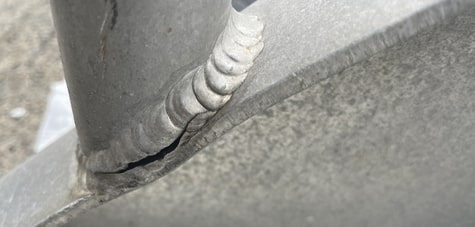
1. Gaps and micro-cracks at seam joints Even a hairline crack in a weld can allow water to seep through under pressure — during heavy rain, a car wash, or even highway driving through standing water. These micro-gaps are nearly invisible to the naked eye but can channel surprising amounts of moisture.

2. Deformation that breaks the seal geometry When the body flexes during a collision, panels and pillars can shift slightly out of alignment. This puts tension on factory welds and distorts the channels that weather stripping sits against, creating gaps that no amount of new rubber trim will fully fix until the underlying weld issue is corrected.

3. Damaged or misaligned weather stripping Broken welds around door frames, window surrounds, and the trunk opening cause the metal to flex away from its intended position, leaving weather stripping without solid backing to compress against. The result? Water bypasses the seal entirely.

For a deeper look at how weld failure affects vehicle structures, the National Highway Traffic Safety Administration (NHTSA) provides extensive documentation on structural integrity standards that illustrate just how critical these joints are.


The Most Common Locations for Water Leaks Caused by Broken Welds

After a collision, weld failures can appear in predictable locations. Knowing where to look can help you catch a problem early.

Roof and Pillars (A, B, and C Pillars)

The A-pillar (front), B-pillar (center), and C-pillar (rear) are all connected to the roofline via structural welds. Damage to any of these can allow water to track down the pillar and drip into the cabin — often appearing at the headliner, the base of the windshield, or the floor near the front seats. Vehicles with sunroofs are especially vulnerable, since the sunroof drain channels run along the same structural zones.

Door Frames and Window Surrounds

Compromised welds around door openings allow the frame to flex just enough to let water bypass the door seal. You'll often find pooling water on floor mats, in the door pocket storage compartments, or running along the sill under the carpet.

Trunk and Rear Quarter Panel Seams

Rear-end collisions frequently damage the welds in the trunk floor and rear quarter panels. Water that enters here tends to pool under the trunk liner, damaging the spare tire well and soaking into the foam and padding underneath — creating the perfect environment for mold growth that you may not discover until the smell becomes unbearable.

Firewall and Floor Panels

This is arguably the most dangerous location for a weld-related water leak. The firewall separates the engine compartment from the cabin, and breaks in the welds or seam sealer along this zone can allow water (and fumes) to enter near critical wiring harnesses and electronic control modules. Water intrusion here has been linked to everything from phantom electrical faults to complete system failures.


Warning Signs You Have a Water Leak from a Broken Weld

These are the red flags that should prompt immediate investigation — especially if your vehicle has had any accident history:

  • Musty or moldy odors — The number-one sign of hidden moisture. Mold can begin colonizing wet carpet and foam within 24–48 hours. (Learn more about car mold remediation and what's involved in properly treating it.)
  • Damp floor mats or carpet — If you're pulling up wet carpet after a rain but your windows were closed, you have a leak somewhere.
  • Rust-colored stains along seams or trim — Water running through metal over time leaves telltale rust staining at weld points and joints.
  • Fogging windows that won't clear — Excess interior humidity from trapped moisture causes persistent condensation that your HVAC system can't keep up with.
  • Electrical gremlins — Flickering dash lights, malfunctioning sensors, infotainment problems, or intermittent power window failures are classic symptoms of water reaching wiring.
  • Visible drips or puddles after parking in rain or going through a car wash.

If you're noticing any combination of these symptoms and your vehicle has prior accident history, don't wait. The longer moisture sits inside your vehicle's structure, the more expensive the damage becomes — and the greater the risk of mold spreading to the HVAC system, where it can circulate through the cabin every time you run the air. For more on how this affects your air quality, see Car Air Quality.


What to Do If You Suspect a Weld-Related Water Leak

Step 1: Get a Structural Inspection — Not Just a Cosmetic One

Many general mechanics aren't equipped to evaluate automotive weld integrity. Look for a body shop with frame and structural repair certification — ideally one that uses a body measuring system to check alignment against OEM specifications.

Step 2: Demand Proper Weld Repairs

If weld damage is found, insist on repairs performed by a certified welder using manufacturer-approved techniques. Poorly executed patch welds or overcovering with seam sealer alone are temporary fixes that will fail again — often worse than the original break.

Step 3: Replace Damaged Seals and Weather Stripping

Once the structural issue is corrected, any weather stripping that was compressed against a deformed weld zone will need to be replaced. New rubber won't seal properly against the old, distorted geometry.

Step 4: Address Any Mold Before It Spreads

If water has already been sitting inside your vehicle — even for a short time — mold remediation should be part of the repair plan, not an afterthought. Mold doesn't wait, and it doesn't confine itself to the spot where the water entered. Professional car mold removal is the only reliable way to ensure you're not breathing contaminated air every time you drive. The EPA's mold guidance makes clear that porous materials saturated with moisture must be properly treated or replaced — the same principles apply in vehicles.

Step 5: Monitor Regularly After Repairs

Check for recurrence after the first few heavy rains following repair. Run your hand along repaired seams, lift floor mats, and check the trunk liner. Catching any re-emergence early prevents the cycle from starting again.


The Bottom Line: Don't Ignore Post-Accident Water Leaks

A car water leak caused by broken welds isn't just a nuisance — it's a slow-motion disaster that can turn a repairable structural issue into a mold-infested, electrically compromised vehicle that costs far more to fix down the road. The key is connecting the dots between accident history and water intrusion before the damage compounds.

If you're dealing with a musty smell, wet floors, or a vehicle that's been in any kind of collision, don't wait for the problem to get worse. Reach out to a qualified professional who can evaluate both the structural and biological side of the damage — because in our experience, where there's water, mold is never far behind.

→ Dealing with car mold after a water leak? Contact us to learn how we can help restore your vehicle's interior to a safe, clean condition.


Related reading:


    Understanding and Fixing Trunk Vent Leaks

    Understanding and Fixing Trunk Vent Leaks

    Understanding and Fixing Trunk Vent Leaks (Before Mold Takes Over)

    If you've ever popped open your trunk after a rainstorm and felt that sinking feeling — literally — you're not alone. A trunk vent leak is one of the most common and most underestimated sources of water intrusion in vehicles. Left unchecked, that hidden moisture becomes a breeding ground for mold, mildew, and rust that can silently destroy your car's interior and tank its resale value.

    In this guide, we'll walk you through everything you need to know: what trunk vents are, why they leak, how to track down the exact source, and what to do when the damage has already been done. Whether you're a hands-on DIYer or you're just trying to understand what your mechanic is telling you, this breakdown is for you.


    What Are Trunk Vents — And Why Do They Matter?

    Most drivers have no idea their car even has trunk vents. These small, one-way valves are typically tucked behind the trunk's interior side panels, and their job is surprisingly important: they allow air pressure to equalize when you open and close your car doors. Without them, the air pressure difference could make doors feel stiff, cause interior seals to wear faster, and create all sorts of strange noises.

    Each vent includes a rubber flap or foam gasket designed to let air out but keep water, dust, and debris from getting in. Think of them like a check valve for your trunk's air supply. When they're working correctly, you never notice them. When they fail — that's when things get wet.

    Understanding how vehicle pressure equalization systems work can give you a deeper appreciation for why this small component plays such a big role in your vehicle's overall health.


    Signs You Have a Trunk Vent Leak

    Because trunk vents are hidden behind panels, the leak itself is usually invisible — but the symptoms are hard to miss once you know what to look for.

    Water pooling in the trunk is the most obvious red flag. If you find standing water or damp carpet after rain or a car wash, something is letting moisture in. Trunk vents are one of the top culprits, right alongside worn trunk lid seals and cracked tail light gaskets.

    A musty smell coming from the trunk or cabin is often the first sign that moisture has been sitting long enough to grow mold or mildew. That odor can spread through your HVAC system and into the passenger compartment faster than most people realize. If your car smells like a damp basement, don't ignore it — the EPA notes that mold can begin colonizing within 24 to 48 hours of a moisture event.

    Rust or corrosion on the trunk floor indicates that water has been sitting there long enough to start breaking down the metal. This is a serious structural concern and usually means the leak has been going on for a while.

    Items stored in the trunk becoming wet or developing mold is another clear signal. If your emergency kit, jumper cables, or spare tire cover are damp, the water is coming from somewhere — and a failed trunk vent is a prime suspect.


    Common Causes of Trunk Vent Leaks

    Not all trunk vent leaks are the same, and identifying the root cause will save you time and money on repairs.

    Aging or cracked rubber flaps are the most frequent culprit. The rubber used in trunk vents degrades over time, especially in climates with extreme heat — like Georgia summers — or heavy UV exposure. Once that rubber loses its flexibility, it can't form a proper seal and water finds a way in.

    Improper installation or factory defects do happen. If a vent wasn't seated correctly during manufacturing or was reinstalled incorrectly after a repair, gaps form around the edges that channel water straight into the trunk.

    Clogged drainage channels are an indirect but very real cause. Most trunks have small drain holes or channels designed to carry incidental moisture away. When those get packed with leaves, dirt, or debris, water backs up and gets forced toward the path of least resistance — often the vent seals. Popular Mechanics has a solid breakdown of all the ways water can invade a vehicle, and clogged drains consistently make the list.

    Collision damage can displace vent housings or distort the surrounding sheet metal just enough to break the seal. Even minor rear-end impacts that look cosmetically fine can shift body panels by a millimeter or two — which is all it takes for water to find a new path.


    How to Find and Fix a Trunk Vent Leak

    Step 1: Pull the Panels and Inspect

    Start by removing the interior trunk panels — most just pop off with plastic trim clips. With the panels out, use a flashlight to examine each vent. Look for cracked rubber, foam that's compressed or falling apart, and any gaps between the vent housing and the body of the car.

    Step 2: Do a Water Test

    Have someone spray a hose around the vent area while you watch from inside the trunk. Go slowly — move the water source in small sections so you can pinpoint exactly where the intrusion is happening. Mark the spot before you stop.

    Step 3: Repair or Replace the Vent

    If the vent is slightly loose or the gasket is just compressed, you may be able to reseat it and secure it with a marine-grade waterproof adhesive designed for automotive rubber. If the rubber flap is cracked, torn, or missing, replace the entire vent. OEM replacements are available through your dealership or sites like RockAuto. When replacing, use a compatible part — vent sizing varies by make and model.

    Step 4: Seal the Perimeter

    Even after replacing a vent, it's smart to apply a bead of silicone-based automotive sealant around the outside edge of the housing. This creates a secondary barrier against water intrusion. Avoid butyl tape alone in high-heat climates — it can soften and fail in summer temperatures.

    Step 5: Clear the Drains

    Before putting the panels back, take a few minutes to clear the trunk's drainage channels using compressed air or a small flexible brush. This ensures future moisture has a proper exit route instead of building up near your newly repaired vents.

    Step 6: Test, Then Reinstall

    Run another water test before putting the panels back. Once you're confident the fix held, reinstall the trim panels, making sure all the clips seat fully. A panel that's slightly out of position can put stress on the new seal.


    When DIY Isn't Enough: Mold Has Already Set In

    Here's where a lot of car owners get into trouble. They find the leak, fix it, and figure the problem is solved. But if water sat in the trunk for more than a day or two — especially under carpet padding or in closed plastic channels — mold has almost certainly already started growing.

    Mold isn't just an odor problem. Mold spores in an enclosed vehicle environment can affect air quality throughout the cabin and pose real health risks, especially for people with allergies, asthma, or respiratory sensitivities. Standard cleaning products won't reach spores embedded in padding, foam, or the seams of the trunk liner.

    Professional auto mold remediation uses specialized approaches including HEPA vacuuming, EPA-registered antimicrobials, and in some cases controlled ozone or hydroxyl treatment to fully eliminate mold at the source — not just mask the smell. If you've noticed a persistent musty odor even after drying out the trunk, or if you can see visible mold growth anywhere, that's the point where calling a professional isn't optional — it's the smart move.


    Preventing Trunk Vent Leaks Going Forward

    Prevention is always cheaper than remediation. A few habits go a long way:

    Inspect vents during oil changes. You don't have to pull the panels every time — just open the trunk and press gently on the panel near the vent location to feel for give or hear for rattling.

    Keep drainage channels clear. Especially in fall, leaf debris packs into drain channels surprisingly fast. A quick blow-out with compressed air twice a year keeps them flowing.

    Avoid high-pressure washing near the vent area. Pressure washers force water into seals that would normally hold up to rain just fine. Keep the wand moving and avoid dwelling on the trunk corners and tail light edges.

    Act quickly at the first sign of moisture. Mold can establish itself in 24 to 48 hours. The sooner you address a wet trunk, the lower your risk of turning a $20 sealant fix into a full mold remediation job.


    Bottom Line

    A trunk vent leak is easy to overlook but hard to fully undo once mold takes hold. The good news is that most leaks are fixable with the right diagnosis and a few basic materials — as long as you catch them early. If you're already dealing with odor, visible mold, or water damage that goes beyond surface dampness, don't wait. The longer moisture sits, the deeper the problem goes.

    Have a mold situation that's already gotten out of hand? Contact Car Mold Guys — we specialize in mobile auto mold remediation and can come to you anywhere in Georgia.


    Related Reading:

    Car Door Vapor Barrier Water Leaks

    Car Door Vapor Barrier Water Leaks

    Car Door Vapor Barrier Water Leaks: What's Really Causing Your Wet Carpet (And How to Fix It)

    You've noticed it before — that soggy, musty smell every time you get into your car. Maybe you've even run your hand along the carpet and felt it: wet. Not a little damp — actually wet. You've checked the sunroof, inspected the windshield seals, maybe even looked under the car. But the culprit could be something far more overlooked: your car door vapor barrier.

    If water is leaking inside your car door, you're not alone. It's one of the most common — and most misdiagnosed — sources of vehicle interior water damage. This post is going to break down exactly what a vapor barrier does, why they fail, how to tell if yours is the problem, and what happens to your car if you ignore it.


    What Is a Car Door Vapor Barrier?

    Every modern vehicle has a thin plastic sheet — sometimes called a door panel moisture barrier, door membrane, or car door plastic sheeting — sandwiched between the interior door panel and the metal door frame. This lightweight layer of polyethylene or similar material does one critical job: it keeps the water that gets into your door cavity from crossing over into your car's interior.

    Here's the thing most people don't realize: water is supposed to get into your door. Rain, car wash water, and road splash all enter the door cavity through gaps around the window channel. That's normal. The door is designed with drain holes at the bottom to let that water flow back out. The vapor barrier is your last line of defense — it ensures that water drains down and out rather than seeping through and soaking your carpet or door panel foam.

    When that barrier fails, water has a direct path into your car's interior every single time it rains.


    Why Car Door Vapor Barriers Fail

    Vapor barriers are often made of thin plastic sheeting bonded to the door frame with a butyl rubber adhesive (that sticky black mastic sealant). Over time, several things can cause them to fail:

    1. Age and heat cycling. The adhesive dries out and loses its grip. Here in Georgia, the heat is brutal on adhesives. After years of 90°F+ summers, that seal can crack, peel, and pull away from the door frame — leaving gaps that water pours right through.

    2. Door panel removal. Any time a window regulator, door lock actuator, or speaker has been replaced, the door panel has to come off. In many cases, the vapor barrier gets torn, perforated, or re-stuck improperly. A single missed edge is all it takes.

    3. Physical damage. Punctures from sharp objects, installation of aftermarket speakers, and even aggressive cleaning can create holes in the membrane without anyone realizing it.

    4. Factory defects. Some vehicles — particularly certain years of Ford, Chevrolet, and Honda models — have been known to ship with vapor barriers that don't fully seal the edges from the factory.


    How to Tell If Your Door Vapor Barrier Is Leaking

    Diagnosing a car interior water leak from the door isn't always straightforward, but here are the most reliable signs:

    • Wet carpet on one or both front sides of the vehicle — especially after rain or a car wash
    • Water pooling in the door pocket or along the bottom of the door panel
    • A musty or moldy odor that gets stronger after wet weather
    • Visible staining or discoloration on the door panel foam or carpet along the door sill
    • Damp or saturated door panel foam when you press along the inside of the door

    One DIY test: remove the interior door panel, carefully peel back the vapor barrier, and look for watermarks, rust, or residue on the inside of the door cavity. Then use a garden hose to simulate rain on the outside of the door while someone watches from inside. You'll see exactly where the water crosses through.

    For a more detailed guide on diagnosing vehicle water intrusion, the team at Bob Is The Auto Guy and resources at Automotive Body Repair News (ABRN) are excellent references for understanding vehicle panel systems.


    The Real Danger: Car Mold from Door Water Leaks

    A leaking vapor barrier doesn't just leave your carpet wet — it creates the perfect environment for mold growth. Carpet, foam, and the jute padding underneath the carpet are highly absorbent materials. Once they get wet, they stay wet. And dark, warm, humid conditions like the inside of a car door or under your carpet is exactly where mold thrives.

    Mold can begin growing in as little as 24–48 hours in the right conditions, according to the EPA's guidelines on mold and moisture. In a Georgia summer, that timeline can be even shorter.

    The most common molds found in vehicle interiors from water leaks include:

    • Cladosporium — the fuzzy black or green growth you might spot on carpet edges
    • Aspergillus — often found in HVAC systems and under seats
    • Stachybotrys (black mold) — rare but possible in cases of long-term, untreated moisture

    Beyond the health concerns, mold destroys carpet, eats through foam padding, and can permanently stain door panels. By the time you can smell it, you may already be looking at a significant remediation job.


    How to Fix a Leaking Car Door Vapor Barrier

    The good news: replacing a vapor barrier is a manageable repair. The bad news: it requires patience and the right materials to do correctly.

    What you'll need:

    • Replacement vapor barrier (OEM or aftermarket cut-to-fit)
    • Butyl rope caulk or butyl mastic adhesive
    • Plastic pry tools for panel removal
    • Patience

    Basic process:

    1. Remove the interior door panel using plastic trim tools — never metal, which can crack clips.
    2. Carefully peel back the old vapor barrier. Take note of where the original adhesive seal ran along the edge of the door.
    3. Remove all old butyl adhesive from the door frame.
    4. Inspect the door cavity for standing water, rust, or mold growth.
    5. If mold is present, address it before resealing — more on that below.
    6. Apply new butyl rope caulk in a continuous bead around the perimeter of the door frame.
    7. Press the new vapor barrier firmly into the butyl and work from the center outward to eliminate air pockets.
    8. Reinstall the door panel.

    For a visual walkthrough, ChrisFix on YouTube has some of the best door panel and vapor barrier tutorials available for DIYers.


    Already Have Mold? Don't Just Dry It Out.

    Here's where a lot of car owners make a critical mistake: they dry out the wet carpet, spray some Lysol, and call it a day. That approach doesn't kill mold — it just dries the surface while leaving the root structure (hyphae) alive in the padding and subfloor.

    Proper auto mold remediation involves:

    • Removing and inspecting affected carpet and padding
    • Treating all porous surfaces with an EPA-registered antimicrobial
    • Using HEPA air scrubbers and/or hydroxyl generators to treat airborne spores
    • Encapsulating treated surfaces when necessary
    • Addressing and sealing the moisture source before reinstallation

    At Car Mold Guys, we specialize in exactly this. We've seen what a two-inch gap in a door vapor barrier can do when it goes unnoticed for a full rainy season — and we know how to bring a vehicle back to safe, odor-free condition. If you're in Georgia and dealing with a wet interior or a moldy smell that won't quit, reach out to us at carmoldguys.com for a free assessment.


    Don't Wait — Water Damage Compounds Fast

    A small tear in your car door vapor barrier might seem like a minor annoyance, but every rainstorm makes the problem worse. Water saturates deeper into the padding. Rust begins forming on the door frame. Mold spreads from the carpet to the seats to the HVAC system. What starts as a $50 repair becomes a $500 remediation job.

    The moment you notice a wet car carpet, a damp door panel, or a musty smell after rain — act on it. Pull the door panel, inspect the barrier, and fix the seal. If mold is already in the picture, don't guess — call a professional who knows the difference between surface mildew and a full colony growing beneath your floor mat.

    Your car's interior is worth protecting. And your lungs are worth protecting even more.


    Have questions about car door water leaks, auto mold removal, or vehicle interior water damage in Georgia? Visit us at carmoldguys.com or call us directly. We're mobile — we come to you.


    Best Practices for Drying Out a Wet Car

    Best Practices for Drying Out a Wet Car

    How to Dry Out a Wet Car Interior — Before Mold Takes Over

    Few things are worse than sliding into your car only to feel that telltale squish under your feet. Whether a window was left open during a Georgia downpour, a drink got knocked over, or you're dealing with a slow interior leak you didn't catch in time — a wet car interior is more than just uncomfortable. Left unaddressed, trapped moisture becomes a breeding ground for mold and mildew that can damage your upholstery, rot your carpet padding, and fill your car with an odor that no air freshener can fix.

    The good news? If you act fast and follow the right steps, you can dry out your car interior completely and protect it from long-term damage. Here's how to do it right.


    Why Speed Is Everything When Your Car Interior Gets Wet

    Mold spores are everywhere — including inside your vehicle. Under the right conditions (moisture + warmth + an organic surface like carpet or foam), mold can begin colonizing a surface in as little as 24 to 48 hours. That's a frighteningly short window, especially during hot and humid Southern summers when your car's interior can become a virtual greenhouse.

    The moment you discover water in your car, the clock starts. Don't wait until the weekend. Don't throw a towel down and forget about it. Act now — and follow these steps in order.


    Step 1: Remove the Standing Water Immediately

    Start with what you can see. Use absorbent microfiber towels to soak up puddles on seats, the dash, and door panels. For carpeted areas, a wet/dry shop vacuum is your best friend — far more effective than towels alone because it extracts water from deep within carpet fibers, not just the surface.

    Go slow and methodical with the vacuum. Make multiple passes, especially in low spots near the seat tracks and under the front seats where water pools and hides.

    Pro tip from the professionals at Car Mold Guys: don't vacuum once and assume you're done. Water wicks upward and redistributes. Come back 20–30 minutes later and vacuum again.


    Step 2: Pull Back the Carpet — This Step Most People Skip

    This is the step that separates a thorough drying job from one that leads to a mold problem weeks later.

    When water soaks into a car's floor, it almost always penetrates through the carpet and into the carpet padding (also called the jute mat or underlayer). This padding is dense, fibrous, and holds moisture like a sponge. The carpet above may feel dry to the touch while the padding underneath stays saturated for days.

    To access it, remove the floor mats, then carefully pull back the carpet at the edges near the door sills and seat bolts. You don't need to remove the seats in every case, but if you had significant standing water, consider it. Once the padding is exposed, vacuum it thoroughly and allow it to air dry completely before reinstalling.

    Skipping this step is the single most common reason cars develop mold and a foul musty smell even after the owner thought the car was "dried out." According to the IICRC (Institute of Inspection Cleaning and Restoration Certification), water damage must be addressed at the substrate level — not just the surface — to prevent microbial growth.


    Step 3: Remove All Wet Items From the Car

    Floor mats, seat covers, gym bags, trunk liners — anything wet comes out. Lay them flat in direct sunlight if possible, or in a warm, well-ventilated space. For heavily soaked items like rubber floor mats, hit them with a pressure washer, then let them dry in the sun before returning them to the vehicle. Putting wet items back into a car you just worked to dry out defeats the entire purpose.


    Step 4: Maximize Airflow

    Moisture needs somewhere to go. Open all four doors and the trunk to create cross-ventilation. If you have a portable fan or two, place them at opposite ends of the car to pull moist air out and push dry air in. Even running a box fan directed through an open door for a few hours can make a dramatic difference.

    If weather doesn't cooperate, move the car to a garage and run fans anyway. Airflow beats still air every time when it comes to evaporating moisture from porous materials.


    Step 5: Use a Dehumidifier or Desiccant Products

    Once the bulk of the moisture is out, tackle the residual dampness. A small electric dehumidifier placed inside the car with the doors closed (or cracked just enough for the power cord) can pull a surprising amount of water from the air and surfaces overnight.

    For ongoing moisture control, consider placing silica gel desiccant bags under your seats — particularly useful during rainy seasons. Products like DampRid or reusable silica canisters are widely available and inexpensive. They won't save a soaked car on their own, but they're excellent for the final-stage drying and for ongoing prevention.


    Step 6: Use Heat to Accelerate Evaporation

    On a warm, sunny day, a parked car in direct sunlight can actually work in your favor — heat accelerates evaporation. Combine this with open windows to vent the humid air out rather than letting it recondense on cooler surfaces.

    You can also run your car's heater on high with the blower on max. For even better results, run both the heat and air conditioning simultaneously — the A/C dehumidifies the air before the heater warms and circulates it, an old detailer's trick that works surprisingly well.


    Step 7: Shampoo and Clean Affected Fabric Surfaces

    Once the interior is dry to the touch, clean any carpet or upholstery that was soaked. Use a dedicated upholstery shampoo or carpet cleaner formulated for automotive interiors. Work it in with a stiff brush, let it dwell, then extract it thoroughly with your wet/dry vac.

    This step removes the organic residue left behind by dirty water — residue that mold will happily feed on even after the moisture is gone. Don't skip it just because the surface looks clean.


    Step 8: Inspect Carefully for Mold and Odor

    After 24–48 hours of thorough drying, do a complete inspection. Use your nose first — a musty, earthy, or sour smell is often the first sign of active mold growth even before it's visible. Check under seats, along carpet edges, inside seat track channels, and behind trim panels.

    If you find visible mold or a persistent odor:

    • Apply a solution of hydrogen peroxide and water (1:1 ratio) to affected areas and let it dwell for 10–15 minutes before blotting clean.
    • For stubborn mold, a commercial mold cleaner rated for automotive interiors will be more effective than DIY solutions.
    • Activated charcoal bags or chlorine dioxide odor eliminators can help neutralize lingering MVOC (microbial volatile organic compound) smells that persist even after the mold itself is treated.

    If the mold has penetrated deeply into carpet, foam padding, or door panel materials, DIY treatment may not be sufficient. That's when it's time to call a professional auto mold remediation service.


    Step 9: Find the Source and Fix It

    Drying a wet car that keeps getting wet again is a losing battle. Once the interior is clean and dry, identify what allowed the water in:

    • Weather stripping that's cracked, compressed, or missing
    • Clogged sunroof drains (a very common culprit — here's how sunroof drains work and fail)
    • Leaking door seals or windshield seals
    • A/C evaporator drain clogs that cause water to drip onto the passenger-side floor from the inside
    • Flood damage from low-clearance driving through standing water

    Regular inspection of your door seals, sunroof drains, and window channels — especially before rainy seasons — is simple preventive maintenance that can save you from a major mold problem down the road.


    When to Call a Professional

    If you've gone through these steps and still have a persistent mold smell, visible mold growth, or significant water intrusion you can't trace, don't keep throwing air fresheners at the problem. Car mold is a health hazard — mold exposure can cause respiratory issues, allergic reactions, and other symptoms — and it doesn't go away on its own.

    A professional auto mold remediation service has the equipment (hydroxyl generators, ozone systems, commercial extractors) and the expertise to address mold at the source rather than masking it.


    Final Thoughts

    Drying out a wet car interior is absolutely something you can handle yourself if you act quickly and go beyond just the surface. The key is getting under the carpet, maximizing airflow, and following through with cleaning — not just drying. Skip any of those steps, and you're likely to be dealing with a mold problem in a few weeks wondering where that smell came from.

    When in doubt, call in the pros before mold gets a foothold. It's always easier — and cheaper — to remediate early.


    Dealing with mold in your vehicle already? Car Mold Guys specializes in professional auto mold removal and interior remediation across Georgia. Contact us today for a free assessment.

    MERV vs. HEPA: How Air Filters Work

    MERV vs. HEPA: How Air Filters Work

    Merv VS Heppa


    What Is a MERV Rating? (And Why It Matters)

    MERV stands for Minimum Efficiency Reporting Value, a standardized rating system developed by the American Society of Heating, Refrigerating and Air-Conditioning Engineers (ASHRAE). The scale runs from 1 to 16, measuring how effectively a filter captures airborne particles ranging from 0.3 to 10 microns in size.

    Think of the MERV scale like SPF for sunscreen — the higher the number, the more protection you get. Here's how the ratings break down in real-world terms:

    • MERV 1–4: Entry-level filtration. Catches large particles like lint, dust mites, and pollen. Common in window AC units and basic furnace filters.
    • MERV 5–8: Mid-range filtration. Captures mold spores, pet dander, and finer dust. A solid choice for most residential HVAC systems.
    • MERV 9–12: Higher efficiency. Blocks lead dust, auto emissions, and fine particulates. Ideal for households with mild allergy sufferers.
    • MERV 13–16: Near-HEPA performance. Traps bacteria, smoke particles, and some viruses. Used in hospitals, commercial buildings, and high-demand residential settings.

    For most American homes, a MERV 8 to MERV 13 filter strikes the right balance between air quality improvement and HVAC system compatibility. The U.S. Environmental Protection Agency (EPA) recommends MERV 13 as a strong baseline for improving indoor air quality without overburdening most residential systems.


    What Is a HEPA Filter?

    HEPA stands for High-Efficiency Particulate Air. Unlike MERV, which is a rating scale, HEPA is a performance standard — and it's a strict one. To earn the HEPA designation, a filter must capture at least 99.97% of all airborne particles 0.3 microns or larger. That includes pollen, mold spores, dust mite debris, pet dander, bacteria, and even some viruses.

    Originally developed by the U.S. Department of Energy during the Manhattan Project to contain radioactive particles, HEPA technology has since become the gold standard for critical air filtration. Today, you'll find HEPA filters in:

    • Hospital operating rooms and isolation wards
    • Pharmaceutical cleanrooms
    • High-end residential and commercial air purifiers
    • Vacuum cleaners marketed to allergy sufferers
    • Aircraft cabin air systems

    The EPA notes that portable HEPA air purifiers can be highly effective at reducing indoor airborne contaminants when used correctly — particularly in single rooms or smaller spaces.


    MERV vs HEPA: The Core Differences

    Here's where people often get confused: MERV and HEPA are not competing products you swap out in the same slot. They operate in different contexts, and understanding that distinction saves you from making an expensive or ineffective choice.

    Efficiency

    A MERV 16 filter — the highest standard MERV rating — captures roughly 95% of particles in the 0.3–1.0 micron range. A true HEPA filter captures 99.97% of those same particles. That 5% gap sounds small but represents a significant difference in environments where air purity is critical, such as for immunocompromised individuals or during wildfire smoke events.

    Where They're Used

    MERV filters are designed to work inside central HVAC ductwork. They filter air as it circulates through your home's heating and cooling system, making them the standard choice for whole-home filtration.

    HEPA filters, by contrast, are typically found in standalone air purifiers and specialty HVAC systems. Most residential HVAC systems are not engineered to handle the airflow resistance of a true HEPA filter — forcing one into a standard return air slot can strain your blower motor and reduce system efficiency.

    Cost

    MERV filters are significantly more affordable. A quality MERV 13 filter for a standard 20x20x1 slot typically runs $15–$30 and should be replaced every 60–90 days. True HEPA filters for standalone air purifiers run $40–$100 or more, with some whole-home HEPA systems requiring professional installation costing several thousand dollars.

    Airflow Resistance

    This is a critical factor many homeowners overlook. Higher-efficiency filters — both high-MERV and HEPA — create more resistance to airflow. For MERV filters, anything above MERV 13 in a standard residential system can restrict airflow enough to reduce efficiency, increase energy bills, and shorten equipment life. Always check your HVAC manufacturer's recommendations before upgrading to a higher MERV rating.


    Head-to-Head Comparison

    Feature MERV Filters HEPA Filters
    Efficiency Range MERV 1–16 (varies by particle size) 99.97% for particles ≥0.3 microns
    Best Applications Whole-home HVAC systems Portable air purifiers, critical environments
    Typical Cost $5–$30 per filter $40–$100+ per filter
    Airflow Impact Low to moderate (varies by rating) High — requires compatible system
    Replacement Frequency Every 1–3 months Every 6–12 months (varies by model)
    Best For General air quality, allergen reduction Severe allergies, asthma, immunocompromised
    DIY Installation Yes — standard HVAC slot Usually yes for purifiers; no for whole-home

    Which Filter Is Right for Your Situation?

    Choose a MERV Filter If…

    • You're filtering air through a standard residential or commercial HVAC system
    • You want to improve overall indoor air quality without major cost or system modifications
    • You have mild to moderate allergy concerns
    • You're looking for a cost-effective, scalable solution
    • You want whole-home coverage on a budget

    A MERV 13 filter is the sweet spot recommendation from many HVAC professionals and the EPA for most homes. It offers substantial particle capture — including smoke, bacteria, and fine dust — while remaining compatible with most central air systems.

    Choose a HEPA Filter If…

    • You or someone in your household has severe allergies, asthma, or a compromised immune system
    • You live in an area with high wildfire smoke or outdoor air pollution events
    • You want to supplement your HVAC filtration with a room-level air purifier
    • You're setting up a workspace that requires very high air purity
    • Your HVAC system is specifically designed or upgraded to handle HEPA-level resistance

    For most homeowners, the best approach is a combination strategy: use a quality MERV 13 filter in your HVAC system for whole-home baseline filtration, then add a portable HEPA air purifier in bedrooms or high-use areas where extra protection matters most.


    Pro Tips for Getting the Most Out of Any Air Filter

    1. Size matters. An ill-fitting filter — even a great one — lets unfiltered air bypass it entirely. Measure your filter slot precisely and replace with the exact dimensions.
    2. Change on schedule. A clogged filter becomes a restriction, not a protector. Set a phone reminder or subscribe to auto-delivery to stay on schedule. High-MERV filters in dusty environments (or homes with pets) may need monthly changes.
    3. Don't over-filter. Jumping to the highest MERV you can find isn't always better. If your HVAC system isn't rated for it, you may damage equipment and reduce air circulation — worsening air quality, not improving it.
    4. Combine strategies. Filtration is one piece of the puzzle. The American Lung Association recommends pairing filtration with source control — keeping humidity in check, using exhaust fans, and minimizing chemical off-gassing from household products.
    5. Consider your specific contaminants. Dealing with mold odors or VOCs? Filtration alone won't fully solve that. Activated carbon filters, used in combination with MERV or HEPA media, target gases and odors that particulate filters miss.

    The Bottom Line

    The MERV vs HEPA debate doesn't have a single winner — it has a right answer for your situation. MERV filters offer versatility, affordability, and whole-home coverage that fits seamlessly into most residential HVAC systems. HEPA filters deliver elite particle capture that's unmatched in critical environments or for people with serious respiratory health needs.

    For most households, a MERV 13 filter in the HVAC system combined with a HEPA air purifier in the bedroom delivers the best of both worlds — without breaking the bank or overtaxing your equipment.

    The single most important thing you can do? Stop using whatever bargain-bin filter came with your house and upgrade to a rated solution. Your lungs will thank you.


    Have questions about air quality, mold, or indoor contaminants? Drop them in the comments below.


    Tags: air filter comparison, MERV rating explained, HEPA filter efficiency, best air filter for home, MERV 13 filter, air quality improvement home, air filter for allergies, HVAC filter ratings, best air purifier filter, what does MERV rating mean, indoor air quality tips

    Car Water Leaks the Problem with Faulty Windshields

    Car Water Leaks the Problem with Faulty Windshields

    Is Your Windshield Leaking Water Into Your Car?

    Few things are more frustrating than discovering a soggy carpet or waterlogged dashboard in your car. Yet for thousands of vehicle owners every year, that's exactly what happens — and the culprit is often hiding in plain sight: a faulty or improperly installed windshield. A windshield water leak can begin as a minor annoyance and quietly escalate into a serious, expensive problem.

    In this guide, we'll break down exactly how windshields cause water intrusion, the warning signs to watch for, the real consequences of ignoring the problem, and — most importantly — how to fix or prevent a leaking windshield before it turns into a disaster.


    Why Windshields Are a Common Source of Water Leaks

    Your windshield isn't just a piece of glass — it's a structural component of your vehicle, bonded to the car's frame with a specialized urethane adhesive that forms a watertight seal. When that seal is intact and properly applied, it keeps rain, humidity, and car wash water firmly on the outside where it belongs.

    The problem? That seal can fail. And when it does, water finds a way in.

    Unlike factory-installed windshields — which are installed under controlled conditions with precision tooling and quality adhesives — replacement windshields are a much more common source of leaks. According to the Auto Glass Safety Council (AGSC), improper installation is one of the leading causes of post-replacement windshield leaks, and not all auto glass shops follow the industry's established safety and installation standards.

    Here are the most common reasons a windshield develops a water leak:

    1. Improper Installation

    This is the number one cause of windshield leaks. When a technician rushes the job, uses the wrong adhesive, applies too little urethane, or fails to allow adequate cure time before the vehicle is driven, gaps can form between the glass and the pinch weld (the metal frame around the windshield opening). These gaps — sometimes invisible to the naked eye — become channels for water to travel directly into your vehicle's interior.

    2. Failed or Aging Adhesive

    Even a perfectly installed windshield can develop a leak over time. Urethane adhesive is durable, but prolonged exposure to UV radiation, extreme heat (especially in states like Georgia with intense summer sun), freezing temperatures, and the constant flex of everyday driving can cause the seal to degrade. Older vehicles with original windshields are sometimes vulnerable to this kind of wear.

    3. Damage to the Pinch Weld or Frame

    If your vehicle has been in a collision or has had bodywork done, the metal frame around the windshield opening may be warped, rusted, or improperly repaired. A distorted pinch weld makes it nearly impossible to achieve a complete, uniform seal — even for the most careful installer.

    4. Windshield Chips and Cracks

    Small chips and cracks, especially near the edges of the windshield where the glass meets the seal, can compromise the integrity of the bond. Water is relentless — it will find even the smallest pathway in and exploit it.


    Warning Signs: How to Tell If Your Windshield Is Leaking

    Catching a windshield leak early is critical. The longer water has access to your vehicle's interior, the more damage accumulates. Watch for these telltale signs:

    • Unexplained damp or wet carpets, especially under the dashboard or near the A-pillars (the vertical supports on either side of the windshield)
    • Water stains or streaks running down the inside of the A-pillar trim or across the dashboard
    • Persistent foggy or condensation-covered windows, even after the defroster has been running
    • A musty, mildew-like odor inside the cabin — this is often the first sign that moisture has been present long enough for mold growth to begin
    • Visible dripping or wet spots during heavy rain or after a car wash, particularly around the windshield edges
    • Bubbling or peeling headliner material near the top of the windshield

    If you're noticing any of these symptoms, don't wait. The damage compounds quickly.


    The Real Consequences of a Leaking Windshield

    A leaking windshield isn't just an inconvenience — it sets off a chain reaction of damage that can affect nearly every system in your vehicle.

    Interior and Upholstery Damage

    Water that soaks into carpet, seat foam, and headliner material doesn't just cause staining. It creates a persistently damp environment that is nearly impossible to fully dry without professional intervention. Once moisture saturates the padding and insulation beneath your carpet, it becomes a breeding ground for problems.

    Mold and Mildew Growth

    This is where a simple water leak becomes a health hazard. Mold can begin to colonize damp automotive interiors within 24 to 48 hours under the right conditions. Vehicle interiors — warm, enclosed, and full of organic materials like fabric and foam — are ideal environments for mold. Once mold takes hold, it produces microbial volatile organic compounds (MVOCs) that create a distinctive musty odor and can cause respiratory irritation, especially for individuals with allergies or asthma. Mold remediation in vehicles is a specialized service, and the costs can be significant.

    Electrical System Malfunctions

    Modern vehicles are packed with wiring, sensors, modules, and control units — many of them located behind the dashboard, directly in the path of a windshield leak. Water and electronics are a dangerous combination. Short circuits can cause issues with everything from your infotainment system and navigation to your airbag sensors and anti-lock braking system. Some of these electrical faults won't manifest immediately, making them harder to trace back to the original leak.

    Rust and Structural Corrosion

    Water that reaches the metal floor pan and frame components will eventually cause rust. The floorboards, rocker panels, and firewall are especially vulnerable. Rust weakens structural integrity and, in severe cases, can create safety issues in the event of a collision. It also dramatically reduces resale value.

    Reduced Visibility and Safety

    Excess interior moisture leads to persistent window fogging. While this may seem minor, reduced visibility is a genuine road safety risk — particularly during nighttime driving or in inclement weather conditions.


    How to Fix a Leaking Windshield

    Step 1: Identify the Leak Point

    Before any repair, you need to locate exactly where water is entering. A simple test: with someone inside the vehicle, use a garden hose to slowly run water along the windshield edges while watching for drips. Alternatively, a professional auto glass shop can use a leak detection dye or electronic moisture meter to pinpoint the source precisely.

    Step 2: Choose the Right Repair Approach

    • Minor seal gaps or edge separation: A professional can inject fresh urethane sealant into the affected area without removing the windshield, sealing minor leaks effectively.
    • Widespread adhesive failure or improper original installation: In this case, the windshield typically needs to be removed, the old adhesive properly stripped from the pinch weld, and the windshield re-installed with fresh urethane using correct cure time protocols.
    • Damaged or rusted pinch weld: Bodywork may be needed before a new seal can be properly established.
    • Chips and edge cracks: Small chips can often be repaired with a resin injection, but cracks near the seal area usually require full replacement.

    Step 3: Allow Proper Cure Time

    One of the most overlooked steps in windshield installation is cure time. Urethane adhesive requires a minimum safe drive-away time (MDAT) — typically one to several hours depending on the product — before the vehicle should be driven. Driving too soon flexes the body and can break the new seal before it fully cures. Always confirm this with your installer and follow their guidance.

    Step 4: Address Any Interior Water Damage Promptly

    If water has already made its way into the cabin, fixing the leak is only the first step. Wet carpet padding, soaked insulation, and damp headliner material need to be thoroughly dried — ideally with professional-grade air movers and dehumidification equipment. If mold is suspected, a certified automotive mold remediation professional should inspect and treat the interior before the problem spreads or becomes a health concern.


    Preventing Windshield Leaks Before They Start

    • Vet your auto glass installer. Look for shops that are AGSC-certified and that use OEM-equivalent or OEM adhesive systems.
    • Inspect your windshield edges seasonally. Look for any lifting, separation, or discoloration of the seal, especially after harsh winters or particularly hot summers.
    • Act on chips and cracks immediately. Most windshield repair services can fix a chip in under an hour. A chip left untreated can become a crack — and a crack near the seal edge is a water leak waiting to happen.
    • After any collision repair, confirm that the windshield seal was inspected and re-sealed if the surrounding body panels were worked on.
    • Apply quality glass sealant products to maintain the bond and repel water infiltration over time.

    The Bottom Line

    A windshield water leak is rarely just about the windshield. It's about everything the water touches after it gets in — your carpet, your foam padding, your wiring, your metal frame, and potentially your health if mold takes hold. The good news is that caught early, a leaking windshield is a very fixable problem. Caught late, it becomes a far more costly and complicated one.

    If you're dealing with musty odors, damp carpets, or visible mold in your vehicle's interior as a result of a water leak, professional auto mold remediation may be necessary to fully restore your car's air quality and cleanliness. Don't let a small seal gap become a big health and safety issue — act at the first sign of trouble.


    Have questions about water damage or mold in your vehicle? Contact our team — we specialize in automotive mold remediation and can help assess and restore your car's interior.

    Detecting mold in a car

    Detecting mold in a car

    How to Detect Mold in Your Car: Warning Signs, Health Risks & What to Do Next

    That strange smell hitting you every time you climb into your car? It might not just be old fast food wrappers or a forgotten gym bag. If there's a musty, earthy odor lingering in your vehicle — especially after rain or humid weather — there's a real chance you're dealing with mold in your car. And if you are, ignoring it isn't an option.

    Car mold is more common than most drivers realize, and it can appear in virtually any vehicle, regardless of age or condition. From a leaky door seal after a Georgia thunderstorm to a forgotten wet umbrella left on the floorboard, it doesn't take much for mold spores to take hold and start spreading. Knowing how to detect car mold early can save you thousands in remediation costs — and protect your health in the process.

    In this guide, we'll walk you through every warning sign of car interior mold, explain the serious health risks involved, and tell you exactly what to do if you find it.


    Why Cars Are a Breeding Ground for Mold

    Before we get into detection, it helps to understand why mold loves your car's interior. According to the EPA, mold thrives in environments with moisture, organic material, and limited airflow — and your car checks all three boxes.

    Car interiors are lined with fabric, foam, carpet, and porous materials that absorb moisture easily. When water gets in through a cracked seal, a sunroof leak, a spill, or even heavy condensation, those materials hold onto that moisture. Your car's enclosed cabin traps humidity, especially in warmer climates, creating the perfect incubation environment for mold growth.

    Common entry points for moisture include:

    • Leaky door or window seals
    • Sunroof or moonroof drainage clogs
    • Wet items left inside (umbrellas, gym bags, towels)
    • Flood or water damage from storms
    • AC system condensation that hasn't been properly draining
    • Spilled drinks or food left untreated

    Once mold takes root in your car's carpet, seats, or air ducts, it spreads quickly — especially in summer months when heat and humidity work together to accelerate growth.


    5 Key Warning Signs of Mold in Your Car

    1. A Persistent Musty or Earthy Smell

    The most common first indicator of car mold is the smell. A musty, damp, or musty smell in your car — particularly one that comes on when you turn on the air conditioning — is one of the earliest and most reliable signs that mold or mildew is present somewhere in your vehicle.

    Don't brush it off as "old car smell." That earthy, stale odor is actually produced by microbial volatile organic compounds (MVOCs), gases released by active mold colonies as they feed and grow. If you're smelling it, the mold is alive and spreading.

    2. Visible Dark Spots or Discoloration

    Black mold in a car or any other color of mold often appears as spots, patches, or fuzzy growth on surfaces. You might notice:

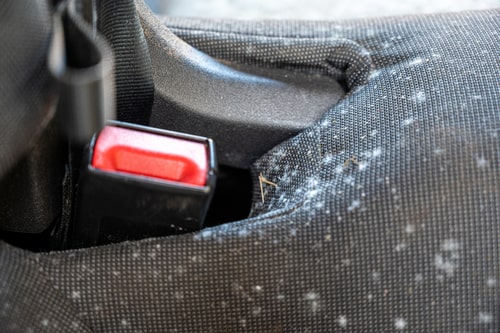
    • Green, black, or white spots on seat fabric, carpet, or headliner
    • Dark staining around seams, stitching, or under floor mats
    • Fuzzy or powdery growth on plastic trim near vents or door panels
    • Brownish discoloration on the underside of car mats or in seat crevices

    Mold doesn't always grow in obvious places. Be sure to check underneath seats, in the trunk, behind the spare tire, and along the base of the doors where water tends to pool.

    3. Evidence of Water Damage or Dampness

    If your car has ever had any type of water intrusion — even a minor one — you're at elevated risk for mold growth. Signs of water damage to look for include:

    • Wet or damp carpeting, even when it hasn't rained recently
    • Fogging or condensation on the inside of windows that won't go away
    • Stiff, crunchy, or discolored seat foam after drying
    • Rust or water stain lines on floor panels or door sills

    Any vehicle with a history of flooding, a leaky sunroof, or a broken window seal should be treated as a potential mold risk until fully inspected.

    4. Allergy-Like Symptoms When Inside the Vehicle

    One of the most overlooked car mold symptoms is how you feel when you're in your car. Mold releases spores and mycotoxins into the air, which your HVAC system can circulate throughout the cabin. If you or your passengers experience any of the following primarily while in your car — and they improve when you get out — mold exposure is a likely culprit:

    • Sneezing and nasal congestion
    • Watery or itchy eyes
    • Skin irritation or rashes
    • Headaches or brain fog
    • Sore throat or coughing

    These symptoms are especially significant for people with asthma, mold allergies, or compromised immune systems. According to the CDC, exposure to mold can trigger allergic responses and worsen respiratory conditions even in otherwise healthy individuals.

    5. Respiratory Issues or Worsening Asthma

    Beyond the allergy symptoms, prolonged exposure to black mold in a car or any toxic mold variety can lead to more serious respiratory complications. If you regularly spend time in a mold-affected vehicle and you've noticed wheezing, shortness of breath, chest tightness, or worsening asthma symptoms, the air quality inside your car may be to blame.

    This is not something to wait out. The longer mold is present and actively growing in your vehicle, the greater the concentration of spores in the air you're breathing during your commute.


    High-Risk Areas for Car Interior Mold

    When inspecting your vehicle, focus your attention on these common hotspots:

    • Carpet and floor mats — especially under seats and in the trunk
    • Seat foam and fabric — particularly in seams and under seat covers
    • Headliner — mold often grows unseen before staining appears
    • Air conditioning evaporator and ducts — a prime source of "AC mold smell"
    • Dashboard vents — where moisture and organic dust accumulate
    • Door panels and sill plates — where water pools from open windows or leaks
    • Spare tire compartment — often overlooked and prone to moisture trapping

    How to Test for Mold in Your Car

    If you suspect car interior mold but can't locate it visually, there are a few options:

    DIY Mold Test Kits: Available at most home improvement stores, these kits involve placing a petri dish inside your vehicle for a set period and then mailing it to a lab. They can confirm the presence of mold spores but won't tell you the concentration or exact location. EMSL Analytical and similar labs offer professional-grade air quality testing kits for consumers.

    Professional Inspection: A certified auto mold remediation specialist can perform a full inspection, identify hidden mold colonies, test air quality inside the cabin, and give you a detailed assessment of what you're dealing with. This is the most accurate option, especially if mold is suspected in the HVAC system or behind interior panels.


    What to Do If You Find Mold in Your Car

    Finding mold in your car isn't a death sentence for your vehicle — but it does require immediate, professional-grade action. Here's what not to do: don't try to bleach it, mask it with air fresheners, or just dry it out and hope for the best. DIY approaches almost always miss hidden mold colonies and can disturb spores, spreading contamination further.

    A professional car mold remediation service will:

    1. Identify all affected areas, including hidden mold in foam, ducts, and panels
    2. Use HEPA filtration and containment to prevent cross-contamination
    3. Apply EPA-registered antimicrobial treatments to kill active mold
    4. Address the source of moisture to prevent regrowth
    5. Deodorize with professional-grade odor eliminators like chlorine dioxide or hydroxyl generation technology

    Acting fast matters. The IICRC — the Institute of Inspection, Cleaning and Restoration Certification — recommends that mold remediation begin within 24–48 hours of moisture discovery to prevent widespread growth.


    Don't Wait — Get Your Car Inspected Today

    Mold in a car is a health hazard, not just an inconvenience. Whether you've noticed a musty smell, spotted discoloration on your seats, or you've been sneezing every time you start your commute, it's time to get your vehicle properly inspected and treated.

    At Car Mold Guys, we specialize exclusively in auto mold removal and car interior mold remediation across Georgia. Our mobile service comes to you — no need to drop your car off anywhere. We use professional-grade equipment and proven remediation methods to eliminate mold at the source, not just cover it up.

    Contact Car Mold Guys today for a free phone consultation and get your car back to clean, safe, and mold-free — fast.

    Stachybotrys – Black mold

    Stachybotrys – Black mold

    Black Mold in Your Car: Everything You Need to Know About Stachybotrys

    If you've ever noticed a dark, slimy patch growing on your car's seats, carpet, or headliner — and that musty smell just won't quit — you may be dealing with one of the most notorious molds on the planet: Stachybotrys chartarum, better known as black mold. This isn't a problem you can spray with a bottle of Febreze and forget. Left untreated, toxic black mold in your car can put your health at serious risk every single time you turn the key.

    In this guide, we're breaking down exactly what Stachybotrys is, why it thrives in vehicles, what it can do to your body, and — most importantly — what you should do if you find it in your car.


    What Is Stachybotrys Chartarum (Black Mold)?

    Stachybotrys is a genus of filamentous fungi — the scientific name for a group of molds that grow in long thread-like structures called hyphae. The most infamous member of the family is Stachybotrys chartarum, the species that earned the nickname "toxic black mold" due to its characteristic dark greenish-black color and its ability to produce dangerous compounds called mycotoxins.

    According to the CDC, Stachybotrys chartarum is commonly found in homes and buildings that have experienced water damage or persistent moisture problems. The same is absolutely true for vehicles — and cars may actually be worse environments than homes because of how enclosed and poorly ventilated they are.

    Unlike many common household molds, Stachybotrys is a slow grower. It doesn't colonize fast, but when it does take hold, it digs in deep — literally growing into the fibers of your carpet, the padding beneath your seats, and even the foam inside your headliner. By the time you can see it, a significant colony may already be established beneath the surface.


    Why Does Black Mold Love Your Car?

    Your vehicle is essentially the perfect environment for Stachybotrys growth. Here's why:

    High cellulose content. Stachybotrys thrives on materials rich in cellulose, including paper, wood, and natural fibers. Your car's interior is loaded with them — the jute backing under your carpet, pressed wood trim panels, fabric seat covers, and headliner material all provide an ideal food source.

    Trapped moisture. A leaky sunroof seal, a cracked door weatherstrip, a clogged AC drain line, or a single forgotten wet umbrella on the floorboard can introduce enough moisture to kick-start mold growth. Vehicles trap humidity better than most spaces. According to the EPA's mold guidelines, mold needs only 24–48 hours of moisture to begin colonizing a new surface.

    Limited airflow. Cars sit parked for hours or days at a time. Without active airflow, moisture has nowhere to escape, and relative humidity inside the cabin can spike dramatically — especially in humid climates like Georgia's. That combination of warmth, humidity, and organic material is Stachybotrys's dream home.

    Flood and water damage events. Flash flooding, heavy rain, or even a car wash with a bad window seal can introduce significant water intrusion. When interior materials get wet and aren't dried quickly and thoroughly, black mold can take root within days.


    Health Risks: What Toxic Black Mold Can Do to You

    This is the part of the conversation that gets serious. Stachybotrys produces trichothecene mycotoxins — secondary metabolites that are among the most studied and potentially harmful compounds produced by any mold species. The National Institutes of Health has published extensive research on the health impacts of mycotoxin exposure.

    Here's what exposure to black mold — especially in the enclosed space of a vehicle — can cause:

    Mild to Moderate Symptoms

    • Nasal and sinus congestion
    • Sneezing and runny nose
    • Persistent cough or throat irritation
    • Skin irritation or rash
    • Watery, itchy, or red eyes
    • Headaches that worsen during or after driving
    • Fatigue and general malaise

    Severe or Chronic Symptoms

    In people with weakened immune systems, respiratory conditions like asthma, or prolonged daily exposure, the effects can escalate significantly:

    • Chronic respiratory issues — persistent bronchitis, wheezing, shortness of breath
    • Neurological symptoms — memory problems, difficulty concentrating, mood changes
    • Pulmonary hemorrhage — in extreme cases, particularly concerning in young children
    • Organ damage — prolonged mycotoxin ingestion or inhalation has been linked to liver and kidney stress in animal studies

    It's worth noting that the degree of risk varies significantly based on the individual's health, the extent of colonization, and how much time they spend in the affected vehicle. A delivery driver spending 8 hours a day in a mold-infested van faces a very different risk profile than someone who commutes 20 minutes twice a day.

    If you've been experiencing unexplained headaches, brain fog, or respiratory symptoms that seem to ease when you're out of your car, do not ignore that pattern. It's your body telling you something is wrong.


    How to Identify Black Mold in Your Car

    You don't need a lab to spot the warning signs:

    • Visual inspection: Look for dark green, black, or grayish patches on seats, carpeting, the trunk liner, under floor mats, and around window seals and the headliner. Stachybotrys often has a slimy or wet appearance when active and a powdery texture when dormant.
    • Smell: A strong, musty, earthy odor — especially one that hits you the moment you open the door — is one of the most reliable early indicators of mold growth.
    • Allergy symptoms that appear only while driving: If your sinuses flare up specifically when you're in your car, mold is a top suspect.
    • Water intrusion history: Think back. Has water ever gotten inside your car — from a flood, a leak, a spill that wasn't fully dried? If so, mold is a genuine possibility even if you can't see it yet.

    For a definitive identification, professional surface sampling or air quality testing can confirm the species present.


    Can You DIY Black Mold Removal in a Car?

    Here's the honest answer: not effectively, and not safely.

    Consumer products like bleach, vinegar, and over-the-counter mold sprays are not designed to penetrate deep into car carpet backing, seat foam, or headliner material — which is exactly where Stachybotrys lives. Surface treatment may kill what you see while leaving the root system (the mycelium) and mycotoxins fully intact. Worse, disturbing a mold colony without proper containment and protective equipment can release a concentrated burst of spores into the cabin air — the exact air you'll be breathing on your next drive.

    The IICRC S520 Standard for Professional Mold Remediation outlines the protocols that properly trained technicians follow — including containment, negative air pressure, HEPA filtration, and post-remediation verification testing. Those standards exist for good reason.

    Professional remediation ensures:

    • Complete removal of contaminated materials
    • Treatment of underlying surfaces with EPA-registered antimicrobials
    • HEPA vacuuming and air scrubbing to remove airborne spores
    • Post-remediation testing to verify clearance
    • Safe, contained disposal of all contaminated material

    How to Prevent Black Mold from Coming Back

    Once your vehicle has been professionally remediated, keeping it mold-free is largely about moisture management:

    • Fix leaks immediately. Sunroof drains, door seals, and windshield gaskets should be inspected and repaired at the first sign of water intrusion.
    • Keep your AC drain clear. A clogged evaporator drain is one of the most common causes of mold under the dashboard.
    • Use desiccant moisture absorbers in the cabin during humid months.
    • Air out your car regularly. On dry days, crack the windows or run the fan on fresh air mode for 10–15 minutes.
    • Never leave wet items inside the car — towels, umbrellas, gym bags, or wet clothing create ideal mold conditions.
    • Address water damage within 24–48 hours — that's all the head start mold needs.

    The Bottom Line

    Stachybotrys chartarum is not a mold you can simply ignore or mask with an air freshener. It is a potentially serious health hazard that requires professional assessment and remediation — especially in the confined, enclosed environment of a vehicle where you and your family breathe the same recirculated air day after day.

    If you've spotted suspicious growth in your car, noticed an unexplained musty odor, or experienced health symptoms that clear up when you're out of the vehicle, don't wait. Get it checked out by a certified mold remediation specialist.

    Car Mold Guys specializes exclusively in automotive mold remediation — bringing professional-grade equipment, proven protocols, and hands-on expertise directly to your vehicle. We serve customers across Georgia and are ready to help you breathe easier.

    👉 Get a Free Inspection Quote at carmoldguys.com


    Sources and further reading:

      Is All Black Mold Toxic?

      Is All Black Mold Toxic?

      Is All Black Mold Toxic?

      You spot a dark, fuzzy patch behind your toilet. Your stomach drops. "Is that black mold?" You've heard the horror stories — families displaced, health problems, expensive remediation bills. But before you panic and call every specialist in town, take a breath. The reality of black mold is far more nuanced than what you see in headlines, and understanding the difference between scary-looking and genuinely dangerous could save you time, money, and a lot of unnecessary stress.

      Here's the truth: not all black mold is toxic. But that doesn't mean you should ignore it.


      What Is "Black Mold," Exactly?

      "Black mold" isn't a single species — it's a general term used to describe any mold that appears dark black or greenish-black in color. There are thousands of mold species in nature, and quite a few of them happen to be dark in color. The one that typically earns the title of "toxic black mold" is Stachybotrys chartarum, a specific species that thrives in persistently damp, cellulose-rich environments like drywall, wood, and insulation.

      The problem is, you can't tell Stachybotrys apart from a dozen other dark-colored molds just by looking at it. That distinction matters a lot — because not all of them produce the harmful compounds that make Stachybotrys so notorious.


      Toxic vs. Non-Toxic: Understanding the Real Difference

      The term "toxic mold" is actually a bit of a misnomer. Mold itself isn't toxic — certain mold species produce chemical compounds called mycotoxins, and those are what cause health problems. Think of it like the difference between a bee and bee venom: the bee itself isn't the danger; it's what it can produce under the right circumstances.

      According to the Centers for Disease Control and Prevention (CDC), while Stachybotrys chartarum can produce mycotoxins, the conditions required for it to do so at dangerous levels are relatively specific — typically prolonged, severe water damage with little airflow and no disturbance.

      That said, all mold can trigger allergic reactions, respiratory irritation, and other symptoms in sensitive individuals — even species that don't produce mycotoxins. So "non-toxic" doesn't mean "harmless."


      Common Black Mold Species: A Closer Look

      Here's a quick rundown of the dark-colored molds you're most likely to encounter:

      Stachybotrys chartarum

      This is the one people mean when they say "toxic black mold." It's slimy, dark greenish-black, and loves materials that have been wet for a long time — think flooding, chronic leaks, or moisture trapped inside walls. It's relatively rare compared to other mold species, but it's the most concerning because of its potential to produce trichothecene mycotoxins.

      Aspergillus niger

      This common household mold can appear black or dark brown and is frequently found on rotting food, air conditioning units, and damp walls. While generally considered lower-risk than Stachybotrys, it can cause aspergillosis — a lung infection — in people with compromised immune systems or underlying respiratory conditions. The World Health Organization classifies certain Aspergillus species as opportunistic pathogens.

      Cladosporium

      One of the most common molds in the world, Cladosporium is typically olive-green to black and can grow in both warm and cold conditions — making it a frequent find on window sills, under sinks, and around air vents. It's non-toxic in the traditional sense but is a well-documented trigger for allergies and asthma, especially in children.

      Alternaria

      Often found in showers, bathtubs, and under leaky sinks, Alternaria has a dark, velvety appearance and is one of the most prevalent outdoor molds that also thrives indoors. Like Cladosporium, it's a major allergen and can worsen respiratory conditions, though it doesn't produce mycotoxins.


      Black Mold Health Risks: Who Is Most at Risk?

      Exposure to black mold — regardless of species — can cause a range of symptoms. The severity depends on the type of mold, the concentration of spores or mycotoxins, duration of exposure, and your individual health profile.

      Common symptoms of mold exposure include:

      • Persistent coughing, wheezing, or shortness of breath
      • Nasal congestion, sneezing, or runny nose
      • Itchy, watery, or red eyes
      • Skin irritation or rashes
      • Headaches and chronic fatigue
      • Sore throat or voice changes

      Higher-risk individuals include:

      • Children and infants
      • Elderly adults
      • People with asthma or chronic respiratory conditions
      • Individuals with weakened immune systems (e.g., those undergoing chemotherapy, organ transplant recipients, or people with HIV/AIDS)

      In rare cases of prolonged exposure to Stachybotrys and high mycotoxin concentrations, more serious neurological symptoms — including memory issues, mood changes, and difficulty concentrating — have been reported. However, the American Academy of Allergy, Asthma & Immunology (AAAAI) notes that direct causal links between indoor mold exposure and neurological conditions remain an area of ongoing research.


      How to Identify Black Mold in Your Home

      You don't need to be a mycologist to spot a potential mold problem. Here's how to do a preliminary assessment:

      1. Look for visible growth. Check moisture-prone areas: bathrooms, basements, kitchens, around window frames, under sinks, and near HVAC units. Black or dark green patches — especially those that appear slimy or have a powdery surface — warrant investigation.

      2. Trust your nose. A persistent musty, earthy odor — even in the absence of visible mold — is a strong indicator of hidden mold growth behind walls, under flooring, or inside ductwork.

      3. Check for moisture sources. Mold doesn't appear randomly. If you find dark growth, look for the moisture source driving it: a slow pipe leak, inadequate ventilation, condensation issues, or past flood damage.

      4. Test, don't guess. Home mold test kits are available at most hardware stores and can tell you whether mold spores are present in the air. However, they typically can't identify species. For that, you need a professional mold inspection with laboratory analysis — the only way to determine whether you're dealing with Stachybotrys or a less concerning species. The EPA provides guidance on when professional testing is appropriate.


      Black Mold Prevention: Stop It Before It Starts

      The most effective mold remediation is the mold that never grows in the first place. Here's how to keep your home inhospitable to mold:

      Control moisture levels. Keep indoor humidity between 30–50% using dehumidifiers, especially in basements and crawl spaces. The EPA recommends fixing any water leaks within 24–48 hours to prevent mold colonization.

      Improve ventilation. Ensure bathrooms, kitchens, and laundry areas are properly ventilated to the outside — not just into the attic or crawl space.

      Inspect after water events. After flooding, heavy rain, or plumbing failures, thoroughly dry all affected materials within 48 hours. Porous materials like drywall and carpet that remain wet should be removed and replaced.

      Regular maintenance checks. Periodically inspect areas under sinks, around water heaters, and near exterior walls for signs of moisture intrusion.


      When to Call a Professional

      If the mold growth in your home covers an area larger than 10 square feet (roughly a 3x3 foot patch), the EPA recommends hiring a licensed mold remediation professional rather than attempting DIY removal. This threshold also applies to any mold growing inside HVAC systems, inside wall cavities, or in areas with previous flood damage.

      Professional remediators can:

      • Accurately identify the species through lab testing
      • Contain the affected area to prevent spore spread
      • Safely remove contaminated materials
      • Address the underlying moisture source
      • Apply antimicrobial treatments and verify successful remediation

      Attempting to remove toxic mold without proper containment and protective equipment can actually make things worse by releasing a concentrated burst of spores into the air and spreading them to unaffected areas.


      The Bottom Line

      Not all black mold is toxic — but all mold deserves your attention. Whether you're dealing with a benign Cladosporium colony on a bathroom tile or a full-blown Stachybotrys infestation behind a leaky wall, the right response is the same: identify the moisture source, assess the extent of growth, and take appropriate action.

      When in doubt, skip the guesswork. A professional inspection gives you certainty — and that peace of mind is worth far more than a DIY test kit that leaves you with more questions than answers.


      Frequently Asked Questions

      Can black mold kill you? In most healthy adults, black mold exposure causes discomfort and illness but is rarely life-threatening. However, severe exposure in immunocompromised individuals can lead to serious infections that can be fatal without treatment.

      How do I know if my black mold is the toxic kind? You cannot determine mold species by sight alone. A professional mold test with laboratory analysis is the only reliable way to identify whether you have Stachybotrys chartarum or a less harmful species.

      Can I remove black mold myself? Small patches (under 10 sq ft) on non-porous surfaces like tile can typically be cleaned with a mold-killing product and proper protective gear (N95 mask, gloves, eye protection). Larger infestations or mold inside walls should always be handled by a licensed professional.

      Does bleach kill black mold? Bleach can kill surface mold on non-porous materials, but it doesn't penetrate porous surfaces like drywall or wood where mold roots (hyphae) grow. For those materials, removal and replacement — not cleaning — is typically necessary.


      Have questions about mold in your vehicle? Contact us today — we're here to help.

        Volatile organic compounds

        Volatile organic compounds

        Volatile Organic Compounds (VOCs): What They Are, Why They're Dangerous, and Why Your Car's Air Quality Matters

        You can't see them. You might barely smell them. But volatile organic compounds — commonly called VOCs — are silently affecting the air you breathe every single day, including the air inside your vehicle. Whether you're a homeowner, a daily commuter, or someone who recently discovered mold growing inside your car, understanding VOCs could be one of the most important steps you take for your long-term health.

        Let's break it all down — what VOCs are, where they come from, how they harm your body, and what you can do about them.


        What Are Volatile Organic Compounds (VOCs)?

        Volatile organic compounds are a broad and diverse group of carbon-based chemicals that evaporate — or "off-gas" — at or near room temperature. The word volatile refers to how easily these compounds transition from a liquid or solid state into a vapor that floats freely in the air around you.

        According to the U.S. Environmental Protection Agency (EPA), VOCs are emitted by thousands of products and processes, and their concentrations are consistently found to be 2 to 5 times higher indoors than outdoors — sometimes as much as 10 times higher.

        VOCs are made up primarily of carbon and hydrogen atoms, sometimes bonded with oxygen, nitrogen, sulfur, or halogens like chlorine. This chemical diversity is exactly what makes them so widespread — and so difficult to avoid entirely.


        Where Do VOCs Come From?

        VOCs come from both natural and man-made sources. Understanding the full picture helps you make smarter decisions about your environment.

        Natural Sources:

        • Trees and vegetation release VOCs like isoprene and terpenes as part of their biological processes. That fresh pine forest smell? That's terpenes — a naturally occurring VOC. While natural VOCs are generally less toxic, they can still react with other pollutants to form smog.

        Industrial and Commercial Sources:

        • Manufacturing facilities, paint shops, dry cleaners, and printing operations release significant VOC emissions. Perchloroethylene (used in dry cleaning) and formaldehyde (used in manufacturing) are two of the most regulated industrial VOCs.

        Household Products:

        • Paint, varnish, aerosol sprays, cleaning supplies, air fresheners, adhesives, and even new furniture can off-gas VOCs for days, weeks, or months after purchase. The Agency for Toxic Substances and Disease Registry (ATSDR) tracks dozens of household VOCs associated with chronic health effects.

        Fuel and Combustion:

        • Gasoline, diesel, natural gas, and burning wood all release VOCs during combustion and evaporation. Benzene — one of the most dangerous known VOCs — is a component of gasoline vapor.

        Food and Cooking:

        • Some VOCs occur naturally in food, while others are produced during cooking, fermentation, or food processing. These are generally not a concern in normal culinary contexts.

        Mold and Biological Sources — The One Most People Miss:

        • When mold grows inside a building, a car, or any enclosed space, it releases a specific class of compounds known as Microbial Volatile Organic Compounds (MVOCs). These are metabolic byproducts produced as mold colonies consume organic material. MVOCs are responsible for the musty, earthy odor you associate with mold — but the smell is only part of the problem. Even when you can't smell them, MVOCs can accumulate to harmful levels in enclosed spaces.

        The Health Effects of VOC Exposure

        VOC health impacts exist on a spectrum — from mild short-term irritation to serious long-term disease — and are largely dependent on the type of VOC, concentration, and duration of exposure.

        Short-Term (Acute) Effects:

        • Headaches and dizziness
        • Eye, nose, and throat irritation
        • Nausea and vomiting
        • Fatigue and difficulty concentrating
        • Allergic skin reactions

        Long-Term (Chronic) Effects: According to the U.S. Geological Survey (USGS), prolonged exposure to certain VOCs can cause damage to the liver, kidneys, and central nervous system. Several VOCs are classified as known or probable human carcinogens.

        • Benzene: Found in gasoline and cigarette smoke; a well-documented carcinogen linked to leukemia
        • Formaldehyde: Present in building materials, pressed wood, and many household products; classified as a Group 1 carcinogen by the International Agency for Research on Cancer (IARC)
        • Perchloroethylene: Used in dry cleaning; associated with neurological effects and kidney damage
        • Trichloroethylene: An industrial solvent linked to liver cancer and immune system dysfunction

        Children, elderly individuals, pregnant women, and people with respiratory conditions like asthma are especially vulnerable to VOC exposure.


        VOCs and Ground-Level Ozone: The Environmental Connection

        VOCs don't just affect your indoor air — they also play a major role in outdoor air quality. When VOCs react with nitrogen oxides (NOₓ) in the presence of sunlight, they form ground-level ozone, the primary ingredient in smog.

        The American Lung Association notes that ground-level ozone — even at levels commonly found in many U.S. cities — can inflame the airways, trigger asthma attacks, and reduce lung function even in otherwise healthy adults. This is a separate concern from the ozone layer high in the atmosphere; ground-level ozone is a pollutant, not a protectant.


        Why Your Car Is a VOC Hotspot — And What Mold Has to Do With It

        Here's something most people don't think about: your vehicle's cabin is one of the most VOC-dense enclosed environments in your daily life.

        New car interiors off-gas VOCs from adhesives, foam, plastic dashboards, and carpeting — a phenomenon sometimes called "new car smell." Studies have detected dozens of VOCs inside new vehicles at concentrations that exceed guidelines for healthy indoor air.

        But if your car has experienced water intrusion, flooding, a leaking sunroof, or even just high humidity over time, mold growth significantly amplifies the VOC problem. Mold colonies release MVOCs directly into your cabin air — and because your car's ventilation system recirculates interior air, those compounds cycle through repeatedly every time you run your HVAC.

        Common symptoms of mold-related MVOC exposure inside a vehicle include:

        • A persistent musty or earthy odor that doesn't improve with air fresheners
        • Headaches or dizziness that seem to appear or worsen during your commute
        • Unexplained allergy-like symptoms (sneezing, itchy eyes, congestion)
        • Fatigue or brain fog following time spent in the vehicle

        Unlike household mold situations where you can open windows and ventilate freely, a vehicle's enclosed cabin concentrates MVOCs at levels that can become a legitimate health concern — especially for people who spend significant time driving.

        Professional mold remediation — not just masking — is the only effective solution. That means physically removing the mold colonies, treating affected surfaces, eliminating the moisture source, and neutralizing residual MVOCs through professional-grade treatments such as hydroxyl generation or encapsulant application.


        What You Can Do to Reduce VOC Exposure

        Whether you're concerned about your home, your workplace, or your vehicle, these steps can meaningfully reduce your VOC exposure:

        1. Ventilate aggressively. Open windows and run exhaust fans when using paints, stains, adhesives, or cleaning products. Bring fresh air through your vehicle regularly.
        2. Choose low-VOC products. Many paints, flooring materials, and cleaning products now carry low-VOC or zero-VOC labels. These are legitimate improvements — not just marketing.
        3. Store chemicals properly. Keep solvents, fuels, and cleaners sealed tightly and stored outside the living or vehicle area when not in use.
        4. Address moisture problems immediately. Mold — and the MVOCs it produces — cannot grow without moisture. A leaking sunroof, wet carpet, or a flooded floor mat is a mold problem waiting to happen.
        5. Get professional testing if you suspect a problem. Air quality testing can identify elevated VOC concentrations before symptoms become severe. For vehicles, a professional mold inspection can catch growth that isn't yet visible.
        6. Don't rely on air fresheners. Masking a VOC or MVOC odor with fragrance — which itself contains VOCs — is counterproductive and doesn't address the underlying source.

        The Bottom Line

        Volatile organic compounds are not a fringe concern — they are a mainstream indoor air quality issue that the EPA, CDC, and WHO all take seriously. From the paint on your walls to the mold growing under your car seat, VOC exposure is more common than most people realize, and the health stakes are real.

        The good news is that VOC exposure is largely preventable and manageable when you understand the sources and take targeted action. If you've noticed a musty smell in your vehicle, experienced unexplained symptoms during your commute, or dealt with water damage inside your car, don't wait. The air quality inside your vehicle matters more than most people think.


        Concerned about mold and VOC contamination in your vehicle? Car Mold Guys specializes in professional mobile auto mold remediation across Georgia. We eliminate the source — not just the smell.


        Call Today!