Classic car mold prevention

Classic car mold prevention

Classic car mold prevention: Classic cars are prized possessions for collectors, and keeping them in pristine condition is of utmost importance. One of the challenges classic car owners face is protecting their vehicles from mold growth. In this article, we will provide expert advice on how to prevent and address mold issues in classic cars, ensuring they remain in top-notch condition for years to come.

  1. The importance of proper storage: The first step in preventing mold growth in your classic car is choosing the right storage environment. Ideally, store your vehicle in a well-ventilated, climate-controlled garage or storage facility. This will help regulate temperature and humidity levels, reducing the risk of mold growth.
  2. Controlling humidity levels: As mentioned earlier, humidity is a major factor in mold growth. For classic cars, it's essential to maintain a relative humidity level below 60%. Investing in a quality dehumidifier can help keep humidity levels in check, while a hygrometer can be used to monitor the moisture content in the storage environment.
  3. Regular inspections and maintenance: Frequent inspections are vital for early mold detection and prevention. Check your car for any signs of mold, leaks, or damage that could lead to excess moisture. Keep your classic car clean and dry, addressing any spills or moisture issues immediately.
  4. Proper ventilation and airflow: Ensuring proper airflow in your car and storage area can help prevent mold growth. Crack windows slightly to allow air circulation, and use fans in the storage area to promote proper airflow.
  5. Protective car covers: Invest in a breathable car cover designed specifically for classic cars. These covers are made from moisture-wicking materials that prevent condensation and mold growth, while also providing protection from dust, dirt, and UV rays.
  6. Mold-resistant materials: For classic car interiors, consider using mold-resistant materials for upholstery and carpets. These materials are designed to resist mold growth and can provide an extra layer of protection for your cherished vehicle.
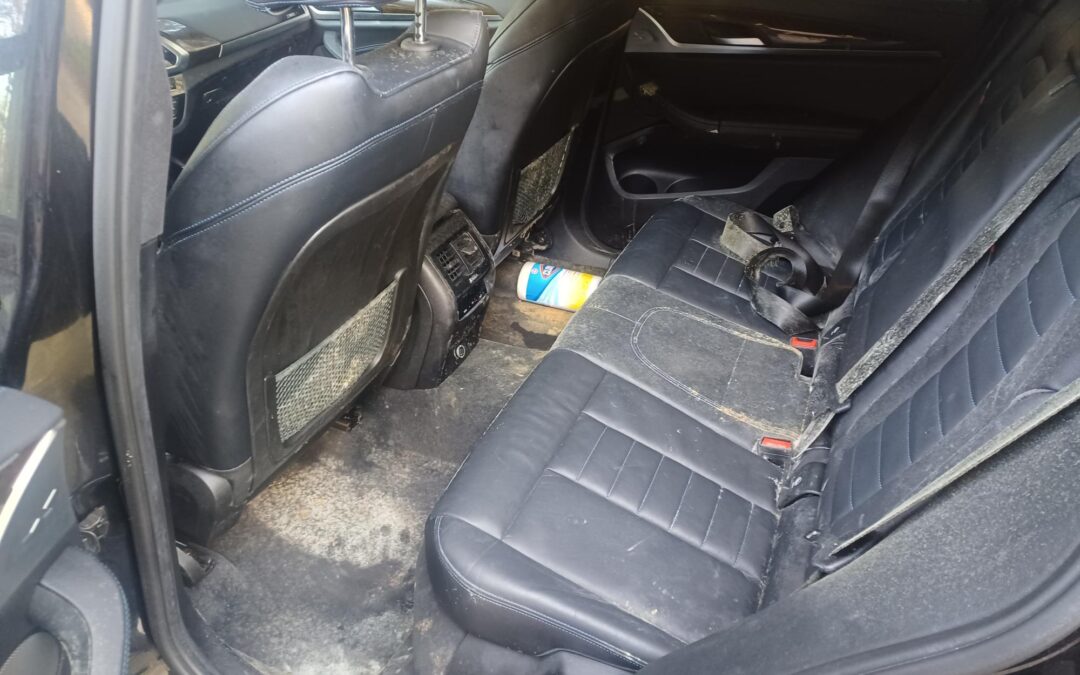
  7. Addressing existing mold issues: If you discover mold in your classic car, it's essential to address the issue promptly. Start by identifying and fixing any moisture sources, and then clean the affected areas with a mold-killing solution. For severe cases, professional mold remediation services may be necessary to ensure the problem is fully resolved.

Conclusion: Protecting your classic car from mold is a crucial aspect of maintaining its value and condition. By implementing these expert recommendations, you can prevent mold growth and ensure that your prized possession remains a timeless treasure for years to come.

Top of Form


The Latest Medical Treatments for Mold Exposure

The Latest Medical Treatments for Mold Exposure

The Latest Medical Treatments for Mold Exposure: A Complete Recovery Guide

If you've been dealing with persistent fatigue, brain fog, chronic sinus infections, or unexplained respiratory issues, mold exposure could be the hidden culprit — and you're far from alone. Millions of Americans experience mold toxicity symptoms every year, yet many go undiagnosed for months or even years. The good news? Medical science has made remarkable strides in mold exposure treatment, giving patients more effective options than ever before.

Whether you're recovering from a flooded home, a water-damaged vehicle, or a workplace with hidden mold, this guide breaks down the most current diagnostic tools, evidence-backed treatments, and holistic recovery strategies available today.


What Is Mold Exposure — And Why Does It Matter?

Mold is a type of fungus that thrives in warm, damp, and humid environments. Common indoor offenders include Aspergillus, Cladosporium, and the notorious Stachybotrys chartarum — better known as black mold. Exposure happens through inhaling airborne spores, skin contact, or in rare cases, ingesting contaminated materials.

According to the CDC, mold exposure can cause a wide range of health effects depending on the individual's sensitivity and the duration of exposure. Mold exposure symptoms in adults typically include:

  • Nasal congestion and chronic sinus infections
  • Persistent coughing or wheezing
  • Skin rashes and eye irritation
  • Fatigue, brain fog, and difficulty concentrating
  • Headaches and joint pain
  • In severe cases: neurological symptoms and chronic inflammatory response syndrome (CIRS)

People with asthma, allergies, or compromised immune systems face the highest risk. But even healthy individuals can develop serious mold toxicity symptoms after prolonged or high-level exposure. The EPA confirms that there is no "safe" level of toxic mold exposure, making early treatment critical.


The First Step: Getting an Accurate Diagnosis

Effective mold illness treatment starts with proper diagnosis. Many of these symptoms overlap with other conditions, which is why mold exposure is frequently misdiagnosed. Fortunately, diagnostic medicine has advanced significantly.

Biomarker and Mycotoxin Testing

Specialized labs now offer blood, urine, and nasal swab testing that can detect specific mycotoxins — the toxic byproducts produced by mold — including ochratoxins, aflatoxins, and trichothecenes. These tests give clinicians a concrete picture of your toxic load and guide personalized treatment plans.

Genomic Testing for CIRS

Some individuals carry an HLA-DR gene variant that makes them genetically unable to process and eliminate mold toxins efficiently. This genetic susceptibility is often at the root of Chronic Inflammatory Response Syndrome (CIRS) — a debilitating, multi-system illness triggered by mold. The International Society for Environmentally Acquired Illness (ISEAI) offers resources for finding clinicians trained in CIRS diagnosis and the Shoemaker Protocol.

Advanced Imaging

High-resolution CT and MRI scans can identify fungal infections, inflammation, or structural damage in the sinuses, lungs, or brain — all potential complications of long-term mold exposure.


Cutting-Edge Mold Exposure Treatment Options

Once diagnosed, your doctor will typically recommend a combination of treatments tailored to your specific symptoms and the severity of your exposure. Here's what the latest research and clinical practice looks like.

1. Antifungal Medications

For cases involving active fungal infection — not just an inflammatory reaction — antifungal medications are the frontline defense. Newer options include:

  • Isavuconazole (Cresemba): FDA-approved for invasive aspergillosis and mucormycosis, with a more favorable side-effect profile than older drugs like amphotericin B.
  • Liposomal Itraconazole: An improved formulation with better absorption and fewer gastrointestinal issues than the traditional version.

Your prescribing physician can evaluate which antifungal is appropriate based on the specific mold species identified and your health profile.

2. Mycotoxin Binders — The Core of Detox

One of the most talked-about areas in how to detox from mold exposure is the use of binders — agents that latch onto mycotoxins in the gut and help the body excrete them before they're reabsorbed.

  • Cholestyramine: Originally a cholesterol-lowering resin, this prescription binder has become a staple in mold toxicity protocols. It's been extensively studied by Dr. Ritchie Shoemaker in the context of CIRS treatment. (Learn more about cholestyramine and CIRS)
  • Activated Charcoal & Bentonite Clay: Natural, widely available binders often used as adjunct therapy. Best taken away from meals and medications.
  • Welchol (Colesevelam): A newer, better-tolerated alternative to cholestyramine that some physicians now prefer.

Important: Always work with a physician before starting any binder protocol. Binders can interfere with the absorption of medications and nutrients.

3. Nasal and Sinus-Targeted Therapies

The sinuses are often the first and most persistently affected area in mold illness. Mold allergy treatment for the sinuses has advanced considerably:

  • Compounded antifungal nasal sprays containing amphotericin B or itraconazole can directly target fungal colonization in the nasal passages.
  • Xylitol saline rinses disrupt mold biofilms in the sinuses and support healthy mucosal function.
  • Functional endoscopic sinus surgery (FESS) may be recommended in severe cases of fungal sinusitis that don't respond to conservative treatment.

4. Hyperbaric Oxygen Therapy (HBOT)

HBOT involves breathing 100% pure oxygen inside a pressurized chamber. This dramatically increases oxygen delivery to tissues, which can be transformative for mold-exposed patients. Research published on PubMed suggests HBOT can enhance immune response against fungal pathogens, accelerate tissue repair, and reduce neurological inflammation linked to mold toxins.

5. IV Nutrient Therapy

Intravenous therapy bypasses the digestive system entirely, delivering therapeutic agents directly into the bloodstream for maximum effect. The most commonly used protocols in mold exposure recovery include:

  • High-dose Vitamin C: A powerful antioxidant that reduces systemic inflammation and supports immune function.
  • Glutathione Infusions: Often called the body's "master detoxifier," glutathione is produced by the liver and plays a central role in neutralizing mycotoxins. Mold-exposed patients frequently have depleted glutathione levels.
  • Myers' Cocktail: A blend of B vitamins, magnesium, and vitamin C shown to support energy and immune resilience.

6. Immunotherapy for Mold Allergy

For patients whose primary struggle is allergic — rather than toxic — mold can be addressed through sublingual or subcutaneous immunotherapy (allergy shots). The American Academy of Allergy, Asthma & Immunology (AAAAI) notes that immunotherapy can significantly reduce the immune system's overreaction to mold allergens over time, offering lasting relief to those with chronic mold allergy symptoms.


Holistic and Supportive Approaches That Accelerate Recovery

Conventional treatment works best when paired with smart lifestyle support. Think of these as the foundation that makes everything else more effective.

Nutrition: Eat to Detox

An anti-inflammatory diet is non-negotiable during mold recovery. Prioritize:

  • Colorful vegetables and leafy greens (high in antioxidants)
  • Omega-3 rich foods like wild salmon, walnuts, and flaxseed
  • Fermented foods and quality probiotics to restore gut flora — which mold toxins often devastate
  • Avoid: sugars, refined carbs, and alcohol, which feed fungal growth and worsen inflammation

Infrared Sauna

Sweating is one of the body's natural detox mechanisms. Infrared saunas penetrate deeper into tissue than traditional saunas and have been shown to support mycotoxin elimination through the skin. Even 3–4 sessions per week at moderate temperatures can make a measurable difference in how patients feel during recovery.

Adaptogenic Herbs and Liver Support

Herbs like milk thistle (silymarin), ashwagandha, and rhodiola support adrenal and liver function — both of which take a beating during prolonged mold toxicity. Always discuss herbal supplementation with your provider, especially if you're on prescription medications.


Stopping Re-Exposure: The Treatment Step Most People Miss

Here's an often-overlooked truth: no treatment protocol will work if you're still being exposed to mold. Identifying and eliminating the source is non-negotiable.

  • Use ERMI (Environmental Relative Moldiness Index) or HERTSMI-2 DNA-based testing to precisely identify mold species in your home, car, or workplace.
  • Invest in a quality HEPA air purifier with a high CADR rating for your living space.
  • Address the moisture source — mold always follows water.
  • Consider professional remediation for any significant contamination. (And yes — cars are a major, frequently overlooked source of mold exposure.)

Finding the Right Specialist

Not all physicians are trained in mold-related illness. Look for practitioners familiar with:

  • The Shoemaker Protocol for CIRS
  • Functional or integrative medicine physicians who take a whole-body approach
  • Allergists and immunologists for allergy-driven cases
  • Pulmonologists if respiratory complications are prominent

The ISEAI provider directory is an excellent starting point for finding a clinician experienced in environmentally acquired illness.


The Bottom Line

Mold exposure treatment is not one-size-fits-all — but it is absolutely achievable with the right approach. The combination of accurate diagnostics, targeted medical treatment, smart nutrition, and rigorous source elimination gives patients a real path to recovery. If you suspect mold is behind your unexplained symptoms, don't wait. The longer you remain exposed, the more complex treatment becomes.

And remember — mold doesn't just live in walls. It lives in cars, boats, RVs, and any enclosed space that's experienced moisture. If your health issues seem tied to time spent in your vehicle, that's worth investigating too.


Have questions about mold in your car or vehicle? The team at Car Mold Guys specializes in professional auto mold remediation across Georgia. Reach out for a free consultation.

Protective Gear for Mold Remediation

Protective Gear for Mold Remediation

Mold Remediation Protective Gear: The Complete Safety Guide

Mold doesn't wait, and neither should your protection. Whether you're a homeowner discovering a patch of black mold behind the bathroom wall or a professional technician tackling a heavily contaminated vehicle interior, wearing the right mold remediation protective gear isn't optional — it's the difference between a job well done and a serious health crisis.

Mold spores become airborne the moment you disturb a colony. Once airborne, they can enter your lungs, settle on your skin, and irritate your eyes in a matter of seconds. According to the Centers for Disease Control and Prevention (CDC), mold exposure can trigger respiratory illness, allergic reactions, and in sensitive individuals, serious long-term health complications.

This guide covers every piece of PPE for mold remediation you need — from the respirator on your face to the boot covers on your feet — and explains why each item matters.


Why Mold Remediation PPE Is Non-Negotiable

Before we get into the gear list, let's be clear about what you're protecting yourself from.

Mold colonies release two types of threats: spores (microscopic reproductive particles) and mycotoxins (toxic chemical compounds produced by certain mold species like Stachybotrys chartarum, commonly called black mold). Both can enter the body through inhalation, skin contact, and eye exposure during active remediation work.

The EPA's mold remediation guidelines recommend full PPE for any job involving more than 10 square feet of mold growth — a threshold that professionals routinely exceed. OSHA's guidance on mold further outlines respiratory and dermal protection requirements for workers in remediation environments.

Bottom line: the gear below isn't overkill. It's the baseline.


The Complete Mold Remediation Protective Gear List

1. Respiratory Protection — Your Most Critical Line of Defense

If you only invest in one piece of mold remediation safety equipment, make it the respirator.

For small, contained jobs (under 10 sq. ft.): An N95 disposable respirator filters out at least 95% of airborne particles, including most mold spores. Look for NIOSH-approved N95 masks with a nose clip for a proper seal. These are a solid starting point for homeowners handling minor mold issues.

For professional-grade mold removal: Step up to a half-face or full-face respirator fitted with P100 (HEPA) filters. P100 filters are rated to block 99.97% of airborne particles — virtually the same filtration level as a true HEPA filter — and they provide vastly superior protection when you're disturbing large mold colonies. Brands like 3M and Moldex produce reliable half-face respirators widely used by remediation professionals.

Pro tip: A respirator is only as good as its seal. Facial hair, improper sizing, or a poorly fitted mask can reduce effectiveness by 50% or more. Always perform a seal check before entering a mold-affected area.


2. Eye Protection — Seal Out Spores, Not Just Debris

Standard safety glasses won't cut it here. Mold spores are microscopic — they'll float right through the gaps around an open-frame pair of glasses and settle directly on your eyes.

For mold remediation, you need indirect-vent chemical splash goggles that form a complete seal around the eye socket. Look for the ANSI Z87.1 rating, which indicates impact and splash protection. Avoid any goggle with direct ventilation holes — those perforations are an open invitation for airborne spores.

If you're wearing a full-face respirator, the facepiece handles eye protection as well, eliminating the need for a separate goggle.


3. Gloves — Barrier Protection for Every Chemical and Colony

Your hands are the most direct point of contact during mold remediation, which means chemical-resistant gloves are essential — not just for mold contact, but for the cleaning agents (bleach, EPA-registered biocides, encapsulants) used during treatment.

The best glove materials for mold remediation PPE:

  • Nitrile gloves — Excellent chemical resistance, puncture-resistant, latex-free. Ideal for most remediation work.
  • Neoprene gloves — Strong resistance to a wider range of chemicals; a great choice when using stronger solvents.
  • Thick rubber (butyl) gloves — Best for heavy chemical exposure; less dexterous but maximum protection.

Regardless of material, gloves should extend past the wrist and ideally overlap the sleeve of your coverall. Never reuse disposable gloves — double-bag and discard them in the contamination zone before exiting.


4. Protective Clothing — Cover Every Inch of Skin

Mold spores cling to fabric. If you walk out of a contaminated area in your street clothes, you're carrying the contamination with you — into your car, your home, and around your family.

Disposable Tyvek coveralls are the gold standard for mold remediation protective clothing. Tyvek (a DuPont-manufactured flash-spun polyethylene fabric) is:

  • Lightweight and breathable enough for extended wear
  • Resistant to liquid splash and particulate penetration
  • Affordable enough to discard after each job — eliminating cross-contamination risk

Look for coveralls with elasticized wrists, ankles, and a zip-front closure to prevent gaps. If a hood is not attached, add a separate disposable hood (see below).

For smaller, contained jobs, long-sleeved clothing that gets immediately bagged and washed works as a secondary option — but disposable is always preferable when dealing with active mold.


5. Footwear Protection — Don't Track Contamination Out

Mold remediation environments are often damp, which creates two problems: slip hazards and porous surfaces that can harbor spores on your shoes.

Use waterproof, rubber-soled boots as your base footwear, then cover them with disposable shoe covers (boot booties) before entering the contamination zone. Remove the covers before crossing into clean areas, turn them inside-out to contain captured spores, and discard them in a sealed waste bag.

This two-layer approach — solid boot underneath, disposable cover on top — prevents spore transfer and keeps your permanent footwear uncontaminated.


6. Head and Hair Protection

Mold spores will settle on hair just as readily as they settle on clothing. A disposable non-woven hood (often sold as a "hair bonnet" or "cleanroom hood") keeps spores off your scalp and out of your hair. Many Tyvek coverall suits come with an integrated hood — if yours doesn't, add one.

This step is easy to skip and equally easy to regret. Nobody wants to realize they've been spreading contamination home via their hair.


7. Hearing Protection (Situation-Dependent)

Not every mold job requires ear protection, but if your remediation process involves industrial HEPA vacuums, air scrubbers, or dehumidifiers running at full capacity in a confined space, prolonged noise exposure becomes a real concern.

OSHA's hearing conservation standards recommend protection at 85 dB or above over an 8-hour shift. Foam earplugs (NRR 29+) or over-ear earmuffs work well in these situations and are inexpensive to keep in your kit.


Proper Disposal: Don't Undo Your Hard Work

All the protective gear in the world won't help if you contaminate clean areas while removing it. Follow this exit protocol every time:

  1. Remove shoe covers in the contamination zone and seal them in a waste bag.
  2. Remove the Tyvek coverall by rolling it inside-out from the top down — this traps any surface spores inside the suit.
  3. Remove gloves last, using the glove-in-glove technique (peel the first glove off, hold it in the gloved hand, then peel the second glove off over the first).
  4. Bag everything in 6-mil poly contractor bags, seal with tape, and label as mold-contaminated waste.
  5. Dispose of the N95 or replace P100 filter cartridges per the manufacturer's schedule.

Reusable respirator facepieces should be wiped down with a disinfectant wipe after each use.


Building Your Mold Remediation PPE Kit

Here's a quick checklist for outfitting yourself for a professional-level mold remediation job:

  • P100 half-face or full-face respirator (or N95 for minor jobs)
  • Indirect-vent chemical splash goggles (if not using full-face respirator)
  • Nitrile or neoprene gloves (wrist-length or longer)
  • Disposable Tyvek coveralls with elasticized wrists and ankles
  • Disposable shoe covers
  • Waterproof rubber boots
  • Disposable hood (if not integrated into coverall)
  • 6-mil poly waste bags for contaminated gear disposal
  • Foam earplugs or earmuffs (for noisy equipment)

When to Call a Mold Remediation Professional

DIY protective gear is appropriate for contained, minor mold situations. However, if you're dealing with:

  • Mold covering more than 10 square feet (EPA threshold for professional remediation)
  • HVAC system contamination (which can spread spores through an entire building or vehicle)
  • Black mold (Stachybotrys) or other toxigenic species
  • Mold after flooding or sewage backup

...then the safest call is a certified mold remediation professional. Professionals carry industrial-grade equipment, carry proper insurance, and follow IICRC S520 Standard for Professional Mold Remediation protocols that go well beyond what consumer PPE can support.


The Bottom Line

Mold doesn't give you a warning before it hits your lungs or triggers a reaction. The right mold remediation protective gear — worn correctly and disposed of properly — is what separates a safe, effective cleanup from one that creates new health problems on top of the ones you started with.

Equip yourself right, work smart, and when the job is too big, don't hesitate to call in the professionals.


Have questions about mold remediation safety or need professional mold removal services? Contact our team — we're here to help.

How Vast is the Mold World

How Vast is the Mold World

The Vast World of Mold: How Many Types Exist and Why It Matters

Mold is one of the most successful organisms on the planet. It thrives in rainforests and glaciers, on bread left on the counter, inside walls soaked by a slow leak — and yes, inside the interior of your car. If you've ever wondered exactly how many types of mold exist and why it matters to you as a homeowner or vehicle owner, you're in the right place.

The short answer is staggering: scientists have identified over 100,000 known mold species, and researchers believe the real number could reach 300,000 to 500,000 species once undiscovered fungi are classified. Understanding this diversity isn't just a science lesson — it's practical knowledge that can protect your health, your home, and your vehicle.


What Exactly Is Mold?

Mold belongs to the kingdom Fungi, making it neither a plant nor an animal. It reproduces by releasing microscopic mold spores into the air, which then land on surfaces and germinate whenever moisture, warmth, and organic material are present. That combination — moisture, warmth, and something to feed on — is exactly why your car's interior, your bathroom ceiling, and your basement walls are all at risk.

According to the Centers for Disease Control and Prevention (CDC), mold can begin growing indoors within 24 to 48 hours of a moisture event. That tight window is why rapid response matters so much when dealing with water intrusion — whether from a flood, a leaky roof, or a forgotten spilled drink in a vehicle.


How Many Types of Mold Are There?

The honest answer is: more than we've counted. Mycologists — scientists who specialize in the study of fungi — continue discovering new mold species every year, particularly in under-explored environments like tropical rainforests, deep ocean sediments, and isolated cave systems.

Thanks to advances in DNA sequencing and genetic analysis, researchers can now distinguish between mold species that are visually identical. A colony that once appeared to be a single species may actually consist of several distinct organisms. This means the estimated number of mold species will likely keep climbing as technology improves.

Here's what we know today:

  • 100,000+ mold species have been formally identified and documented
  • 300,000–500,000 is the current scientific estimate of total existing mold species
  • Fewer than 200 species are considered significant threats to human health or structural materials
  • Thousands of species play beneficial roles in ecosystems, medicine, and food production

For more on the scope of fungal biodiversity, the Society for General Microbiology and MycoBank maintain ongoing databases tracking newly described fungal species.


The Most Common Types of Mold Found Indoors

While the full universe of mold is enormous, a relatively small group of genera dominates the indoor environment — showing up in homes, offices, and vehicles alike. Here are the common household mold types you're most likely to encounter:

1. Aspergillus

One of the most widespread molds on Earth, Aspergillus includes over 200 individual species. Many are harmless and used in food production — Aspergillus oryzae, for example, is essential for making soy sauce and miso. However, some species, particularly Aspergillus fumigatus and Aspergillus flavus, can cause serious respiratory infections in people with weakened immune systems. Aspergillus commonly grows on dust, stored food, and building materials, and thrives in both hot and cool climates.

2. Penicillium

Penicillium is perhaps the most famous genus in the fungal kingdom — it's the source of penicillin, the world's first antibiotic, discovered by Alexander Fleming in 1928. In indoor environments, however, Penicillium is a common nuisance mold that colonizes water-damaged materials, leather goods, paper, and fabric. It spreads rapidly and is a frequent culprit in musty odors inside homes and vehicles.

3. Cladosporium

Cladosporium is one of the most commonly detected indoor mold types in air quality testing. Unlike many molds, Cladosporium can grow in cooler temperatures, making it a year-round concern. It typically appears as an olive-green or brown powdery coating on wood, fabrics, carpet, and HVAC ducts. It is a known allergen and can trigger asthma symptoms and allergic rhinitis.

4. Stachybotrys chartarum — "Black Mold"

No mold identification discussion is complete without addressing Stachybotrys chartarum, commonly known as black mold or toxic mold. This dark greenish-black mold requires extremely wet conditions to grow and is most often found on cellulose-rich materials like drywall, ceiling tiles, and wood that have been repeatedly or chronically water-damaged.

Stachybotrys produces mycotoxins — chemical compounds that can cause mold health risks including respiratory irritation, neurological symptoms, and immune suppression with prolonged exposure. The EPA's Indoor Air Quality guidance recommends professional remediation for any significant black mold growth.

5. Alternaria

Alternaria is primarily an outdoor mold but easily finds its way indoors through open windows, doors, and air intakes. It grows on plants, soil, and decaying organic matter outdoors, and can colonize showers, window sills, and anywhere with moisture accumulation indoors. Alternaria is one of the most potent mold allergen sources and is strongly associated with asthma attacks, especially in children.

6. Chaetomium

Less talked about than the others, Chaetomium deserves mention because it is a reliable indicator of severe water damage. It tends to appear after Stachybotrys in chronically wet environments and produces a musty, earthy odor. It has also been linked to mold health risks in immunocompromised individuals, including rare but serious infections.


Mold in Cars: A Unique and Often Overlooked Problem

While most mold growth discussions focus on homes, vehicles present a uniquely challenging environment for mold. Car interiors combine three mold-friendly conditions: enclosed space, humidity (from breath, wet clothing, or spilled drinks), and organic materials like fabric, leather, and carpet padding.

Mold in cars can grow alarmingly fast — within as few as 24–48 hours following a significant moisture event like a flood, a sunroof leak, or even a forgotten wet umbrella. The most common mold species found in vehicles include Cladosporium, Penicillium, and Aspergillus — the same genera that dominate home environments.

The challenge with car mold removal is that spores don't just sit on the surface. They penetrate deep into seat foam, carpet backing, and the HVAC system, meaning a surface wipe-down rarely solves the problem. Professional mold remediation for vehicles involves HEPA vacuuming, application of EPA-registered fungicidal treatments, treatment of the HVAC system, and odor elimination using tools like hydroxyl generators or chlorine dioxide.

If you're noticing a musty or earthy smell inside your vehicle — even if you can't see visible mold growth — that odor is likely from microbial volatile organic compounds (MVOCs), chemical byproducts released by active mold colonies. Don't ignore it; mold rarely resolves on its own once established.


Where Else Does Mold Grow?

The diversity of mold species is matched only by the diversity of environments they can colonize. Beyond homes and vehicles, mold thrives in some surprising places:

  • Glaciers and polar ice — Psychrophilic (cold-loving) molds survive near-freezing temperatures
  • Deep-sea environments — Researchers have recovered mold species from sediments thousands of meters below the ocean surface
  • Deserts — Some species are drought-resistant and activate rapidly when rare moisture events occur
  • Nuclear disaster sites — Radiotrophic fungi have been found thriving in the Chernobyl exclusion zone, apparently using radiation as an energy source

This adaptability is precisely why mold prevention is an ongoing effort rather than a one-time fix.


Why Mold Diversity Actually Benefits the World

It would be easy to read about mold purely through the lens of mold health risks and mold removal, but the bigger picture is more nuanced. The overwhelming majority of mold species are ecologically beneficial:

Decomposition and Nutrient Cycling: Molds are nature's recyclers, breaking down dead organic matter — fallen leaves, wood, animal remains — and returning nutrients to the soil. Without this process, ecosystems would be buried in organic debris.

Medicine: Beyond penicillin, molds have yielded lovastatin (a cholesterol-lowering drug), cyclosporine (an immunosuppressant used in organ transplants), and compounds being studied for cancer treatment.

Food and Fermentation: Aspergillus oryzae ferments soy sauce, sake, and miso. Penicillium roqueforti creates blue cheese. Aspergillus niger produces citric acid used in virtually every carbonated beverage.

Bioremediation: Some molds can break down environmental pollutants, including oil, pesticides, and heavy metals — a field researchers are actively exploring as a tool for cleaning contaminated soil and water.


The Future of Mold Research

The field of mycology is one of the most rapidly evolving areas of biology. Genetic tools continue to reveal that organisms previously classified as a single mold species are actually multiple distinct species — a process called "cryptic species discovery." Every new environment studied — from the human microbiome to deep subsurface rock formations — tends to yield mold species previously unknown to science.

Resources like the Global Biodiversity Information Facility (GBIF) track fungal species discoveries in real time, and citizen science platforms allow everyday people to contribute observations that help researchers map the global distribution of mold species.


Key Takeaways

The world of mold is vast, complex, and perpetually fascinating. Here's what's worth remembering:

  • Over 100,000 mold species are known, with hundreds of thousands more likely undiscovered
  • A handful of genera — Aspergillus, Penicillium, Cladosporium, Stachybotrys, and Alternaria — account for the majority of indoor mold problems
  • Mold thrives anywhere moisture, warmth, and organic material converge — including inside your vehicle
  • The musty smell in a car or home is often the first sign of active mold growth, even before it's visible
  • Most mold species are ecologically beneficial; only a subset poses risks to human health or property
  • Professional mold remediation — not surface cleaning — is the appropriate response to established mold colonies

If you suspect mold in your vehicle or need expert guidance on car mold removal, don't wait. The longer mold is left untreated, the deeper it penetrates and the more difficult it becomes to eliminate completely.


Have questions about mold in your car? Contact our team for a professional assessment. We serve the entire Southeeast with expert mobile mold remediation services.


Call Today!