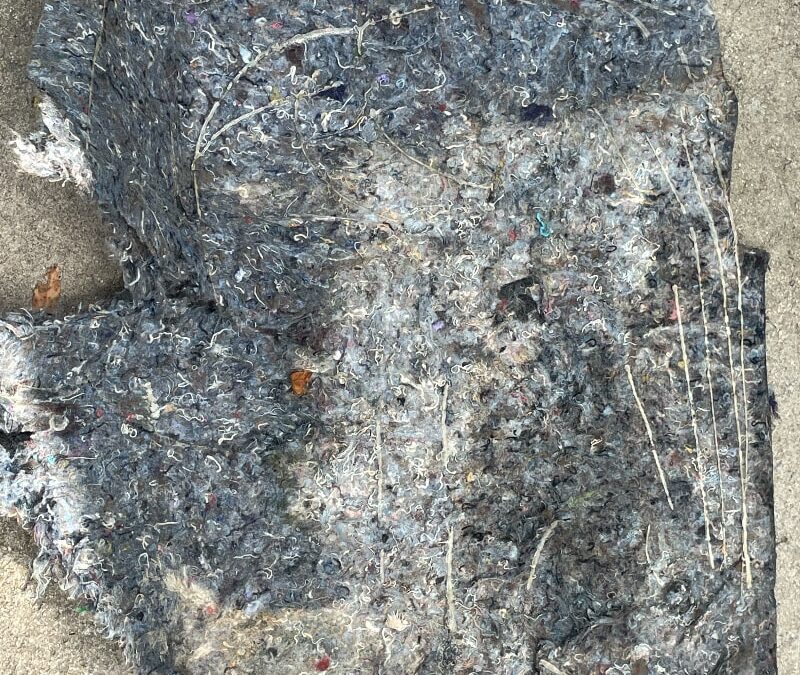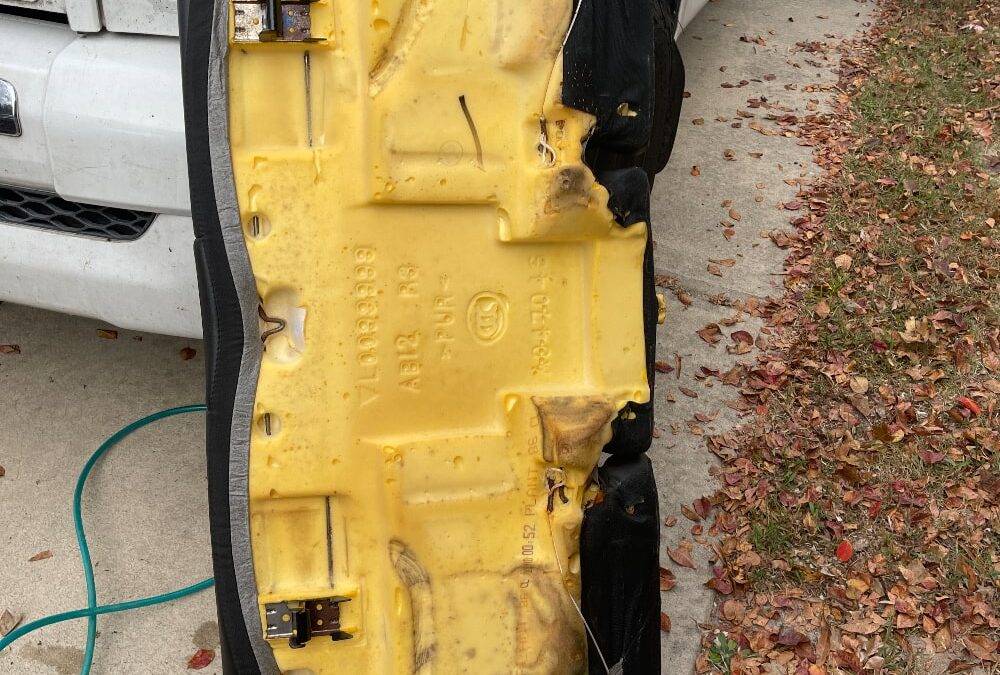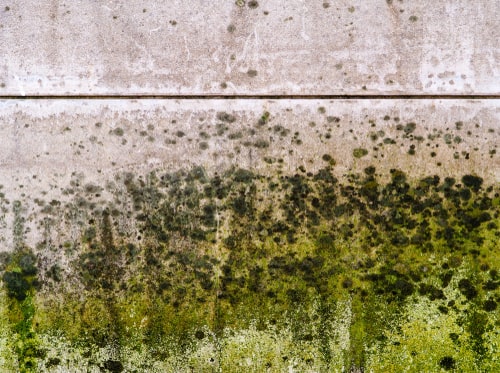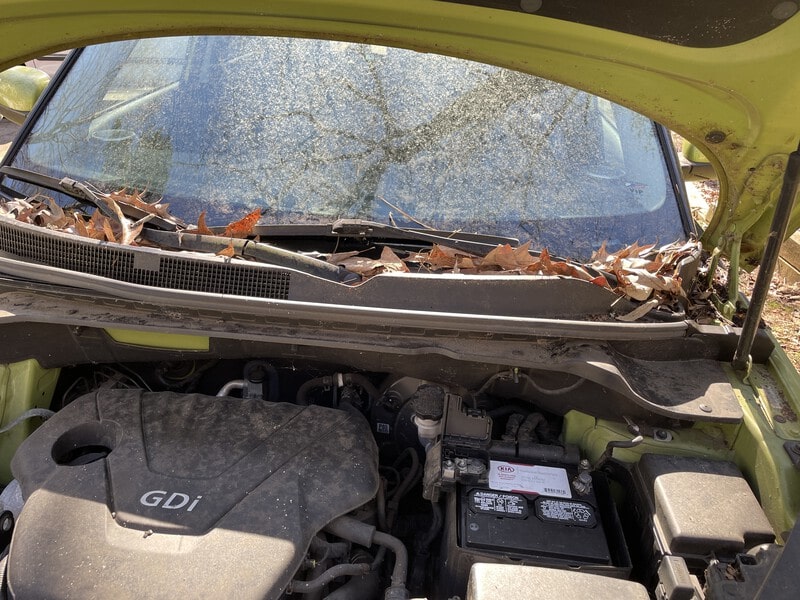
What Causes Cowl Water Leaks?

What Causes Cowl Water Leaks?

Cowl Water Leaks: Causes, Signs, and How to Fix Them Before Mold Takes Over

A slow drip you ignore today can turn into a mold-infested interior tomorrow. Cowl water leaks are one of the sneakiest — and most damaging — water intrusion problems a vehicle owner can face. They start silently, hide under carpets, and by the time you smell something musty or notice wet floor mats, the damage is already done.

In this guide, we're breaking down everything you need to know about cowl water leaks: what causes them, how to catch them early, how to fix them yourself or with a pro, and — critically — how to make sure water damage doesn't turn into a full-blown car mold problem.


What Is the Cowl Area?

Before we dive into leaks, let's talk anatomy. The cowl is the panel at the base of your windshield, between the hood and the bottom of the glass. It's designed to channel rainwater away from your engine bay and cabin through a series of drain channels that route water safely to the ground.

It's an ingenious system — when it works. When it doesn't, you're looking at one of the most common sources of interior water damage on the road today.


What Causes a Cowl Water Leak?

Understanding the root cause is the first step toward a lasting repair. There are four primary culprits behind a cowl panel water leak:

1. Clogged Cowl Drain Channels

This is the number one cause — and the most preventable. Leaves, pine needles, dirt, and debris accumulate in the cowl tray over time, eventually blocking the drain outlets completely. When those drains are clogged, rainwater has nowhere to go. It pools, backs up, and finds the path of least resistance — which is usually into your cabin through HVAC vents, firewall seams, or floor pan gaps.

If you live somewhere with heavy tree coverage or seasonal leaf fall, your cowl drains need regular attention. The Family Handyman has a solid overview of how to locate and clear cowl drains yourself.

2. Deteriorated Seals and Gaskets

The cowl area is lined with rubber seals and foam gaskets that keep water out of the seams between panels. Over time — especially in vehicles exposed to heat cycles, UV radiation, and age — these seals crack, harden, or shrink. Once the seal fails, there's nothing stopping water from migrating along the body seams and into the interior.

This is particularly common in vehicles over 10 years old or those parked outdoors year-round.

3. Damaged or Improperly Installed Cowl Panel

A cowl panel that's been cracked by a minor collision, warped by heat, or improperly reinstalled after body work is a direct water intrusion point. Even a small gap or misalignment in the panel can funnel significant amounts of water into places it should never reach.

If your vehicle has had front-end body work done, this should be one of the first places you inspect for a water leak into the car.

4. Faulty Windshield Sealing

The windshield and cowl work as a system. If your windshield was recently replaced and wasn't properly sealed, or if the original urethane seal has aged and cracked, water can bypass the cowl entirely and run directly into the cabin along the base of the glass. The Auto Glass Safety Council provides guidance on proper windshield installation standards — it's worth knowing what a proper install looks like before you trust a low-bid replacement shop.


Warning Signs of a Cowl Water Leak

Cowl leaks are slow and subtle at first. Here's what to look for:

Wet Carpets or Floor Mats Water pooling on the driver's or passenger's side floor — especially after rain — is a classic sign. Don't just dry it out and move on. Find the source.

Foggy Windows That Won't Clear Excess moisture trapped inside the cabin raises humidity levels, causing persistent window fogging that no amount of defrost seems to fix for long.

Musty or Mildew Smell This is the warning sign most people notice first. That distinctive musty odor in your car is almost always mold or mildew growing in wet carpet padding, under seats, or inside your headliner. By the time the smell is noticeable, mold colonies have likely already established.

Water Stains on Interior Panels Check the lower A-pillar trim, the kick panels, and the carpet edges near the firewall. Rust-colored water stains or tide marks indicate ongoing water intrusion.

Electrical Gremlins Water and wiring don't mix. Cowl leaks that go unaddressed can cause intermittent electrical faults — flickering dash lights, blown fuses, malfunctioning sensors — especially in vehicles where wiring harnesses run through the firewall near the cowl.


How to Fix a Cowl Water Leak: Step-by-Step

Step 1 — Clear the Cowl Drain Channels

Remove any plastic covers or windshield wiper arms to access the cowl tray. Clear out all debris by hand and then flush the drain outlets with a garden hose. You should see water draining freely out from underneath the vehicle. If it backs up, use a flexible plumber's snake or compressed air to clear the blockage.

Step 2 — Inspect and Replace Deteriorated Seals

With the cowl tray exposed, inspect the foam and rubber seals along all seams and edges. Press on them — they should be soft and pliable. If they crumble, crack, or show obvious gaps, replace them. Self-adhesive foam weatherstripping from any auto parts store works well for minor seal repairs. For more complex seam sealing, an automotive-grade polyurethane sealant like 3M's Auto Seam Sealer is a reliable choice.

Step 3 — Check the Cowl Panel Itself

Look for cracks, warping, or misalignment. If the panel was previously removed and reinstalled, confirm it's seated correctly and all retaining clips are fully engaged. A panel sitting even a few millimeters proud of its designed position can create a channel that funnels water inward.

Step 4 — Perform a Water Test

Before closing everything back up, simulate rainfall with a garden hose and have someone watch the interior — particularly the floor, kick panels, and firewall area — for signs of water entry. This pinpoints any remaining leak paths so you can address them before buttoning up.

Step 5 — Address the Windshield Seal If Needed

Run your finger along the base of the windshield seal. If you feel gaps, cracks, or separation from the glass or pinch weld, it needs to be resealed or the windshield may need to be reinstalled entirely. This is typically a job for a professional auto glass technician.

Step 6 — Call a Professional If the Leak Persists

Some cowl leaks are straightforward. Others require a trained eye and smoke testing or UV dye to trace the exact leak path. If you've cleared the drains, replaced the seals, and the interior is still getting wet, don't keep guessing. A qualified mechanic or auto body shop can diagnose it definitively.


The Hidden Danger: Cowl Leaks and Car Mold

Here's what most repair guides don't tell you: fixing the leak is only half the battle.

Anytime water intrudes into a car's interior — even for a short period — it saturates the carpet backing, the foam padding underneath, and potentially the headliner. These materials dry very slowly and stay damp long after the surface feels dry to the touch. That prolonged moisture is the perfect breeding ground for mold and mildew inside your vehicle.

Car mold isn't just unpleasant. Mold spores circulate through your HVAC system and into the air you breathe every time you drive. For people with allergies, asthma, or sensitivities, that's a genuine health concern — not just a nuisance.

Once mold is established in a vehicle's interior, surface cleaning alone rarely solves the problem. Effective car mold remediation requires removing contaminated materials, applying professional-grade antimicrobial treatments, and in some cases using chlorine dioxide or hydroxyl generation to eliminate airborne spores and the VOCs (volatile organic compounds) mold produces.

If your vehicle has had standing water on the floor or a persistent musty odor following a cowl leak, it's worth having a professional auto mold inspection before you just mask the smell with an air freshener.


How to Prevent Cowl Water Leaks

Prevention is always cheaper than repair. A few simple habits go a long way:

  • Clean your cowl tray at least twice a year — spring and fall are the most important times, especially if you park near trees.
  • Inspect cowl and windshield seals annually, particularly before the rainy season.
  • After any front-end body work, confirm the cowl panel was properly reinstalled before accepting the vehicle back.
  • Park in covered areas when possible to reduce cumulative weather exposure on seals and gaskets.
  • Address any musty smells immediately — don't wait to see if it resolves on its own. It won't.

Final Thoughts

A cowl water leak starts small and silent. But water is patient, and given enough time and enough dampness, it will degrade your carpet, rust your floor pans, corrode your wiring, and cultivate a mold problem that's far more expensive to fix than the original leak ever was.

Catch it early, fix it properly, and make sure the interior damage that came with it is fully addressed — not just dried out and forgotten. Your health, your vehicle's longevity, and your resale value all depend on it.


Dealing with mold or a musty smell after a water leak? Car Mold Guys specializes in professional auto mold remediation across Georgia. We find it, kill it, and make sure it doesn't come back.

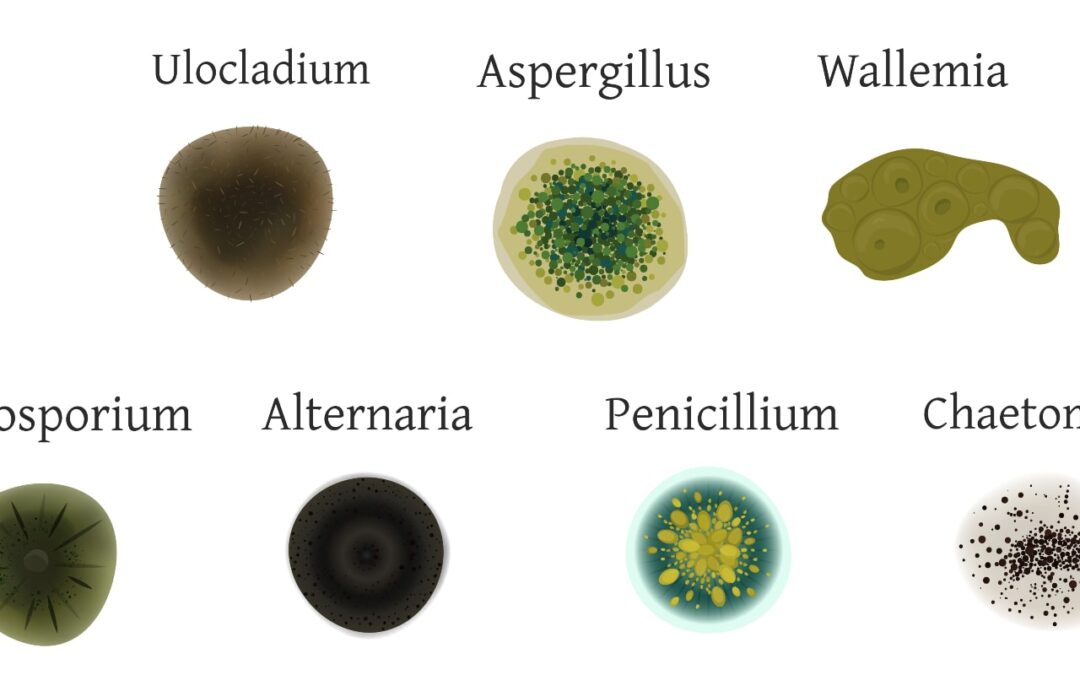
Does the color of mold determine if it’s dangerous?

Does the color of mold determine if it’s dangerous?

Does the color of mold determine if it's dangerous?

Mold colors can be quite diverse, but unfortunately, they don’t reliably indicate the specific type of mold. While it’s tempting to associate certain colors with particular molds, the truth is that mold identification is more complex. Here’s why:

  1. Color Variability:
    • Molds come in various shapes, sizes, and colors.
    • A single patch of mold can exhibit multiple colors or even change color over time due to factors like food source, humidity, and light exposure.
  2. Identifying Mold:
    • Laboratory analysis is the most accurate way to identify mold species.
    • Experts examine the structure, spores, and growth morphology under a microscope.
    • Color alone isn’t a reliable distinguishing characteristic.
  3. Common Mold Colors:
    • Green: The most common mold color. It can represent various molds, including Aspergillus, Penicillium, and Cladosporium.
    • Black: Infamous for toxic black mold, but not all black molds are toxic. Stachybotrys chartarum is the dangerous one, producing mycotoxins.
    • Alternaria: Another black-colored mold, less dangerous than Stachybotrys. It usually grows outdoors but can be found indoors.
    • Aspergillus: A common fungus that you likely breathe in daily12.
  4. Health Risks:
What’s the best way to remove mold from a car’s ventilation system

What’s the best way to remove mold from a car’s ventilation system

How to Remove Mold from Car Vents & AC System (Step-by-Step Guide)

That musty smell every time you flip on the AC isn't just unpleasant — it's a warning sign. If your car smells like a damp basement the moment the fan kicks on, there's a very good chance you're dealing with mold growing inside your vehicle's ventilation system. Left untreated, car vent mold doesn't just linger — it multiplies, spreads through your cabin air, and poses real health risks for you and your passengers.

At Car Mold Guys, we've performed hundreds of auto mold remediation services across Georgia, and car HVAC mold is one of the most common — and most underestimated — problems we see. The good news? With the right approach, it's absolutely treatable. Here's everything you need to know.


Why Mold Grows in Car Vents

Before you can fix the problem, it helps to understand why it happens in the first place. Your car's HVAC system pulls in outside air, passes it through a cabin air filter, conditions it, and pushes it through a network of ducts into your cabin. Moisture gets trapped in this process every single day — from rain, humidity, condensation from the evaporator coil, and even wet clothing or drinks inside the car.

Mold spores are naturally present in outdoor air and only need three things to colonize: a surface, moisture, and darkness. Your car's ductwork checks all three boxes. Once mold establishes itself in the evaporator or duct lining, it spreads quickly — and every time you run the fan, it blows microscopic spores directly into your breathing zone.

Common signs of mold in your car's ventilation system include:

  • A musty, earthy, or sour smell when the AC or heat is running
  • Visible dark spots near vent openings
  • Increased allergy symptoms or headaches while driving
  • A smell that worsens on recirculation mode
  • Condensation pooling on your dash or floorboards

Is Car Vent Mold Dangerous?

Short answer: yes, it can be. The EPA notes that exposure to mold — even in enclosed spaces like vehicles — can trigger respiratory issues, allergic reactions, eye irritation, and worsened asthma symptoms. In an enclosed cabin, those effects are amplified because you're breathing recirculated air at close range for extended periods.

People who are elderly, immunocompromised, pregnant, or have pre-existing respiratory conditions are especially vulnerable. That's why prompt mold remediation isn't optional — it's a health matter.


What You'll Need

Gather these supplies before you start:

  • N95 respirator mask (not just a cloth mask)
  • Safety goggles and nitrile gloves
  • Antimicrobial mold cleaning solution (look for EPA-registered products containing benzalkonium chloride or similar active ingredients)
  • A spray bottle
  • Clean microfiber cloths
  • A soft-bristle brush or detail brush
  • A wet/dry shop vacuum with a HEPA filter
  • A new cabin air filter (OEM or HEPA-grade replacement)
  • White vinegar (optional, for surfaces only — not for spraying into the blower)

Step-by-Step: How to Remove Mold from Car Vents

Step 1 — Dry Out the Vehicle First

Mold remediation done in a wet environment is a waste of time. Before you do anything else, eliminate active moisture sources:

  • Park the car in direct sunlight with all windows down for 2–4 hours
  • Pull out any wet floor mats, seat covers, or cargo and dry them separately
  • Check under seats and in the trunk for standing water, especially after heavy rain
  • If the car smells persistently damp, consider a moisture-absorbing product like DampRid placed in the cabin overnight

Only proceed once the interior is genuinely dry to the touch.

Step 2 — Suit Up and Prep Your Safety Gear

This is non-negotiable. Mold remediation — even on a small scale — disturbs spores and sends them airborne. Protect yourself:

  • Put on your N95 respirator before opening the car doors
  • Wear nitrile gloves throughout the process
  • Use safety goggles if you'll be spraying upward into vent openings
  • Crack the windows during cleaning to prevent spore buildup inside the cabin

Step 3 — Replace the Cabin Air Filter

This step should come before you run any cleaning sprays through the system — not after. Your cabin air filter is often the most contaminated component, and running the fan with a moldy filter defeats the whole process.

Most cabin air filters are located behind the glove box or under the dashboard. Consult your owner's manual or a resource like AutoZone's filter lookup tool to find your specific replacement. Bag the old filter immediately in a sealed plastic bag before removing it from the car to contain spores.

When choosing a replacement, consider upgrading to a HEPA-grade cabin filter for superior filtration going forward. Consumer Reports recommends changing cabin air filters every 15,000–25,000 miles under normal conditions — and more frequently in high-humidity climates like Georgia.

Step 4 — Apply Antimicrobial Spray Through the Intake Vents

Your car draws fresh air through the cowl intake vents — the grille-like openings at the base of your windshield, in front of the wipers. This is your access point to the HVAC system.

  • Park in a well-ventilated area (outdoors is best)
  • Set your car's fan to its highest speed and switch to fresh air mode (not recirculation)
  • Set the airflow to target the cabin vents (not the floor or defrost)
  • Spray a generous amount of your antimicrobial solution directly into the cowl intake vents
  • Let the system run for 10–15 minutes to circulate the treatment through the ducts and evaporator housing

For particularly severe cases or persistent musty odors, some professionals use chlorine dioxide vapor or hydroxyl generator treatments for deep duct decontamination — both of which are among the methods we use at Car Mold Guys for professional-grade results.

Step 5 — Clean the Visible Vent Surfaces

Once you've treated the interior of the system, address the vent surfaces you can physically reach:

  • Use a detail brush dipped in antimicrobial solution to scrub inside vent slats
  • Follow with a damp microfiber cloth to wipe away residue
  • Use a HEPA shop vac with a narrow attachment to vacuum inside the vents as far as the hose will reach
  • Repeat on all dashboard vents, rear vents, and floor vents

Pay extra attention to any vent slats with visible dark discoloration — that's active mold growth and needs direct contact treatment.

Step 6 — Treat Surrounding Interior Surfaces

Mold in the HVAC system often coincides with mold elsewhere in the cabin. Before you button everything up, do a thorough inspection:

  • Check under the seats and in seat track crevices
  • Inspect the headliner for staining
  • Look at the base of the A, B, and C pillars
  • Check the trunk and spare tire well for moisture intrusion

Clean any affected soft surfaces with an antimicrobial spray appropriate for upholstery. Hard surfaces like plastic trim can be wiped with a diluted vinegar solution or an EPA-registered mold cleaner.


When to Call a Professional

DIY mold removal works well for mild to moderate cases caught early. But there are situations where calling in a professional is the smarter move:

  • The odor returns within a few weeks of cleaning
  • You see visible mold inside the evaporator housing or deep in the ducts
  • Multiple passengers are experiencing health symptoms
  • The car has had water intrusion from flooding or a leak
  • You can smell mold but can't locate the source

At Car Mold Guys, we specialize in exactly these situations. We use professional-grade remediation techniques including MVOC odor elimination, deep evaporator coil treatment, and post-remediation encapsulants to ensure mold doesn't just get temporarily masked — it gets eliminated. We serve customers throughout Georgia with mobile service that comes to you.


Preventing Mold from Coming Back

Removal is only half the battle. Here's how to keep mold from returning:

  • Change your cabin air filter on schedule — every 15,000–20,000 miles, or annually at minimum
  • Run the AC on fresh air (not recirculation) for the last few minutes of every drive to dry out the evaporator
  • Use the defrost setting periodically — it runs the AC compressor and helps dry moisture from the system
  • Don't leave wet items in the car — wet umbrellas, towels, and gym bags are major moisture contributors
  • Park in a dry, ventilated area when possible, especially overnight
  • Get a professional inspection if you notice any water intrusion from a roof, window, or door seal leak

The Bottom Line

Mold in your car's ventilation system is one of those problems that doesn't get better on its own — it gets worse. The combination of a warm, dark, moisture-rich environment and a constant supply of incoming spores makes your HVAC system an ideal mold habitat if left unchecked. The steps above give you a solid DIY framework for mild cases, but don't hesitate to call a professional when the situation calls for it.

If you're in Georgia and dealing with persistent car mold or a stubborn musty smell you can't shake, Car Mold Guys is ready to help. We'll come to you, diagnose the source, and eliminate it — not just cover it up.


Have questions about car mold removal? Drop them in the comments below or contact us directly. We're happy to help.

What you Should Know About the Impacts of Car Mold on your Pet

What you Should Know About the Impacts of Car Mold on your Pet

What You Should Know About Car Mold and Your Pet's Health

If your dog or cat rides with you regularly, your car isn't just a vehicle — it's part of their world. But there's a hidden danger that many pet owners completely overlook: car mold. Mold growth inside vehicles is more common than most people realize, and when you factor in pet hair, damp fur, and the confined space of a car interior, the conditions for a serious mold problem can develop faster than you'd think.

Here's what every pet owner needs to know.


How Pet Hair Actually Fuels Mold Growth in Your Car

Your pet is lovable. Your pet's hair? Less so — at least when it comes to your car's interior. Pet hair contributes to mold growth in three key ways:

1. It Traps Moisture Pet hair is absorbent by nature. Whether your dog just took a swim at the lake, got caught in the rain, or climbed in with damp paws, that moisture gets locked into the fibers of your seats and carpet — and it doesn't evaporate the way you'd expect in a sealed vehicle. That lingering dampness is exactly what mold spores need to take hold and multiply.

2. It Provides Food for Mold Mold doesn't just need moisture — it needs an organic food source. Pet hair, skin dander, and dried saliva create a buffet of organic material that mold thrives on, especially in hard-to-reach spots like under seats, inside door pockets, and deep in carpet fibers.

3. It Clogs Your Ventilation System Pet hair loves air vents. When hair accumulates in your cabin air filter and ductwork, airflow is reduced and humidity builds up in pockets throughout your car's interior — another accelerant for mold growth. According to the EPA, indoor mold can begin growing within 24 to 48 hours when moisture is present on an organic surface. Your car's interior checks every box.


The Real Health Risks of Car Mold for Your Pets

This is where things get serious. Pets are not simply small humans when it comes to mold exposure — they are actually more vulnerable. Smaller body size, lower body weight, and less developed immune defenses mean that what causes minor irritation in a person can cause a genuine health crisis for a dog or cat.

The American Veterinary Medical Association (AVMA) recognizes mold as an environmental toxin that can significantly impact animal health, particularly in enclosed, poorly ventilated spaces — exactly like the inside of your car.

Here's what mold exposure can do to your pet:

Respiratory Problems

One of the most common signs of mold exposure in pets is respiratory distress. Mold spores irritate the airways, causing:

  • Persistent coughing and wheezing
  • Labored or noisy breathing
  • Frequent sneezing and nasal discharge
  • Worsening of pre-existing asthma or bronchitis

In severe or prolonged cases, mold exposure has been linked to pneumonia in dogs and cats — a potentially life-threatening condition that requires immediate veterinary care.

Allergic Skin Reactions

Just like humans can develop skin reactions to environmental allergens, so can your pets. Mold-triggered allergic dermatitis presents as:

  • Red, inflamed, or itchy skin — especially around the ears, paws, and eyes
  • Excessive scratching or biting at the skin
  • Recurring ear infections (particularly in dogs with floppy ears, where moisture easily gets trapped)

If your pet seems to itch more after car rides and you can't figure out why, mold — not just seasonal allergies — may be the culprit.

Gastrointestinal Distress

Pets groom themselves constantly. If mold spores are present on their fur after a car ride, they ingest those spores while self-cleaning. The result can be:

  • Vomiting and diarrhea
  • Loss of appetite
  • Visible signs of digestive discomfort

Neurological Symptoms: The Danger of Mycotoxins

This is the one most pet owners don't know about, and it's critical. Certain types of mold — including species commonly found in damp car interiors — produce mycotoxins, which are toxic compounds that can affect the nervous system. According to the ASPCA Animal Poison Control Center, mycotoxin exposure in pets can cause:

  • Tremors and seizures
  • Disorientation and loss of coordination
  • Sudden behavioral changes
  • Extreme lethargy or depression

If you notice any of these symptoms after your pet has been in your vehicle, this is a veterinary emergency — act immediately.

Immune System Suppression

Chronic exposure to mold, even at low levels, gradually weakens your pet's immune system. Over time, this makes them more susceptible to secondary infections, slower to recover from illness, and more vulnerable to other environmental stressors. Long-term exposure can also contribute to significant weight loss due to ongoing digestive issues.


Recognizing the Warning Signs Early

The earlier you catch it, the better. Watch for these signs of mold exposure in your dog or cat — especially if they ride in your car frequently:

  • Coughing, wheezing, or sneezing that doesn't resolve
  • Runny nose or watery eyes after car rides
  • Skin irritation, redness, or excessive grooming
  • Recurring ear infections
  • Vomiting, diarrhea, or appetite loss
  • Unusual lethargy or personality changes
  • Tremors or coordination issues (seek emergency care immediately)

If you notice any of these symptoms and suspect mold, remove your pet from the vehicle immediately and consult your veterinarian. Arrange for your pet to stay with someone else while the car is inspected and treated — continued exposure will only make symptoms worse.


How to Prevent Car Mold When You Travel with Pets

Prevention is always easier — and cheaper — than remediation. Here's how to reduce the risk:

Groom your pets before car rides. A well-brushed, clean dog sheds less hair and carries less dander. If your pet got wet, towel-dry them thoroughly before they get in the car.

Use washable seat covers and cargo liners. These create a barrier between your pet and your car's upholstery and are easy to launder regularly. Look for covers marketed specifically for pet use — they're designed to trap hair and resist moisture.

Vacuum frequently with a HEPA filter vacuum. Standard vacuums can recirculate mold spores into the air. A HEPA-filter vacuum captures spores rather than redistributing them. Don't forget under seats, in seat crevices, and along door edges.

Dry out your car after every wet trip. Leave windows slightly cracked when safe, or run the air conditioning to pull humidity out of the interior. Silica gel packs and activated charcoal bags are inexpensive and effective at absorbing residual moisture.

Replace your cabin air filter regularly. A clogged filter is one of the leading causes of poor air circulation and mold-friendly conditions inside cars. Check it every 15,000–20,000 miles, or more often if you travel with pets frequently.

Monitor interior humidity. A small, inexpensive hygrometer can be kept in your car to monitor moisture levels. Keep humidity below 50% to prevent mold from gaining a foothold.


What to Do If Mold Is Already Present

If you've spotted visible mold, noticed a musty smell that won't go away, or your pet has been showing symptoms of mold exposure — don't wait. Surface wipe-downs with household cleaners are not enough for established mold in a vehicle. Car mold works its way into foam padding, carpet backing, and HVAC systems where standard cleaning can't reach.

Professional car mold remediation is the safe, effective solution. A trained specialist will:

  • Locate hidden mold growth, including inside ventilation systems
  • Perform a deep extraction of mold from all porous surfaces
  • Apply professional-grade antimicrobial treatments
  • Test air quality to confirm the vehicle is safe
  • Address any underlying moisture sources (leaks, drainage clogs) that allowed mold to grow

Attempting DIY remediation without the right equipment often results in spreading spores rather than eliminating them — and incomplete treatment means the mold comes back.


The Bottom Line

Your pets depend on you to keep their environment safe — and that includes the car they ride in. Pet hair, moisture, and poor ventilation create a perfect storm for mold growth, and the health consequences for your dog or cat can range from irritating to genuinely life-threatening.

The good news is that with regular cleaning, proper moisture control, and professional help when needed, car mold is a completely manageable problem. Don't let it become a serious one.

Think your car might have a mold problem? Contact Car Mold Guys today for a professional inspection and remediation. We specialize in removing mold from vehicles safely and completely — so you and your pets can ride with confidence.

Can there be mold in the car that I can’t see?

Can there be mold in the car that I can’t see?

Hidden Mold in Your Car: What You Can't See Could Be Making You Sick

That faint musty smell every time you start your car? It's not your imagination — and it might not be something you can fix with an air freshener. Hidden mold in your car is one of the most overlooked health hazards on the road, and the scary part is that by the time you smell it, it's already been growing for a while.

Car mold doesn't just sit in one spot waiting to be found. It hides. It colonizes the dark, damp corners of your vehicle — places you'd never think to look — and it thrives in Georgia's hot, humid climate. If you have kids, pets, or have ever dealt with a water leak in your vehicle, the risk goes up dramatically.

Here's what you need to know about where hidden car mold grows, what it does to your health, and what it takes to actually get rid of it.


Why Car Mold Hides (And Why It's So Hard to Find)

Mold needs three things to grow: moisture, darkness, and an organic food source. Your car's interior provides all three in abundance. According to the CDC, mold can begin colonizing a damp surface within 24 to 48 hours — which means a single unaddressed spill or slow window leak is all it takes.

The problem is that most car owners only think about visible mold. But the vast majority of car interior mold grows completely out of sight, building up for weeks or months before you ever notice a smell or experience symptoms.


6 Hidden Spots Where Mold Is Growing in Your Car Right Now

1. Under the Carpets and Floor Mats

This is the number-one hiding spot for mold under car carpet, and it's almost impossible to detect without pulling the mats out. Water from wet shoes, spilled drinks, or a slow door seal leak seeps down through the fibers and pools underneath — right against the subfloor padding, which acts like a sponge. Once moisture gets in there, it rarely dries on its own.

2. Inside the HVAC System

Car HVAC mold is particularly nasty because every time you run your air conditioning or heat, you're blowing mold spores directly into your breathing zone. The evaporator coil sits behind the dashboard and constantly cycles between cold and warm, creating condensation that never fully dries. The EPA notes that HVAC systems are a common reservoir for mold in both buildings and vehicles. If your vents smell musty the moment you turn on the AC, mold in your system is the likely culprit.

3. Inside Seat Cushions and Under the Seats

Fabric and foam seats absorb moisture like a sponge. A spilled drink, a wet dog, or a child's accident that wasn't thoroughly cleaned can lead to mold in car seats deep within the foam — where no surface wipe-down will reach. Under the seats is also prime territory, particularly near the seat rails where debris and moisture collect.

4. In the Trunk

The trunk is often the last place people think to inspect. But if your trunk seal has any wear or damage, water infiltrates during rain and has nowhere to go. Wet grocery bags, damp sports equipment, and wet umbrellas compound the problem. The result is a contained, dark, humid space — perfect for auto mold growth.

5. Behind Door Panels and Weatherstripping

Water regularly enters the door cavity — that's by design — but it should drain out through small drain holes at the bottom of the door. When those holes get clogged, moisture backs up and gets trapped behind the door panel. Compromised weatherstripping accelerates this significantly.

6. The Roof Lining

If you have a sunroof, this is a major risk area. Sunroof drains run through the headliner and down the pillars of the car. When they clog — and they do — water backs up and saturates the roof lining from the inside. You usually won't see it until there's already a significant mold colony behind the fabric.


How Kids and Pets Make It Worse

Children and pets are basically mold-growth accelerators. Kids spill, drop food crumbs, and leave wet gear in the car. Pets bring in rain water, shed fur (which traps moisture), and leave dander — all of which serve as food sources for mold spores.

Closed windows for safety reduce ventilation significantly, allowing humidity to build up inside the cabin. And cars that carry kids and pets regularly often go longer between deep cleanings, giving mold more time to establish.


Signs You Have Hidden Car Mold (Even If You Can't See It)

Don't wait for a visible colony before you act. Watch for these warning signs:

  • A persistent musty or earthy smell — especially when you first get in or when you run the AC
  • Allergy-like symptoms (sneezing, itchy eyes, congestion) that improve when you exit the vehicle
  • Unexplained headaches during or after drives
  • Excessive window fogging even in mild weather
  • Visible water stains on carpets, upholstery, or the headliner
  • Damp spots that never seem to fully dry out

According to the American Lung Association, mold exposure can trigger serious respiratory issues, particularly in children, the elderly, and those with asthma or allergies. In a sealed car cabin, mold spore concentrations can reach levels far higher than in open indoor spaces.


What It Actually Takes to Remove Car Mold

This is where a lot of people go wrong. A spray bottle of Lysol and a shop vac is not car mold remediation — it's cosmetic cleanup. Surface treatment leaves the root system (called mycelium) behind, and the mold grows right back, often worse than before.

Effective car mold removal requires:

1. Source Identification Find every moisture entry point — leaking window seals, a clogged sunroof drain, damaged door weatherstripping — and fix it before any cleaning begins. Treating mold without fixing the moisture source is a waste of time and money.

2. Full Interior Extraction Seats, carpets, and mats need to come out completely for proper access to the subfloor. Hidden moisture under carpeting must be measured with a moisture meter, not guessed at.

3. HEPA-Rated Vacuuming and MVOC Treatment Mold colonies produce microbial volatile organic compounds (MVOCs) — the source of that musty smell — that permeate fabrics and foam. These require specialized treatment such as hydroxyl generation, chlorine dioxide, or encapsulant application, depending on severity. Standard cleaning products don't eliminate MVOCs.

4. Drying to Confirmed Low Moisture Levels Every affected surface must be dried to confirmed low moisture readings. Using industrial air movers and dehumidifiers — not just leaving the windows open — is the only reliable approach.

5. Anti-Mold Treatment and Post-Remediation Verification After cleaning, anti-microbial coatings applied to subfloor materials, seat foam, and carpeting help prevent re-colonization. A final inspection with a moisture meter confirms the job is done.


Prevention: How to Keep Car Mold From Coming Back

Once your vehicle has been professionally remediated, protecting it going forward is straightforward:

  • Fix leaks immediately — don't let a "minor" door seal issue wait
  • Use waterproof seat covers and cargo mats if you transport pets or kids regularly
  • Run your AC on fresh-air mode periodically to dry out the evaporator coil
  • Clean up spills within minutes, not hours — and use a wet/dry vac, not just paper towels
  • Use a car-safe desiccant or moisture absorber if your vehicle sits for extended periods
  • Inspect your sunroof drains seasonally (a pipe cleaner and a bottle of water is all you need to test them)

The National Institute for Occupational Safety and Health (NIOSH) recommends controlling indoor relative humidity below 60% to inhibit mold growth — the same principle applies in your vehicle.


When to Call a Professional

If you're noticing a musty smell that won't go away, experiencing symptoms inside your car, or you've had any kind of water intrusion event, don't try to DIY your way through it. The cost of inadequate mold treatment is paid in re-growth, continued health exposure, and ultimately a more expensive remediation job later.

Professional auto mold remediation specialists have moisture meters, HEPA equipment, and treatment options that simply aren't available over the counter — and they know where to look.

At Car Mold Guys, we specialize exclusively in mobile car mold remediation throughout Georgia. We come to you, identify every hidden mold source, and use professional-grade treatment to eliminate it completely — not just mask it.

Contact Car Mold Guys today if you suspect hidden mold in your vehicle. A musty car isn't just unpleasant — it's a health issue that deserves a real solution.


Related Reading:

The Impact of Mold on Eye Health: What You Need to Know

The Impact of Mold on Eye Health: What You Need to Know

The Eye Health Threat You're Probably Not Thinking About

When people think about the dangers of mold, they usually picture coughing, sneezing, and respiratory problems. But mold's impact doesn't stop at your lungs. Your eyes — one of the body's most sensitive and exposed organs — are on the front line when mold spores are in the air.

Whether the mold is hiding behind a damp wall in your home, lurking in an air conditioning unit, or festering inside your car's interior (a more common problem than most people realize), the spores it releases can trigger a surprising range of eye-related symptoms. Some are annoying but manageable. Others can cause lasting damage if left untreated.

In this post, we're breaking down exactly how mold affects eye health, who is most vulnerable, and — most importantly — what you can do about it.


How Mold Gets Into Your Eyes

Mold reproduces by releasing microscopic spores into the air. These spores are invisible to the naked eye and can remain airborne for hours. When you're in a mold-contaminated environment — your basement, your bathroom, or even your daily commute inside a moldy vehicle — you're breathing and blinking in those spores continuously.

Once spores land on or near the eye, they can trigger immune responses, inflammatory reactions, and in serious cases, direct infection. The eyes have no protective barrier against airborne particles the way the respiratory system has mucous membranes and nasal hair. That makes them uniquely vulnerable.


4 Ways Mold Exposure Affects Your Eyes

1. Irritation and Allergic Reactions

This is the most common effect, and it can range from mildly annoying to genuinely disruptive. Mold spores trigger the body's histamine response, the same mechanism behind seasonal pollen allergies. The result: red, itchy, watering eyes that feel like you've been in a smoky room.

For people with diagnosed mold allergies, reactions tend to be more intense and may include swelling around the eyes, a burning or stinging sensation, and sensitivity to light. If you notice your eye symptoms get worse in specific environments — your car, your office, or a particular room at home — mold may be the culprit rather than seasonal allergies.

According to the American Academy of Allergy, Asthma & Immunology, mold is one of the most common triggers of allergic eye symptoms, particularly during warm, humid months — but indoor mold can cause year-round problems.

2. Conjunctivitis (Pink Eye)

Prolonged or heavy mold exposure can trigger conjunctivitis — an inflammation of the conjunctiva, the thin transparent tissue that covers the white part of the eye and lines the eyelid. The result is the classic "pink eye" presentation: redness, discomfort, a gritty or scratchy sensation, and sometimes a clear or cloudy discharge.

What makes mold-related conjunctivitis tricky is that it's often mistaken for bacterial or viral pink eye. If your conjunctivitis keeps returning or doesn't fully clear up with standard treatment, mold exposure may be sustaining the inflammation. Removing yourself from the mold source is part of the treatment, not just medication.

The Mayo Clinic's overview of conjunctivitis notes that allergens — including mold — are a recognized cause of allergic conjunctivitis, which differs from the infectious form but can be just as uncomfortable.

3. Dry Eye Syndrome

This one surprises people. Mold exposure can disrupt the delicate tear film that covers and protects the surface of your eyes. When that film becomes unstable or insufficient, the result is dry eye syndrome — a condition that's more serious than its name suggests.

Symptoms include a persistent gritty or sandy sensation, intermittent blurry vision, sensitivity to light, and paradoxically, episodes of excessive tearing as the eye tries to compensate. Dry eye is not just uncomfortable; chronic cases can cause micro-damage to the corneal surface over time.

If you spend significant time in a mold-affected space — including a vehicle with mold in the HVAC system blowing spore-laden air directly at your face — dry eye symptoms can become a daily struggle that seems unrelated to the real cause.

4. Fungal Keratitis and Serious Infections

In rarer but far more serious cases, mold exposure can lead to fungal keratitis — a direct infection of the cornea (the clear dome at the front of your eye). This condition requires urgent medical attention and, if untreated, can threaten vision.

Fungal keratitis is most common in people with compromised immune systems, those who have had recent eye trauma or surgery, and — importantly — contact lens wearers. If mold spores contaminate a lens case or lens solution, or if lenses are worn in heavily mold-contaminated environments, the risk increases significantly.

The National Eye Institute notes that fungal eye infections, while uncommon, are serious and typically require prescription antifungal eye drops or oral medication. Early diagnosis dramatically improves outcomes.


Who Is Most at Risk?

Not everyone reacts to mold the same way. These groups face elevated risk of mold-related eye problems:

  • Individuals with mold or seasonal allergies — their immune systems are already primed to overreact to mold spores
  • People with asthma — often have broader sensitivity to environmental irritants
  • Those with weakened immune systems — due to illness, medication, or age
  • Contact lens wearers — lenses can trap spores against the eye surface
  • People who spend extended time in mold-affected environments — including vehicles with mold growing in the cabin, HVAC, or upholstery

That last group is larger than most people realize. Vehicles are one of the most overlooked sources of mold exposure. Spills, flooding, a forgotten wet towel, or even high ambient humidity can create the conditions for mold to colonize carpet, foam seats, and especially the HVAC system. When you run the air or heat, those spores go directly into your breathing zone — and toward your eyes.


Car Mold and Eye Health: A Connection Most People Miss

If you've noticed eye irritation that gets worse during your commute, clears up on weekends, or seems tied to your vehicle — take that seriously. Mold in cars is a real and common problem, and it's one that rarely gets identified until symptoms become significant.

Car mold hides in seat foam, under floor mats, behind door panels, and most commonly inside the HVAC system. Standard car washes and air fresheners don't address it — and in some cases can trap moisture and make it worse.

Professional auto mold remediation is the only reliable solution. A proper treatment process removes the mold at the source, eliminates the spores from the cabin air system, and neutralizes the microbial volatile organic compounds (MVOCs) that mold produces — the chemical compounds responsible for that musty odor and much of the health irritation.


How to Protect Your Eyes from Mold Exposure

Control Moisture at the Source

Mold needs moisture to survive and reproduce. Keeping indoor humidity below 50% using dehumidifiers, fixing leaks promptly, and ensuring proper ventilation in bathrooms, kitchens, and basements goes a long way. The EPA's guide to mold and moisture is a solid starting resource for homeowners.

Clean and Remediate Regularly

Regular cleaning of high-risk areas — window sills, air conditioning drip pans, bathroom grout, basement walls — reduces spore load in your environment. For significant mold growth, professional remediation is the appropriate response, not DIY bleach spray.

Protect Your Eyes Directly

  • Wear safety glasses or goggles when cleaning or disturbing moldy materials
  • Avoid touching or rubbing your eyes, especially after handling anything in a damp or musty area
  • Wash your hands thoroughly before touching your face
  • If you wear contact lenses, be especially cautious in known mold-affected environments

Get Professional Help for Your Vehicle

If your car has a musty smell, visible spots on upholstery, or you experience eye and respiratory symptoms that improve when you're not in the vehicle, have it professionally inspected and remediated. This isn't a detail-shop issue — it requires specialized treatment targeting mold biology, not just surface cleaning.


When to See a Doctor

Don't tough it out. See an eye care professional if you experience:

  • Eye redness or irritation that persists more than a few days
  • A gritty or foreign-body sensation that won't resolve
  • Discharge from the eye
  • Increased sensitivity to light
  • Any change in vision
  • Pain in or around the eye

These symptoms can signal conjunctivitis, dry eye progression, or in serious cases, early-stage keratitis — all of which respond better to treatment the earlier they're caught. Tell your doctor about any known or suspected mold exposure; that context helps them arrive at the correct diagnosis faster.


The Bottom Line

Mold is more than a cosmetic problem or a nuisance smell. It's a genuine health hazard that targets your eyes just as readily as your lungs. From everyday irritation and allergic reactions to the more serious risk of fungal infection, the eyes are vulnerable any time mold spores are present in your environment — including, and especially, inside your vehicle.

Protecting your eye health starts with controlling mold at the source. Whether that means dehumidifying your home, scheduling professional remediation, or finally addressing that musty smell in your car, taking mold seriously is taking your health seriously.

Have questions about mold in your vehicle? Contact our team — we specialize in professional auto mold remediation and can help you breathe (and see) easier.

Mold’s Impact on Cognitive Abilities

Mold’s Impact on Cognitive Abilities

Is Mold Making You Lose Your Mind? How Mold Exposure Destroys Brain Function

The Silent Brain Attacker Living in Your Home — and Your Car

Most people think of mold as a cosmetic problem — an ugly patch of black or green fuzz on a bathroom wall or a musty smell in the basement. But what if that same mold was quietly eroding your ability to think, remember, and function? What if it was the reason you can't concentrate, keep forgetting things, or feel irritable and exhausted for no clear reason?

Mold exposure — especially from toxic species like Stachybotrys chartarum (commonly known as black mold) — can have a profound and often overlooked impact on your brain and cognitive health. And while most people focus on the obvious: water-damaged homes, leaky basements, or flooded buildings, one of the most common and sneaky sources of mold exposure is somewhere people sit for hours every single day — their vehicle.

Whether you're dealing with mold in your home, your office, or your car, understanding how it affects your brain is the first step toward reclaiming your health.


What Mold Actually Does Inside Your Body

When mold spores are inhaled or come into contact with your skin, your immune system launches a counterattack. For people with healthy immune systems, this response is usually manageable. But for a significant portion of the population — especially those with chronic illness, respiratory conditions, or genetic sensitivities — that immune response becomes a runaway train.

Mold produces toxic compounds called mycotoxins. These microscopic chemical weapons are small enough to cross the blood-brain barrier, meaning they can directly infiltrate and disrupt your central nervous system. According to research published through the National Institutes of Health, mycotoxin exposure is associated with a wide spectrum of neurological and cognitive impairments that can be long-lasting and debilitating.

At the same time, your immune system releases cytokines — inflammatory signaling proteins — in response to the mold. While cytokines serve an important protective function, chronic cytokine release leads to systemic inflammation, including neuroinflammation, that impairs normal brain function over time.


6 Ways Mold Is Destroying Your Cognitive Health

1. Memory Loss and Mental Gaps

If you've been struggling to remember where you put your keys, forgetting names of people you know well, or blanking on details from conversations that happened hours ago — mold could be a factor. Short-term memory impairment is one of the most commonly reported cognitive effects of mold exposure.

Mycotoxins can interfere with the hippocampus — the brain's memory center — disrupting how new memories are formed and retrieved. This isn't forgetfulness from stress or aging; it's a biological disruption caused by a neurotoxic compound.

2. Brain Fog: The Mental Quicksand

Brain fog is the term most mold-affected patients use to describe the frustrating cognitive haze that takes over their lives. Tasks that used to be effortless — drafting an email, following a conversation, making a simple decision — feel like wading through wet concrete.

The CDC's environmental health resources acknowledge that mold exposure can cause a wide range of health symptoms. For many people, brain fog is the most disabling of all of them. It's invisible to others, which makes it all the more isolating.

3. Mood Swings, Depression, and Anxiety

Mold doesn't just attack your thinking — it attacks your emotional regulation. Neuroinflammation caused by cytokine release can alter the balance of key neurotransmitters like serotonin and dopamine, the chemicals responsible for mood stability and motivation.

People chronically exposed to mold often experience sudden-onset depression, heightened anxiety, emotional volatility, and a general sense of hopelessness. These symptoms are frequently misdiagnosed as a mental health disorder when the real culprit is environmental.

Research from the World Health Organization's report on indoor air quality identifies dampness and mold as significant contributors to adverse respiratory and neurological health outcomes worldwide.

4. Neurological Symptoms You Shouldn't Ignore

Beyond thinking and mood, mold exposure can produce more alarming neurological symptoms: chronic headaches, dizziness, tingling or numbness in the extremities, blurred vision, and sensitivity to light and sound. These symptoms arise from direct neurotoxic damage and are often mistaken for conditions like multiple sclerosis, Lyme disease, or fibromyalgia.

If you are experiencing unexplained neurological symptoms and have spent significant time in a potentially moldy environment — including a water-damaged car — it is critical to consult both a physician and an environmental health professional.

5. Reduced Problem-Solving and Executive Function

Mold's effects on higher-order thinking — planning, organizing, decision-making, abstract reasoning — are among the most career- and life-altering consequences of prolonged exposure. Executives, teachers, parents, and entrepreneurs have reported an inability to manage tasks they once handled with ease.

This decline in executive function is tied to disrupted activity in the prefrontal cortex, where mold-related neuroinflammation can impair neural signaling pathways that govern complex cognitive processes.

6. Sleep Disruption — The Compounding Factor

Mold exposure often causes chronic sinus congestion, respiratory irritation, and systemic discomfort that makes restful sleep nearly impossible. Poor sleep quality then compounds every other cognitive problem: memory consolidation fails, emotional regulation deteriorates, and reaction time slows.

The relationship is cyclical and brutal — the more mold disrupts your sleep, the worse your cognitive symptoms become, and the harder it is for your body to heal. Research from the Sleep Foundation highlights how environmental pollutants, including mold, can significantly degrade sleep architecture and duration.


Don't Forget: Your Car Is a Mold Breeding Ground

Most mold health content focuses on homes and buildings — but your vehicle is one of the most overlooked sources of mold exposure. Think about it: you sit inside your car for an average of 60–90 minutes per day in a tightly enclosed, often humid space. Water intrusion from leaky windows, wet floor mats, a spilled drink, or even just high humidity can create the perfect environment for mold to thrive under your seats, inside your HVAC system, and throughout your upholstery.

Every time your AC kicks on and pushes air through a mold-colonized duct system, you're breathing mycotoxins directly into your lungs — for miles and miles at a time.

If you notice a musty smell in your car, unexplained allergy symptoms that worsen during your commute, or visible dark spots on your seats or carpet, take action immediately. Professional auto mold remediation is the only way to fully eliminate the problem and restore safe air quality inside your vehicle.


Who Is Most at Risk?

While anyone can be affected by mold exposure, certain populations face substantially higher risk of cognitive and neurological impacts:

  • People with mold-specific immune sensitivities (CIRS) — Chronic Inflammatory Response Syndrome affects an estimated 25% of the population, according to research by Dr. Ritchie Shoemaker, a pioneer in biotoxin illness. Learn more at Surviving Mold.
  • Children — Developing brains are particularly vulnerable to neurotoxic compounds.
  • Elderly individuals — Age-related immune decline increases susceptibility.
  • People with autoimmune conditions, asthma, or prior mold exposure — Repeated or prolonged exposure dramatically increases risk.
  • Those with HLA-DR gene variants — These individuals have a genetic inability to effectively clear mycotoxins from their bodies, leading to accumulation and worsening symptoms over time.

What You Can Do Right Now

1. Identify and eliminate the source. No amount of medication, supplements, or therapy will help if you remain in an environment with active mold growth. Professional remediation — whether of your home, workplace, or vehicle — is non-negotiable.

2. Get tested. A urine mycotoxin test can confirm whether your body has been exposed to toxic mold. A Visual Contrast Sensitivity (VCS) test is a quick, inexpensive screening tool associated with biotoxin illness.

3. Support your detox pathways. Work with a functional medicine physician to support your body's ability to clear mycotoxins. Binders like activated charcoal and cholestyramine are commonly used under medical supervision.

4. Address your air quality. HEPA air purifiers can help filter mold spores from indoor air. Maintain indoor humidity below 50% to discourage mold growth.

5. Don't ignore your car. If there's any chance your vehicle has a moisture or mold problem, have it professionally inspected and remediated. It may be the missing piece in your recovery.


Final Thought: Your Brain Deserves Clean Air

Mold is not just an aesthetic or property issue — it is a legitimate neurological health threat. The science is clear: mycotoxins cross the blood-brain barrier, trigger systemic inflammation, and disrupt the very systems that make you who you are — your ability to think, remember, connect, and thrive.

You deserve to breathe clean air. Whether that's in your home, your office, or your car, addressing mold exposure is one of the most powerful investments you can make in your long-term cognitive health and quality of life.

If you suspect mold in your vehicle, contact a professional auto mold remediation specialist today. Don't wait until the symptoms get worse.


Disclaimer: This article is for informational purposes only and does not constitute medical advice. If you are experiencing neurological or cognitive symptoms, please consult a qualified healthcare professional.

How Mold Spreads in a Car

How Mold Spreads in a Car

How Mold Spreads in a Car (And How to Stop It Fast)

If you've ever climbed into your car and been hit by a musty, earthy odor that just doesn't seem to go away — you may already have a mold problem on your hands. Mold in a car is one of the most underestimated threats to both your health and your vehicle's interior. It grows fast, spreads silently, and by the time most people notice it, it has already taken hold deep in the carpet fibers, seat foam, and HVAC system.

Understanding how mold spreads in a car is the first step toward stopping it — and keeping it gone for good.


What Is Car Mold and Why Does It Matter?

Mold is a category of fungus that reproduces through microscopic spores. Those spores are literally everywhere — floating in outdoor air, on clothing, in soil, and on virtually every surface you touch. Under normal conditions, your immune system handles low-level exposure without issue. The problem starts when mold finds a warm, dark, moist environment to colonize and multiply — and the interior of a car is practically tailor-made for it.

The CDC notes that exposure to mold can cause nasal stuffiness, throat irritation, coughing, wheezing, eye irritation, and skin irritation — and people with asthma, allergies, or compromised immune systems can experience far more serious reactions. In an enclosed space like a car cabin, where you're breathing recirculated air for extended periods, even moderate mold growth becomes a meaningful health risk.

Beyond health concerns, mold actively degrades your car's interior. Left untreated, it can permanently stain and break down upholstery, rot out carpet padding, corrode HVAC components, and ultimately make a vehicle very difficult — or impossible — to sell.


What Causes Mold Growth in Cars?

Before you can stop mold from spreading, you need to understand what invites it in the first place. Mold needs three things to thrive: moisture, warmth, and an organic food source. Cars provide all three with surprising ease.

Moisture Intrusion is the number one culprit. A leaky sunroof seal, a failing door gasket, a cracked windshield seal, or even a clogged A/C condensate drain can introduce enough water to kick-start mold growth within 24 to 48 hours. Spills — coffee, sports drinks, water bottles — that soak into carpet padding are especially problematic because the surface dries while moisture stays trapped underneath, creating an invisible breeding ground.

Poor Ventilation allows humidity to build up inside the cabin. Cars that sit parked in garages, under car covers, or in humid Southern climates (like here in Georgia) for extended periods accumulate moisture that never gets a chance to escape. Parking in direct sunlight helps, but extreme heat combined with trapped humidity creates its own problems.

Organic Material gives mold something to eat. Food crumbs ground into carpet fibers, dirt tracked in on shoes, pet dander, and even the organic compounds found in leather and fabric upholstery all serve as a nutrient source for mold colonies.


How Mold Spreads Inside Your Car

Once mold establishes itself — even in a small area — it begins releasing spores almost immediately. Here's how that spread happens:

1. Through Your HVAC System

This is the most efficient mold superhighway in your vehicle. Your car's heating, ventilation, and air conditioning system pulls air from the cabin, passes it over a coil, and recirculates it — meaning it also picks up and redistributes whatever airborne spores are present. If there's mold growth on or near the evaporator coil (a very common issue, since the coil gets wet every time you run the A/C), those spores get pushed through the vents and deposited on every interior surface. According to the EPA's guidance on indoor air quality, HVAC systems are one of the primary drivers of mold cross-contamination in enclosed spaces — and the car cabin is no different.

2. Surface-to-Surface Contact

Mold colonies spread by growing outward across connected porous surfaces. Once mold takes root in your driver's seat, it migrates into the seatback, then into the headliner foam above it, then into the carpet padding where the seat base contacts the floor. Porous materials — fabric, foam, carpet padding, felt trunk liners — are particularly vulnerable because mold can penetrate below the surface layer, making it impossible to remove with surface-only cleaning.

3. Airborne Spore Drift

Every time you sit in a moldy car, slam a door, or turn on the blower motor, you agitate settled spores and send them airborne. They drift and settle on new surfaces — the dashboard, the steering wheel, the headliner, your clothing — and if those surfaces have any moisture present, a new colony can begin. This is why mold in car situations tend to escalate quickly once they get started.

4. Contaminated Items

Gym bags, wet umbrellas, damp towels, and sports equipment left in a car regularly introduce mold spores that were never there before. A gym bag left in a hot trunk over a weekend can seed an entire vehicle with mold before you even realize it happened.


Warning Signs You Have Mold in Your Car

Catching mold early dramatically reduces the cost and complexity of removal. Watch for these indicators:

  • Persistent musty or earthy odor — especially one that intensifies when you run the A/C or heat
  • Visible spots or fuzzy growth — green, black, white, or gray patches on seats, carpets, door panels, or vents
  • Allergy-like symptoms — sneezing, itchy eyes, headaches, or throat irritation that seem to only occur inside the vehicle
  • Unexplained fogging — excessive condensation on interior glass can signal trapped humidity and active mold growth underneath surfaces

How to Prevent Mold from Spreading in Your Car

Prevention is always easier and cheaper than remediation. These habits make a meaningful difference:

Fix leaks immediately. Don't let a "slow drip" from a sunroof or window seal go unaddressed. Even a small water intrusion point can saturate carpet padding and trigger mold within days — especially in warm, humid conditions.

Dry wet materials quickly. If something spills or gets wet inside your car, address it within 24 hours. Pull up floor mats, use fans or a wet/dry vac, and consider a moisture-absorbing product like DampRid or silica gel packs to pull residual humidity out of the cabin.

Run fresh air mode regularly. Most cars default to recirculated air, which traps humidity indoors. Switching to fresh air mode on your ventilation system for even a few minutes per drive helps reduce interior moisture levels significantly.

Keep your cabin filter current. A clogged cabin air filter reduces airflow through the HVAC system and can harbor mold growth of its own. Most manufacturers recommend replacing it every 15,000–25,000 miles. Check your owner's manual or ask your mechanic.

Don't leave wet or organic items in the car. Wet gym bags, sports gear, umbrellas, or food waste are invitations for mold. Treat them as a liability and remove them after each use.


What to Do If Mold Is Already Present

If you're past the prevention stage and mold is already visible or already detectable by smell, acting quickly limits how far it spreads and how extensive the remediation needs to be.

Surface mold on hard, non-porous surfaces (plastic trim, glass, vinyl) can sometimes be addressed with a proper mold-killing solution — not just a wipe-down with an all-purpose cleaner. Products containing tea tree oil, hydrogen peroxide, or commercial mold inhibitors are more effective than general cleaners for this purpose.

Mold in carpet, seats, or headliners is a different challenge entirely. The mold you can see is typically just the tip of what's present — the root structure (mycelium) penetrates deep into fabric and foam. Surface cleaning without addressing the root growth allows mold to return within days. In many cases, professional extraction and treatment — or full material replacement — is the only reliable solution.

Mold in the HVAC system requires specialized treatment, including cleaning the evaporator coil and plenum box, not just spraying an air freshener into a vent. Untreated HVAC mold will re-seed the entire cabin every time you run climate control.

For severe or persistent car mold, professional remediation is the most reliable path. A qualified auto mold remediation specialist uses commercial-grade antimicrobial treatments, HEPA-filtered equipment, and post-treatment verification to confirm the mold has been fully addressed — not just masked.


The Bottom Line

Mold in a car doesn't stay put. It spreads through air, surfaces, and contact — and it does so faster than most people expect, particularly in warm and humid environments. The good news is that with the right knowledge, early action, and proper preventive habits, car mold is very much a manageable problem.

If you're in Georgia and you're dealing with a mold smell, visible growth, or allergy symptoms that only happen in your vehicle, Car Mold Guys specializes in professional auto mold remediation — with the experience and equipment to handle everything from minor outbreaks to full interior contamination.

Don't wait for a small problem to become a major one. The sooner mold is addressed, the easier — and less expensive — it is to eliminate.


For more information on mold health risks, visit the CDC's mold resource page. For guidance on indoor air quality and mold, see the EPA's mold resources

Red Mold Types

Red Mold Types

Red Mold: Types, Health Risks, and How to Remove It for Good

You spotted something reddish, pinkish, or rust-colored growing in your shower, on your walls, or inside your car — and now you're wondering: is this red mold, and should I be worried?

The short answer: yes, it's likely some form of red mold, and yes, you should take it seriously. Red mold is an umbrella term for several species of fungi and bacteria that thrive in damp, humid environments. While not all red mold is equally dangerous, any mold growth in your home, vehicle, or workplace is a sign that moisture is winning — and that your health could be at risk.

In this guide, we'll walk you through the most common types of red mold, the health risks associated with each, where they typically grow, and exactly what you can do to remove and prevent them.


What Is Red Mold?

Red mold isn't a single organism — it's a catch-all term for several different mold species and bacteria that appear in shades of red, pink, orange, rust, or coral. According to the Centers for Disease Control and Prevention (CDC), molds are fungi that produce spores and grow wherever there is sufficient moisture and an organic food source, such as wood, drywall, fabric, or grout.

What makes red mold particularly tricky is that it can look similar to soap scum or mineral deposits, causing homeowners to overlook it until the problem has already grown out of hand. Knowing what you're dealing with — and acting fast — is the key to protecting your health and your property.


4 Common Types of Red Mold You Need to Know

1. Serratia marcescens — The Bathroom Slime

Appearance: Reddish-pink, slimy biofilm Most common location: Bathroom showers, sinks, and toilets Is it mold? Technically, Serratia marcescens is a gram-negative bacterium — not a true fungus — but it is commonly grouped with bathroom mold due to its appearance and behavior.

This is probably the most frequently encountered "red mold" in residential settings. That pinkish slime creeping up your shower grout or coating the inside of your toilet bowl? That's almost certainly Serratia marcescens.

It thrives on fatty residues like soap and shampoo deposits combined with standing water. While it may look harmless, Serratia marcescens can cause serious health issues including urinary tract infections, respiratory illness, and pneumonia — particularly in people with weakened immune systems, the elderly, and young children. The National Library of Medicine has documented hospital outbreaks tied to this organism, which is how seriously it can behave in the wrong environment.

Pro tip: If you see pink or red slime reappearing within days of cleaning, Serratia marcescens is almost certainly the culprit. It reproduces rapidly and requires both disinfection and moisture control to eliminate permanently.


2. Neurospora — The Bread Mold That Escapes the Kitchen

Appearance: Bright red or orange-pink, powdery or fuzzy texture Most common location: Bread and starchy foods; occasionally damp walls or ceiling cavities Health risk level: Moderate — not typically considered highly toxic, but still an allergen

Neurospora is a genus of mold you've probably seen destroy a loaf of bread left out too long. While it's primarily a food mold, it can colonize damp building materials in humid climates — which is especially relevant for homeowners in the southeastern United States, where heat and humidity are a constant battle.

Although Neurospora is widely used in scientific research and is generally considered less harmful than black mold or Stachybotrys, inhaling its spores can still trigger allergic reactions, asthma flare-ups, and respiratory irritation. If you suspect it's growing inside wall cavities or on damp drywall, don't wait — mold inside walls often signals a deeper moisture intrusion problem. Learn more about mold species at the Environmental Protection Agency's mold resources page.


3. Aureobasidium pullulans — The Shape-Shifter

Appearance: Can appear reddish-pink when young, later turning black or dark greenish-brown Most common location: Bathroom caulking, wood surfaces, window sills, and grout Health risk level: High allergen potential

Aureobasidium pullulans is a polymorphic fungus, meaning it changes color and texture as it matures. It often starts as a pinkish or reddish growth before darkening to black — which means it's frequently misidentified early on, giving it time to spread before homeowners recognize it as mold.

This species is a known trigger for allergic reactions and asthma, and in rare cases has been linked to phaeohyphomycosis — a fungal infection that can affect the skin, sinuses, and brain in immunocompromised individuals. It particularly loves wood surfaces exposed to moisture, caulking around tubs and showers, and window frames in humid rooms.

If you're seeing dark spots that started as a reddish or pink hue around your caulk lines or on wooden trim, Aureobasidium is high on the suspect list.


4. Rhodotorula — The Pink Yeast

Appearance: Bright pink, coral, or salmon-colored, with a slightly slimy or waxy texture Most common location: Bathroom tiles, grout lines, inside humidifiers, on damp wood Health risk level: Serious risk for immunocompromised individuals

Rhodotorula is a pigmented yeast — not a mold in the strictest sense — but it presents and behaves much like one in humid indoor environments. It's commonly found on bathroom tiles and grout and inside humidifiers, air purifiers, and HVAC systems.

For most healthy adults, Rhodotorula exposure is relatively minor. But for people undergoing chemotherapy, organ transplant recipients, or anyone with a compromised immune system, it can cause rhodotorulosis, a systemic fungal infection that has been documented in serious medical cases. The Infectious Diseases Society of America recognizes Rhodotorula as an emerging pathogen of concern in healthcare settings.

Heads up: If you have a household member who is immunocompromised, any pink or coral-colored growth in your bathroom or HVAC system should be treated as a priority — not a "clean it this weekend" situation.


The Health Risks of Red Mold Exposure

Regardless of species, all red mold types share a common threat: they reproduce via airborne spores that can be inhaled, ingested, or absorbed through skin contact. Common symptoms of red mold exposure include:

  • Chronic nasal congestion and sinus infections
  • Coughing, wheezing, and shortness of breath
  • Skin rashes and eye irritation
  • Recurring headaches and fatigue
  • Urinary tract infections (particularly with Serratia marcescens)
  • Worsening asthma or allergy symptoms

People with respiratory conditions, allergies, compromised immune systems, infants, and the elderly are at significantly higher risk. If you or anyone in your household is experiencing unexplained health symptoms and you've noticed any red, pink, or rusty discoloration in damp areas, mold should be near the top of your checklist.

For more information on mold-related health effects, visit the World Health Organization's guidelines on dampness and mold.


How to Remove Red Mold Safely

For small, surface-level outbreaks on non-porous materials (bathroom tiles, sinks, shower walls), a two-step approach works well:

  1. Ventilate the area — Open windows and run the exhaust fan to reduce airborne spore concentration.
  2. Scrub with an antimicrobial cleaner — Products containing hydrogen peroxide, white vinegar, or EPA-registered disinfectants work against surface biofilm. Avoid mixing bleach with ammonia-based products.
  3. Rinse thoroughly and dry the surface completely.
  4. Seal grout and caulk once dry — open pores are an invitation for regrowth.

Important: For mold growing inside walls, on porous materials like drywall or wood, or in HVAC systems, DIY cleaning is not sufficient. These situations require professional remediation to prevent cross-contamination and ensure the source moisture issue is resolved.


Preventing Red Mold From Coming Back

The most effective mold prevention strategy is moisture control. Here's what that looks like in practice:

  • Run bathroom exhaust fans during and for 15–20 minutes after every shower
  • Fix leaks immediately — even a slow drip under a sink creates ideal mold conditions
  • Keep indoor humidity below 50% using a dehumidifier in humid climates (especially relevant in Georgia and the Southeast)
  • Dry surfaces after use — squeegee shower walls and wipe sink surrounds after use
  • Replace caulk and grout that shows any sign of cracking, staining, or deterioration
  • Change humidifier water daily and clean the reservoir weekly
  • Inspect your vehicle interior regularly — cars are one of the most overlooked environments for mold growth, especially in hot, humid climates

When to Call a Professional

If the red mold covers an area larger than 10 square feet, is located inside walls, ceilings, or ductwork, or keeps coming back despite repeated cleaning, it's time to bring in a professional mold remediation specialist. Attempting to clean large mold infestations without proper containment and protective equipment can spread spores throughout your home and worsen the problem dramatically.

A certified remediation professional will identify the moisture source, contain the affected area, safely remove contaminated materials, and use HEPA-filtered equipment to capture airborne spores — leaving your space genuinely clean rather than just visually clean.


Final Thoughts

Red mold is more than an eyesore — it's a signal that moisture, air quality, and potentially your health are out of balance. Whether it's a pinkish slime in your shower or a fuzzy rust-colored growth on your bathroom wall, identifying it early and addressing both the mold and its moisture source is the only way to solve the problem for good.

If you're in Georgia and dealing with mold — whether in your home or inside your vehicle — our team is ready to help. Contact us today for a professional assessment and remediation plan tailored to your situation.


Sources: CDC Mold Resources | EPA Mold Guide | WHO Guidelines on Dampness and Mold | National Library of Medicine | Infectious Diseases Society of America

Exploring Types of White Mold: Identification and Prevention

Exploring Types of White Mold: Identification and Prevention

White Mold: Types, Health Risks, Identification & How to Get Rid of It

White mold is one of the most misunderstood threats lurking in homes, vehicles, and commercial buildings across the country. Unlike the dramatic dark splotches that most people picture when they think of mold, white mold can quietly spread behind walls, under floors, inside car interiors, and across structural surfaces — often going unnoticed until it causes real damage.

The tricky part? White mold is frequently mistaken for efflorescence (a harmless salt deposit), dust, or simple surface residue. That misidentification can cost homeowners and vehicle owners weeks of delay — and weeks of unchecked mold growth.

In this guide, we'll break down the most common types of white mold, how to tell them apart, the health risks they carry, and the most effective strategies for prevention and removal. Whether you're dealing with white mold in your home, on wood surfaces, or inside a vehicle, this is your comprehensive resource.


What Is White Mold?

White mold isn't a single species — it's a descriptor for dozens of mold types that appear white or off-white, particularly in their early growth stages. Mold is a type of fungus that reproduces through microscopic spores, which float through the air and settle on any surface offering moisture and organic material. When spores find the right conditions — humidity above 60%, a food source like wood or drywall, and limited airflow — they colonize rapidly.

According to the CDC's guidance on mold and indoor air quality, mold exposure can trigger a range of respiratory symptoms and should always be taken seriously, regardless of the mold's color.

White mold often appears as a powdery coating, a fuzzy patch, or a thin filmy layer on surfaces. It can range from bright white to off-white, cream, or very light gray — all of which can look deceptively benign. That's what makes white mold identification so important.


White Mold vs. Efflorescence: How to Tell the Difference

Before diving into mold species, it's worth addressing one of the most common points of confusion: white mold vs. efflorescence.

Efflorescence is a white, chalky powder that appears on concrete, brick, or masonry when water moves through the material and deposits mineral salts on the surface. It is not mold, it is not alive, and it does not pose health risks on its own.

Here's how to tell them apart:

  • Efflorescence wipes away cleanly, won't smear, and appears only on mineral surfaces (concrete, brick, stone). It will not grow on wood or drywall.
  • White mold may smear, has a fuzzy or powdery texture, can grow on any organic surface, and will show visible growth over time. You may also detect a musty odor.

When in doubt, a simple field test: dab the substance with a few drops of water. Efflorescence dissolves. Mold does not.


5 Most Common Types of White Mold

1. Penicillium

Penicillium is one of the fastest-spreading mold species, and it's frequently white or blue-green with a distinctly powdery or velvety texture. It thrives on organic materials including food, insulation, wallboard, and wood — making basements, crawl spaces, and bathrooms its favorite habitats.

In early-stage growth, Penicillium often appears almost entirely white, which is when most homeowners write it off as dust or residue. Don't be fooled. Certain Penicillium strains produce harmful mycotoxins and are well-documented irritants to the respiratory system. Individuals with asthma or mold sensitivity will often react to Penicillium spore exposure before they can visually identify the mold.

2. Cladosporium

Though Cladosporium is better known for its dark green to black appearance at maturity, early colonies frequently present as white or very light gray. This is a particularly cunning characteristic — people see what looks like a light surface discoloration and dismiss it, not realizing Cladosporium is one of the more aggressive allergen-producing molds.

Cladosporium commonly colonizes carpets, fabrics, walls, and HVAC systems. It is a leading trigger for allergic reactions, sinus infections, and asthma flare-ups, and is among the most common outdoor and indoor mold types identified by the American Academy of Allergy, Asthma & Immunology.

3. Aspergillus

Aspergillus is one of the most adaptable mold genera in the world — over 180 known species, many of which can appear white in early colonization. You'll find it on drywall, ceiling tiles, fabrics, and critically, inside HVAC systems and air conditioning units, where it can distribute spores throughout an entire structure or vehicle.

What makes Aspergillus particularly concerning is its capacity to produce aflatoxins and other mycotoxins — toxic compounds that can cause serious illness when inhaled, ingested, or absorbed through skin contact. Immunocompromised individuals face the greatest risk. The EPA's guide on mold and moisture explicitly lists Aspergillus as a species requiring prompt remediation.

4. Trichoderma

Trichoderma starts life as a white, fluffy mold — dense, fuzzy colonies that can feel almost cottony to the touch. As it matures, it transitions to darker green hues, but the white fuzzy mold phase is exactly what you're likely to encounter when you first discover a problem.

What makes Trichoderma uniquely destructive is its enzyme production. It actively breaks down cellulose and other organic matter, meaning it can cause direct structural damage to wood, wallpaper, and paper-based building materials — not just staining. This mold also produces mycotoxins that pose elevated health risks, particularly for anyone with a compromised immune system. If you're seeing white fuzzy mold on wood in your home, Trichoderma is high on the list of suspects.

5. Acremonium

Acremonium is a slow-growing mold that begins as a moist, compact white cluster before drying into a fine powder over time. It favors areas where humidity concentrates: condensation pans under HVAC units, window frames and sills, drain trays, and areas with chronic water intrusion.

Because it grows slowly, Acremonium is often not detected until a meaningful colony has already established. Despite its slow pace, it does produce toxins and can contribute to respiratory issues and immune dysfunction if exposure is prolonged. It's also frequently found growing alongside other mold types, which can complicate remediation.


White Mold Health Risks: What You Need to Know

The health risks of white mold depend on the species, the duration of exposure, and the individual's sensitivity — but there is no white mold type that should be considered safe to live with.

Common symptoms of white mold exposure include:

  • Persistent coughing, sneezing, or nasal congestion
  • Itchy or watery eyes
  • Skin irritation or rashes
  • Worsening asthma or respiratory conditions
  • Fatigue and headaches with no other clear cause
  • In severe cases (mycotoxin-producing species): neurological symptoms, immune suppression

Vulnerable populations — including young children, the elderly, pregnant women, and anyone with pre-existing respiratory conditions or compromised immunity — face disproportionately high risk. The World Health Organization's indoor air quality guidelines are clear: mold in indoor environments is a significant public health concern that warrants remediation, not management.


How to Identify White Mold in Your Home or Vehicle

Effective white mold identification comes down to observation across multiple factors:

  • Texture: Powdery, fuzzy, or filmy? Mold is almost always one of these.
  • Spread pattern: Mold grows outward in irregular, organic patterns. Stains or mineral deposits tend to be uniform.
  • Location: White mold in home environments almost always appears near a moisture source — under sinks, around window frames, in basements or bathrooms, near HVAC components.
  • Smell: A musty, earthy odor is a strong indicator of active mold growth, even when visual signs are minimal.
  • White mold on wood: Pay close attention to structural lumber, framing, subfloor, and wood furniture in high-humidity spaces.
  • White mold in cars: Vehicle interiors are a prime breeding ground. Seats, carpeting, trunk liners, and HVAC vents can harbor mold after any water intrusion — flooding, a spilled drink, or even sustained humidity.

For definitive identification, a professional mold inspection or lab-tested mold testing kit (available at most hardware stores) is the only way to confirm species. Do not rely on visual inspection alone if you're planning a remediation.


How to Get Rid of White Mold: Remediation Basics

For small, surface-level mold patches (under 10 square feet on non-porous surfaces), the EPA recommends that homeowners can attempt removal themselves using appropriate PPE (N95 mask, gloves, eye protection) and an EPA-registered antifungal cleaning product.

For anything beyond surface-level growth, or mold on porous materials like drywall, insulation, wood framing, carpeting, or vehicle interiors, professional remediation is strongly recommended. Disturbing mold colonies without proper containment can dramatically increase airborne spore counts and spread contamination throughout the space.

Professional remediation typically involves:

  1. Air quality testing and species identification
  2. Containment to prevent cross-contamination
  3. Removal of affected porous materials
  4. HEPA vacuuming and antimicrobial treatment
  5. Encapsulation of treated surfaces where appropriate
  6. Post-remediation air quality verification

For vehicle mold, specialized mobile remediation services use tools like hydroxyl generators, ozone treatment, and enzymatic cleaners designed for enclosed spaces — a standard household cleaning approach is rarely sufficient for automotive interiors.


Preventing White Mold: Proven Strategies

The most effective mold remediation is the kind you never need. Here's how to keep white mold from establishing in the first place:

1. Control Indoor Humidity Keep indoor relative humidity below 50–60% using dehumidifiers, especially in basements, crawl spaces, and laundry rooms. A hygrometer (available for under $15) is a worthwhile investment for any moisture-prone space.

2. Fix Water Intrusions Immediately A roof leak, plumbing drip, or foundation seepage creates ideal mold conditions within 24–48 hours. Any water damage should be dried thoroughly within 24 hours of discovery.

3. Improve Ventilation Ensure bathrooms, kitchens, and laundry spaces are vented to the exterior (not into attic space). Use exhaust fans consistently during and after high-moisture activities.

4. Inspect HVAC Systems Regularly Air handlers, condensate pans, and ductwork are common mold habitats. Annual professional HVAC cleaning significantly reduces mold risk throughout the structure.

5. Don't Ignore Vehicle Moisture If your car has been flooded, had a window left open in rain, or smells musty — address it immediately. Automotive mold grows fast, is difficult to fully remove with DIY methods, and recirculates through the vehicle's HVAC system every time you run the air.

6. Clean Surfaces Regularly High-humidity areas should be wiped down regularly with an antifungal cleaner. Pay particular attention to grout, window sills, and any area where condensation tends to collect.


Final Thoughts

White mold may not look as alarming as its darker counterparts, but make no mistake — it carries the same structural and health risks. Whether it's Penicillium quietly spreading through basement insulation, Aspergillus colonizing your HVAC system, or Trichoderma breaking down structural wood, white mold demands prompt identification and action.

If you suspect white mold in your home or vehicle, don't wait. Have it tested, get professional eyes on it, and take the remediation seriously. Your indoor air quality — and your health — depend on it.


Have questions about mold in your vehicle? Car Mold Guys specializes in professional mobile auto mold remediation across Georgia. Contact us for a consultation.

Call Today!