Types of mold in cars

Types of mold in cars

Types of mold found in cars:  Mold is a common problem in cars, especially in humid environments or when there is water damage. There are several types of mold that can be found in a car, and each has its own characteristics and health risks. In this article, we will explore the different types of mold that can be found in a car.

  1. Cladosporium: This is a common type of mold that can be found in the air, soil, and on plants. It is usually black or green and has a powdery texture. Cladosporium can cause allergies and respiratory problems, especially in people with weakened immune systems.
  2. Aspergillus: This mold can be found in damp environments and can cause respiratory problems and allergic reactions. Aspergillus is usually green or yellow and has a velvety texture.
  3. Penicillium: This is a type of mold that is often found in water-damaged areas of a car. It is usually blue or green and has a powdery texture. Penicillium can cause allergies and respiratory problems, especially in people with weakened immune systems.
  4. Stachybotrys: This is a toxic black mold that can be found in water-damaged areas of a car. It has a slimy texture and can cause respiratory problems, allergic reactions, and other health issues. Stachybotrys is a serious health hazard and should be removed immediately.
  5. Alternaria: This is a type of mold that can be found in damp environments and can cause respiratory problems and allergic reactions. Alternaria is usually black or dark green and has a woolly texture.
  6. Fusarium: This is a type of mold that is often found in water-damaged areas of a car. It is usually white or pink and has a cottony texture. Fusarium can cause respiratory problems and allergic reactions, especially in people with weakened immune systems.      It is important to note that any type of mold in a car should be taken seriously and removed as soon as possible. Mold can cause serious health problems, especially for people with allergies or weakened immune systems. If you suspect that your car has mold, it is best to have it inspected by a professional.
Removing Car Odors

Removing Car Odors

Odors in cars can be caused by a variety of factors, and identifying the source is crucial for effective removal. Here are some common causes of car odors:

  1. Spills and Stains:

    • Food and beverage spills can lead to unpleasant odors if not cleaned promptly and thoroughly.
  2. Mold and Mildew:

    • Moisture in the car, whether from leaks, spills, or wet items, can promote the growth of mold and mildew, resulting in musty smells.
  3. Cigarette Smoke:

    • Smoking in the car leaves a persistent and difficult-to-remove odor. The smell can be absorbed by upholstery, carpets, and other surfaces.
  4. Pet Odors:

    • Pets can leave behind odors from their fur, dander, or accidents. The smell may become ingrained in the fabric and upholstery.
  5. Dirty Air Vents and Filters:

    • Accumulated dust and debris in the air vents and filters can create musty or unpleasant odors when the HVAC system is running.
  6. Old or Spilled Liquids:

    • Over time, liquids like old coffee, spilled drinks, or leaked fluids can contribute to foul odors.
  7. Rotting Food:

    • Forgotten food items in the car, such as fast food leftovers, can decompose and produce unpleasant smells.
  8. Leather or Fabric Deterioration:

    • Over time, the materials used in the car’s interior (leather, fabric, foam) can break down and emit unpleasant odors.
  9. Exterior Contaminants:

    • Odors from outside, such as pollution, exhaust fumes, or environmental factors, can find their way into the car.
  10. Chemical Off-Gassing:

    • New cars or newly installed components may release volatile organic compounds (VOCs) that can produce a distinctive smell.
  11. Oil or Fluid Leaks:

    • Leaks from the engine or other car components can lead to the release of odorous substances.
  12. Bacterial Growth:

    • Bacteria can thrive in damp or warm conditions, leading to foul odors. This is common in air conditioning systems or areas with water leaks.

Identifying the specific cause of the odor is the first step in effectively eliminating it. Once you know the source, you can choose the most appropriate method to clean and deodorize the car’s interior.

Why Wet Moldy Car Carpet Padding Produces an Unbearable Odor

Why Wet Moldy Car Carpet Padding Produces an Unbearable Odor

Why Wet Moldy Car Carpet Padding Produces an Unbearable Odor

Note:  Wet moldy car carpet padding must be replaced it can not be safely remediated.  It produces what is called a “worm” odor that penetrates deeply into all areas surronding it making it a very difficult odor to eliminate even after the contaminated padding has been removed.  

If you’ve ever stepped into your car and been greeted by a stench so strong it makes you wince, the culprit might be hiding right under your feet. Wet, moldy carpet padding is one of the most common and insidious sources of unbearable odors in a vehicle. Here’s why it happens and what you can do to fix it.

What Is Carpet Padding?

Carpet padding is the layer of cushioning material that sits beneath your car’s carpet. It provides insulation, sound dampening, and comfort. However, because it’s made from absorbent materials like foam or felt, it can quickly become a breeding ground for mold and mildew when it gets wet.

Why Does Wet Carpet Padding Smell So Bad?

  1. Absorbs and Retains Moisture: Carpet padding doesn’t just get wet—it soaks up water like a sponge. Once wet, it’s extremely difficult to dry out completely, especially in the confined space of a car.

  2. Breeding Ground for Mold and Bacteria: When moisture lingers, it creates the perfect environment for mold and bacteria to grow. These microorganisms release volatile organic compounds (VOCs) as they break down materials, leading to foul odors.

  3. Stagnant Water: Any water trapped in the padding will begin to stagnate over time, adding a sour or musty smell to the mix.

  4. Organic Material Decay: Dust, dirt, and food particles trapped in the carpet and padding can decompose when wet, intensifying the odor.

Health Risks of Moldy Carpet Padding

The odor isn’t just unpleasant—it’s a sign of potential health hazards. Mold spores and bacteria from the wet padding can become airborne, triggering allergies, asthma, and other respiratory issues. Prolonged exposure can be particularly harmful to children, the elderly, and individuals with compromised immune systems.

How to Address Wet and Moldy Carpet Padding

  1. Locate the Source of Moisture:

    • Check for leaks around windows, doors, and the sunroof.

    • Inspect the HVAC system for condensation buildup.

    • Ensure no water is seeping through the floor or trunk.

  2. Remove the Carpet and Padding:

    • Peel back the carpet to expose the padding.

    • If the padding is wet and moldy, it may need to be completely replaced. Padding is inexpensive compared to the damage mold can cause.

  3. Dry Thoroughly:

    • Use a wet/dry vacuum to remove as much water as possible.

    • Employ fans, dehumidifiers, and silica gel packs to accelerate drying.

  4. Clean and Disinfect:

    • Use a mixture of vinegar and water or a commercial anti-mold cleaner to sanitize the area.

    • Scrub the underlying surfaces to ensure all mold and bacteria are eliminated.

  5. Replace the Padding:

    • Once the area is clean and completely dry, install new carpet padding. This ensures no lingering mold spores remain.

  6. Reinstall the Carpet:

    • Clean the carpet thoroughly before placing it back in the car. Shampoo it with an appropriate cleaner and let it dry completely.

Preventing Future Issues

  • Regular Inspections: Periodically check for leaks and damp spots.

  • Quick Spill Response: Address spills immediately to prevent moisture from soaking into the padding.

  • Dehumidifiers: Use car dehumidifiers or moisture-absorbing products, especially in humid climates.

  • Weatherproofing: Ensure all seals and weather stripping are intact to prevent water intrusion.

  • HVAC Maintenance: Keep the air conditioning system clean and ensure proper drainage.

Final Thoughts

Wet, moldy carpet padding isn’t just a minor inconvenience—it’s a serious issue that can affect your car’s air quality and your health. By understanding why it happens and taking swift action to address it, you can eliminate the stench and enjoy a fresh, clean car interior once again.

How Mold Grows on Inorganic Surfaces

How Mold Grows on Inorganic Surfaces

How Mold Grows on Inorganic Surfaces

While mold cannot directly get nutrients from inorganic materials like concrete, glass, metal, or plastic, it can grow on these surfaces under certain conditions. If a microscopic layer of organic nutrient, such as dust layers containing carbon sources like human skin, pet dander, insect waste, and dirt, develops on the surface of these inorganic materials, mold can grow This is because these organic materials provide the necessary nutrients for mold growth.

Therefore, even though the surface is inorganic, the presence of organic nutrients in the dust layer allows for mold growth. It’s important to note that moisture is a key factor in this process. Without a source of moisture, mold cannot grow. So, keeping surfaces clean and dry is crucial in preventing mold growth.

How does mold grow on inorganic surfaces

How does mold grow on inorganic surfaces

Mold typically requires specific conditions to grow, even on inorganic surfaces. While mold itself cannot directly metabolize inorganic materials, it can thrive on these surfaces if they provide the right environment and nutrients. Here’s how mold grows on inorganic surfaces:

1. Presence of Organic Matter

  • Nutrient Source: Inorganic surfaces (like metal, glass, plastic, or concrete) do not provide the nutrients mold needs. However, organic matter—such as dust, dirt, grease, or biofilms—can accumulate on these surfaces, serving as a food source for mold.
  • Common Sources: Spills, fingerprints, cooking residues, or environmental grime can provide the organic compounds necessary for mold growth.

2. Moisture

  • Mold requires moisture to grow. Inorganic surfaces, especially those that are non-porous, can accumulate moisture from:
    • Condensation: Caused by temperature differences between the surface and surrounding air.
    • Leaks: Plumbing issues, roof leaks, or other water intrusions.
    • High Humidity: Humid environments can make even non-porous surfaces conducive to mold growth.

3. Temperature

  • Mold grows best in warm temperatures, typically between 60°F and 80°F (16°C–27°C), though some molds can grow in cooler or warmer conditions.

4. Lack of Ventilation

  • Poor air circulation can lead to moisture buildup and stagnant conditions, which promote mold growth.

5. Porosity or Surface Texture

  • Some inorganic materials, such as unglazed concrete, brick, or plaster, have porous structures that can trap moisture and organic particles.
  • Smooth surfaces like glass or stainless steel are less prone to mold growth unless they remain wet and dirty for extended periods.

6. Spore Settlement

  • Mold spores are airborne and can land on any surface. When they find a suitable environment with moisture and nutrients, they germinate and form colonies.

Examples of Mold Growth on Inorganic Surfaces

  • Bathroom Tiles: Mold can grow in grout lines and on tiles due to soap scum (organic matter) and moisture.
  • Air Conditioning Ducts: Dust and condensation inside ducts create a favorable environment.
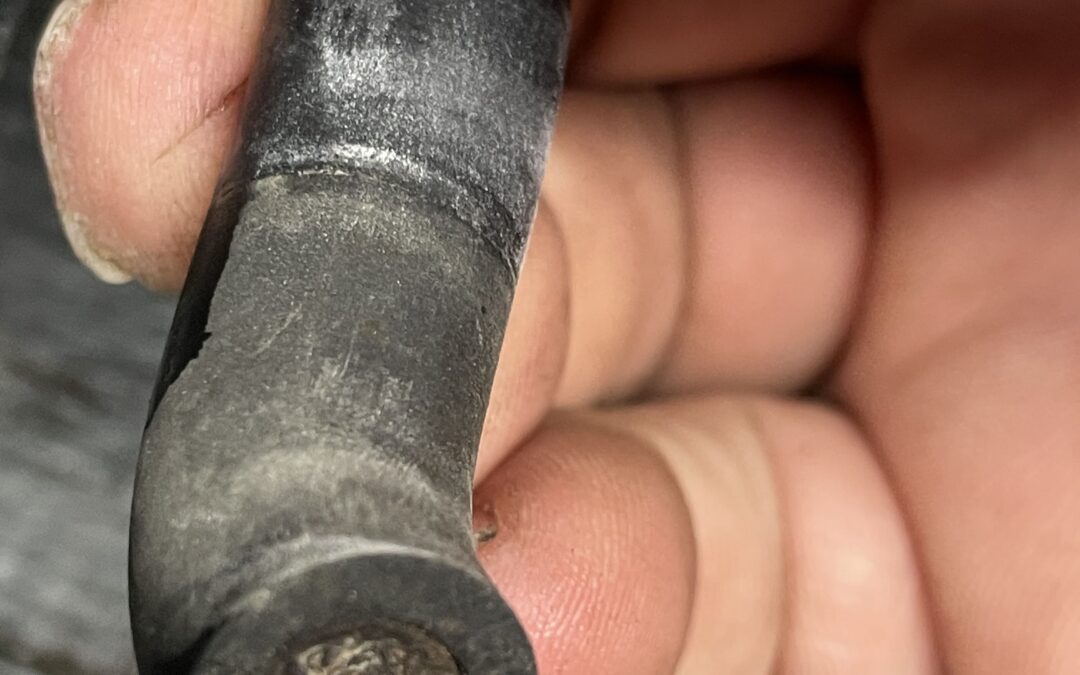
  • Metal Surfaces: In damp, dusty environments, mold may grow on unpainted or dirty metal.

Prevention Tips

  • Keep Surfaces Clean: Regularly remove dust and organic residues.
  • Control Moisture: Fix leaks, improve ventilation, and use dehumidifiers to reduce humidity levels.
  • Dry Surfaces Promptly: Wipe away condensation or water spills immediately.
  • Use Mold-Resistant Products: Apply mold-resistant coatings or sealants to porous surfaces.

By managing these factors, you can minimize the risk of mold growing on inorganic surfaces.

Green Mold Types

Green Mold Types

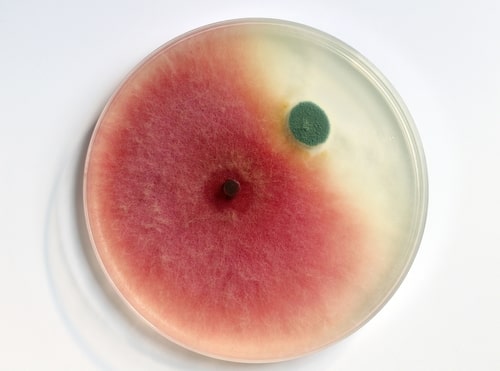
Green mold refers to various fungi that have a greenish hue and grow on surfaces, particularly in moist environments. Here are some common types of green mold:

Is green mold dangerous?

  1. Aspergillus: This is a common type of green mold often found indoors, especially on damp walls, fabrics, and food. Aspergillus species can range from green to yellowish and may cause respiratory issues if inhaled.

  2. Penicillium: Known for its blue-green color, Penicillium can grow on spoiled food, wallpaper, carpeting, and other indoor materials. It can cause allergic reactions and respiratory problems and is also a source of penicillin.

  3. Cladosporium: This mold often appears olive green or black. It thrives on wood surfaces, textiles, and even HVAC ducts. Cladosporium can cause allergic reactions, skin irritation, and respiratory issues.
  4. Trichoderma: Usually greenish-white, Trichoderma is commonly found on water-damaged wood, paper, and walls. It can be particularly destructive to materials and may produce toxins harmful to humans and animals.
  5. Fusarium: Though it comes in a range of colors, Fusarium is sometimes green and grows on plants, damp carpet, and wall insulation. It can cause eye and skin infections and respiratory issues in humans.

Identifying green mold accurately often requires lab testing, as the color alone isn’t always enough to determine the specific type.

Common Car Mold Questions

Common Car Mold Questions

Brief Overview of Car Mold Issues

Mold in cars is a common issue that many vehicle owners face, particularly in humid or damp climates. Mold can develop quickly in enclosed spaces, feeding on organic materials and moisture present in the car’s interior. Left unchecked, mold can cause significant damage to your vehicle and pose serious health risks to its occupants.

Importance of Addressing Mold Promptly

Addressing mold promptly is crucial to prevent its spread and mitigate potential health hazards. Mold spores can easily become airborne and inhaled, leading to respiratory issues, allergies, and other health problems. Additionally, mold can deteriorate fabrics, carpets, and other materials within the car, reducing its value and comfort.

This comprehensive FAQ aims to provide vehicle owners with all the essential information about car mold remediation. From identifying mold and understanding the risks, to learning about prevention and remediation methods, this guide covers everything you need to know to keep your car mold-free.

  1. What is Car Mold?

Definition and Types of Mold Commonly Found in Cars

Mold is a type of fungus that thrives in damp, humid environments. It reproduces through tiny spores that are carried through the air. When these spores land on a moist surface, they begin to grow and spread. Mold can appear in various colors, including black, green, white, and yellow, and it often has a musty odor. Mold can thrive in damp, warm, and poorly ventilated environments, making cars a potential breeding ground, especially when they have water leaks or humidity issues.

  1. Common types of mold found in cars

  • Aspergillus: Often found in areas with high humidity and poor ventilation, such as car interiors.
  • Cladosporium: Typically appears on fabrics and carpets, common in vehicles with water damage.
  • Penicillium: Grows on organic materials, such as food residues left in the car.
  • Stachybotrys (Black Mold): One of the most dangerous types

These molds thrive in damp, warm environments and can quickly colonize areas such as seats, carpets, and air conditioning systems.

  1. Causes of Mold Growth in Vehicles

Several factors contribute to mold growth in cars, including:

  • Moisture and Humidity: High levels of moisture or humidity inside the vehicle create an ideal environment for mold to grow.
  • Water Leaks: Leaks from windows, sunroofs, or doors can allow water to enter the vehicle, leading to mold growth.
  • Spills: Liquid spills on carpets and upholstery, if not cleaned promptly, can lead to mold development.
  • Poor Ventilation: Lack of adequate ventilation prevents moisture from evaporating, promoting mold growth.
  • Flood Damage: Cars that have been flooded are highly susceptible to mold.
  1. Why is Mold in Cars Dangerous?

Health Risks Associated with Mold Exposure

Exposure to mold can lead to a variety of health issues, particularly for individuals with allergies, asthma, or weakened immune systems. Common symptoms include:

  • Respiratory Issues: Inhaling mold spores can cause respiratory problems such as coughing, wheezing, and asthma attacks.
  • Allergic Reactions: Mold can trigger allergic reactions, including sneezing, runny nose, and itchy eyes.
  • Skin Irritation: Direct contact with mold can cause skin irritation and rashes.
  • Infections: In severe cases, exposure to mold can lead to fungal infections, particularly in individuals with weakened immune systems.
  • Irritation of the eyes, nose, and throat
  • Headaches and fatigue

Potential Damage to the Car’s Interior and Systems

Mold not only poses health risks but can also cause extensive damage to your car’s interior. It can deteriorate fabrics, carpets, and leather, leading to unpleasant odors and an unsightly appearance. Mold can also infiltrate the car’s heating and air conditioning systems, spreading spores throughout the vehicle and making it difficult to eliminate the problem entirely.

  1. How Can I Identify Mold in My Car?

Signs of Mold Growth (Visual and Smell)

Identifying mold in your car involves looking for visual signs and detecting unusual odors. Common indicators of mold growth include:

  • Visible mold spots on seats, carpets, and other surfaces
  • A musty or earthy smell inside the vehicle
  • Discoloration or staining on fabrics and materials
  • Condensation on windows and surfaces

Common Areas Where Mold Can Grow

Mold can grow in various areas of your car, often in places that retain moisture. Key areas to check for mold include:

  • Under the seats and floor mats
  • In the trunk, especially if it is used to store damp items
  • Around windows and sunroofs where leaks may occur
  • Inside the air conditioning and heating vents
  1. What Should I Do If I Find Mold in My Car?

Immediate Steps to Take Upon Discovering Mold

If you discover mold in your car, it’s important to act quickly to prevent further spread and health risks. Here are the immediate steps you should take:

  1. Safety First: Wear protective gear, such as gloves and a mask, to avoid direct contact with mold spores.
  2. Remove Moisture: Identify and eliminate the source of moisture. Dry out the car using fans, dehumidifiers, or by parking in a sunny spot with windows open.
  3. Clean Affected Areas: Use appropriate cleaning solutions to scrub mold off surfaces. Be thorough and ensure all mold is removed.
  4. Dispose of Contaminated Materials: Remove and dispose of heavily contaminated items, such as carpets or upholstery, that cannot be adequately cleaned.
  5. Consider Professional Help: For severe mold infestations, seek professional remediation services.

Safety Precautions

When dealing with mold, always prioritize safety. Ensure good ventilation during cleaning and use protective equipment to minimize exposure. If the mold infestation is extensive, consider consulting a professional for a thorough remediation.

  1. How Can I Prevent Mold Growth in My Car?

  1. Preventing mold growth in your car involves regular maintenance and proactive measures. Here are some tips to keep your car mold-free:
  • Keep It Dry: Regularly check for and address any leaks or water entry points. Use floor mats to absorb moisture.
  • Ventilation: Ensure proper ventilation by using air conditioning or opening windows to reduce humidity levels.
  • Clean Spills Promptly: Immediately clean up any liquid spills to prevent moisture accumulation.
  • Regular Cleaning: Regularly clean the interior of your car, including carpets, seats, and surfaces, to prevent mold growth.
  • Use Desiccants: Place desiccants, like silica gel packs, inside the car to absorb excess moisture.
  1. How Do Professionals Remediate Car Mold?

Overview of Professional Mold Remediation Processes

Professional mold remediation services use specialized equipment and techniques to effectively remove mold from your car.

Professional mold remediation involves several steps:

  1. Inspection: Professionals begin with a thorough inspection to assess the extent of mold growth and identify moisture sources.
  2. Containment: They isolate the affected areas to prevent mold spores from spreading during the remediation process.
  3. Removal: Using specialized equipment and industrial-grade cleaning solutions and equipment to remove mold.
  4. Applying antimicrobial treatments to prevent future growth.
  5. Drying: They use industrial dehumidifiers and fans to dry out the interior completely.
  6. Restoration: Finally, they restore or replace any damaged or contaminated materials, ensuring the car is mold-free.

Benefits of Hiring Professionals

Hiring professionals for mold remediation ensures thorough and effective treatment. Professionals have the expertise and tools necessary to address mold issues comprehensively, reducing the risk of recurrence and ensuring a safer vehicle environment.

  1. Can I Remove Mold from My Car Myself?

. Can I Remove Mold from My Car Myself?

DIY Mold Remediation Methods

Follow these steps for DIY mold remediation:

  • Gather Supplies: You will need gloves, a mask, cleaning such as vinegar or a commercial mold cleaner, a scrub brush, and a vacuum with a HEPA filter
  • Using baking soda to absorb moisture and deodorize
  • Applying a hydrogen peroxide solution for mold removal
  • Dry the Area: Use fans or dehumidifiers to dry out the car’s interior.
  • Scrub Surfaces: Apply the cleaning solution to the moldy areas and scrub thoroughly. Be sure to reach all nooks and crannies.
  • Vacuum: Use the HEPA vacuum to remove any loose mold spores and debris.
  • Repeat as Necessary: You may need to repeat the cleaning process several times to ensure all mold is removed.

Pros and Cons of DIY vs. Professional Remediation

While DIY methods can be cost-effective, they may not be as thorough as professional services. DIY remediation can be suitable for small, localized mold problems, but extensive infestations often require professional intervention to ensure complete removal and prevent future growth.

  1. How Do I Clean Car Seats and Upholstery Affected by Mold?

Cleaning car seats and upholstery affected by mold involves several steps:

  1. Vacuum: Use a vacuum with a HEPA
  1. What Products Are Effective for Car Mold Removal?

Recommended Cleaning Products

  • Vinegar: A natural and non-toxic option, vinegar can kill many types of mold. Mix vinegar with water in a spray bottle for application.
  • Hydrogen Peroxide: Effective against mold and bacteria, hydrogen peroxide can be sprayed directly onto moldy surfaces.
  • Commercial Mold Cleaners: Products specifically designed for mold removal, such as RMR-86 or Concrobium, are highly effective.
  • Baking Soda: A mild abrasive and natural deodorizer, baking soda can be used to scrub mold off surfaces.
  • Tea Tree Oil: An antifungal essential oil, tea tree oil can be mixed with water and sprayed onto moldy areas.

Natural vs. Chemical Cleaners

Both natural and chemical cleaners can be effective for mold removal. Natural cleaners like vinegar and baking soda are eco-friendly and safe for most surfaces, while chemical cleaners may offer stronger mold-killing properties but can be harsher on materials and the environment.

  1. How Much Does Car Mold Remediation Cost?

Factors Influencing the Cost

The cost of car mold remediation can vary based on several factors, including:

  • The extent of the mold infestation
  • The size of the vehicle
  • The type of mold present
  • The specific services required

Average Price Range for Professional Services

With Lonadier’s Mold Remediation a conversation is always required to provide an accurate ceramic or graphine quote.  You can expect a range of $600 to $1,200, which includes the Glassparency five-year warranty.

  1. How Long Does the Mold Remediation Process Take?

Timeframe for Professional and DIY Remediation

The time required for mold remediation depends on the extent of the infestation and the methods used. For minor mold problems, the process may take a few hours to a day. Professional remediation for severe mold issues can take several days, including inspection, cleaning, drying, and restoration.

Factors Affecting the Duration

Factors that can influence the duration of the remediation process include:

  • The extent of mold growth
  • The size of the vehicle
  • The type of mold present
  • The thoroughness of the cleaning process
  1. Can Mold Return After Remediation?

Chances of Mold Reoccurrence

Mold can return if the underlying causes of moisture are not addressed. Even after thorough remediation, mold spores can reappear if the car continues to have high humidity, leaks, or poor ventilation.

Tips to Prevent Mold from Coming Back

To prevent mold from returning, follow these tips:

  • Regularly inspect and repair any leaks or water damage.
  • Keep the car well-ventilated, especially after exposure to moisture.
  • Use moisture absorbers to maintain low humidity levels.
  • Clean and dry spills immediately to prevent moisture buildup.
  1. Are there Any Long-Term Effects of Mold Exposure in Cars?

Long-term exposure to mold in cars can have several health effects, including:

  • Chronic Respiratory Issues: Prolonged exposure to mold spores can lead to chronic respiratory conditions such as asthma and bronchitis.
  • Allergic Reactions: Continuous exposure can cause persistent allergic reactions, including sneezing, runny nose, and itchy eyes.
  • Skin Conditions: Ongoing contact with mold can result in skin irritation, rashes, and other dermatological issues.
  • Weakened Immune System: Long-term exposure to mold can weaken the immune system, making individuals more susceptible to infections and illnesses.
  1. What Should I Consider When Choosing a Professional Mold Remediation Service?

Key Factors to Consider When Choosing a Service

  • Experience and Expertise: Choose a company with extensive experience in mold remediation and trained technicians.
  • Certifications: Look for certifications from recognized organizations, such as the Institute of Inspection Cleaning and Restoration Certification (IICRC).
  • Reputation: Check reviews and testimonials from previous customers to gauge the company’s reputation.
  • Services Offered: Ensure the company provides comprehensive mold remediation services, including inspection, cleaning, drying, and restoration.

Cost and Warranty: Compare costs and inquire about warranties or guarantees on their work.


Mold and moisture

Mold and moisture

Mold and moisture:

Mold and moisture are closely related, as moisture is a key factor in the growth of mold. Here are some important points about mold and moisture, including prevention, health effects, and remediation:

Causes of Mold Growth

  1. Moisture Sources: Leaks, condensation, humidity, and flooding are primary sources.
  2. Temperature: Mold thrives in warm, damp environments.
  3. Organic Materials: Mold grows on materials like wood, paper, carpet, and food.

Health Effects of Mold

  1. Allergic Reactions: Symptoms include sneezing, runny nose, red eyes, and skin rash.
  2. Respiratory Issues: Mold exposure can cause asthma attacks and respiratory infections.
  3. Toxic Mold: Some molds, like Stachybotrys chartarum (black mold), produce mycotoxins that can cause severe health problems.

Prevention of Mold Growth

  1. Control Humidity: Keep interior humidity below 60%, ideally between 30-50%.
  2. Ventilation: Ensure proper ventilation in areas prone to moisture.
  3. Repair Leaks: Fix leaks.
  4. Dry Wet Areas: Dry areas within 24-48 hours after a spill or leak.

Detecting Mold

  1. Visual Inspection: Look for visible signs of mold growth.
  2. Odor: Musty smell is often an indicator of mold.
  3. Professional Testing: If mold is suspected but not visible, professional testing can confirm its presence.

Remediation of Mold

  1. All Areas: Clean areas of mold with hydrogen peroxide or other common remediation chemicals
  2. Protective Gear: Use protective gear like gloves, masks, and goggles when cleaning mold.
  3. Remove Contaminated Materials: Remove all items from all compartments including glove box, trunk, center console, etc.

Steps for Mold Cleanup

  1. Identify Source: Determine and eliminate the source of moisture.
  2. Remove Mold: Clean or remove moldy materials.
  3. Dry Area Thoroughly: Use fans and dehumidifiers to dry the area.
  4. Prevent Future Growth: Apply mold inhibitors and ensure proper ventilation and humidity control.

Tips for Maintaining a Mold-Free Environment

  1. Regular Maintenance: Keep tree debris off of car.  Regularly clean trunk gutters and cowl area.
  2. Monitor Humidity: If car is parked for an extended period, use hygrometers or a moisture meter to check humidity levels. Consider putting in damprid or even a small dehumidifier in vehicle to keep humidity below 60%.

By understanding the relationship between mold and moisture and taking proactive measures to control moisture levels, you can effectively prevent mold growth and protect your health and property.

How to Detect and Fix Car Tail Light Leaks

How to Detect and Fix Car Tail Light Leaks

How to Detect and Fix Car Tail Light Leaks

Car tail light leaks may seem like a minor issue, but they can lead to significant problems if left unresolved. From moisture buildup that damages electrical components to the development of rust, a leaky tail light can compromise both the functionality and aesthetics of your vehicle. In this article, we’ll guide you through identifying and fixing tail light leaks, as well as preventative measures to avoid them in the future.

Signs of a Leaky Tail Light

  1. Moisture Inside the Tail Light: Fogging, condensation, or visible water droplets inside the tail light housing.

  2. Electrical Issues: Dimming, flickering, or malfunctioning lights can result from water damage to the bulbs or wiring.

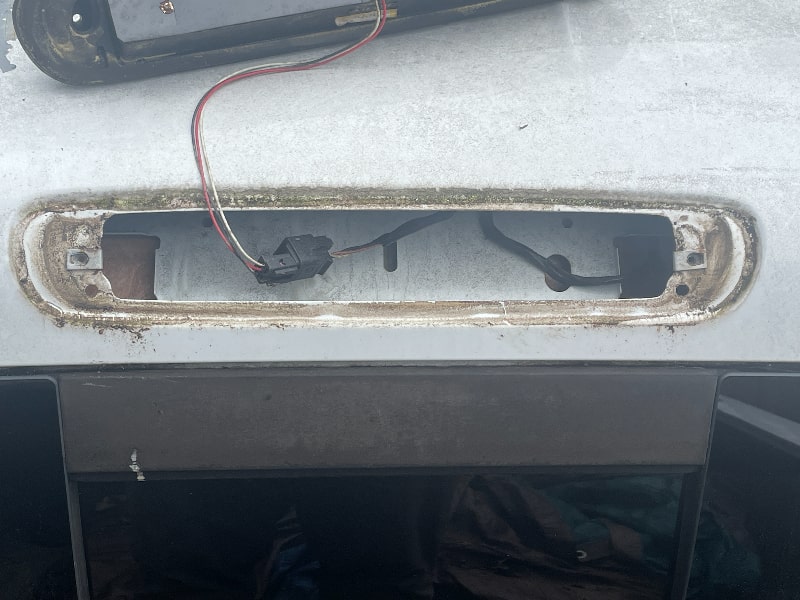
  3. Rust or Corrosion: Evidence of rust around the tail light or on nearby body panels often indicates a leak.

  4. Loose Tail Light Assembly: A tail light that feels loose may not be properly sealed, allowing water to seep in.

Common Causes of Tail Light Leaks

  • Aging Seals: Over time, the rubber or foam seals around the tail light housing can degrade, leading to leaks.

  • Cracks in the Housing: Impact damage or prolonged exposure to the elements can cause cracks in the tail light lens or assembly.

  • Improper Installation: Faulty installation of the tail light or aftermarket replacements can leave gaps for water to enter.

  • Worn Gaskets: The gasket that seals the tail light assembly to the car body may lose its effectiveness over time.

Steps to Fix a Leaky Tail Light

  1. Inspect the Tail Light Assembly:

    • Remove the tail light from the vehicle by unscrewing the bolts or clips holding it in place.

    • Check the housing, lens, and seal for visible damage or wear.

  2. Clean the Area:

    • Use a clean cloth to remove dirt, grime, and old sealant from the tail light and the car body.

  3. Repair or Replace Damaged Components:

    • For small cracks, apply a clear silicone sealant to the damaged area.

    • Replace the tail light if the housing or lens is severely cracked.

  4. Replace the Seal or Gasket:

    • If the seal or gasket is worn out, replace it with a new one designed for your vehicle model.

    • Apply a thin layer of weatherproof adhesive to ensure a tight seal.

  5. Reinstall the Tail Light:

    • Carefully align the tail light assembly and secure it in place with bolts or clips.

    • Ensure the assembly sits flush against the car body to prevent gaps.

  6. Test for Leaks:

    • Spray water over the tail light area and check for any signs of moisture inside the housing.

Preventative Measures

  • Regular Inspections: Periodically check your tail lights for signs of wear, damage, or moisture.

  • Use High-Quality Replacements: When replacing tail lights or seals, opt for OEM or high-quality aftermarket parts.

  • Avoid High-Pressure Washing: Directing high-pressure water at your tail lights can force water into the housing.

  • Protect from the Elements: Park in covered or shaded areas to reduce exposure to harsh weather conditions.

When to Seek Professional Assistance

If the leak persists despite your repair efforts or if the issue involves complex electrical damage, consult a professional mechanic or auto body specialist. They can provide a thorough inspection and more advanced solutions.

By addressing tail light leaks promptly, you can prevent further damage, maintain your car’s appearance, and ensure safety on the road.


Riding with Risks: Is Mold in Your Car Dangerous?

Riding with Risks: Is Mold in Your Car Dangerous?

Have you ever climbed into your car, only to be greeted by a musty smell that seems to cling to every breath you take? This unsettling experience might be more than just an annoyance. It could be a sign of something lurking beneath your seats and behind your dash: mold.

Is mold in a car dangerous? Beyond the unpleasant odor, there are potential health risks quietly thriving in the enclosed space where you spend hours driving. Mold in cars is a health hazard that can affect everyone on board; spurring allergies, respiratory issues, and more.

By understanding what causes mold to take hold and how it impacts your health, you’re taking the first step toward safeguarding your well-being. Stay tuned to learn how you can tackle this hidden threat effectively.

What Is Mold and How Does It Grow?

Mold is a type of fungus that can be found almost anywhere moisture and organic material are present. In the confined spaces of a car, mold finds the perfect environment to thrive, especially when moisture levels are high and air circulation is low.

Mold reproduces through tiny particles called mold spores, which are light enough to float through the air. When these spores land on damp surfaces, they begin to grow and multiply.

The conditions that encourage mold growth in cars are surprisingly common. Leaks in sunroofs, windows, or door seals can introduce water into the vehicle’s interior.

Additionally, if a car is left stationary with the windows up during hot, humid weather, condensation can form inside, creating an ideal breeding ground for mold. This can happen even more quickly if there are spills on upholstery or carpeting that are not cleaned up promptly.

Is Mold in a Car Dangerous?

Exposure to mold in cars can pose significant health risks, particularly as you spend prolonged periods in these confined spaces. Mold exposure primarily affects the respiratory system, but its impact can vary significantly from one person to another.

For individuals with a mold allergy, inhaling mold spores can trigger symptoms ranging from nasal congestion and sneezing to severe asthma attacks.

Children, the elderly, and those with compromised immune systems or pre-existing respiratory conditions are especially vulnerable. For these groups, the presence of mold can lead to more pronounced and serious health problems.

Respiratory issues may manifest as chronic coughing, wheezing, and difficulties in breathing, which can be mistaken for colds or other respiratory infections.

Beyond allergies and respiratory issues, mold exposure in cars can also cause more subtle health effects. Many people report headaches, dizziness, and fatigue, which they might not immediately attribute to mold.

Moreover, some types of mold produce mycotoxins. These are toxic substances that can lead to health problems when individuals are exposed to them over a long period.

A study conducted by the Environmental Protection Agency underscores the seriousness of indoor air pollution, which includes environments like vehicle interiors, where mold can accumulate in hidden areas. According to their findings, the quality of indoor air can be significantly poorer than outdoor air. This is largely due to pollutants such as mold spores circulating in confined spaces.

Spotting the Signs of Mold in Your Vehicle

Mold in vehicles can be somewhat stealthy, but there are clear signs that can alert you to its presence. Knowing these signs can help you tackle the problem before it affects your health or causes more significant damage to your car.

Visual Clues and Odors

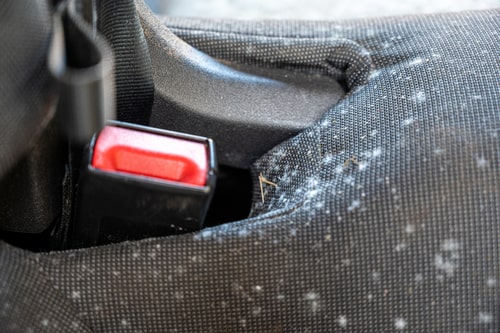
One of the most straightforward signs of mold in a car is the visible growth on interior surfaces, including the seats, floor mats, and dashboard. Mold can appear in a variety of colors, such as black, white, green, or orange, and often looks like a smudge or stain that cannot be easily wiped away.

Another telltale sign is a persistent musty or earthy odor inside the vehicle. This smell is particularly noticeable when the car has been closed up for a period, and the air inside becomes stale.

Hidden Mold

Mold doesn’t always grow in plain sight. Sometimes, you might notice the aforementioned odor without seeing any visible mold. In such cases, it’s essential to inspect more hidden areas where moisture can accumulate unnoticed.

Check under carpets, inside trunks, under seats, and within overhead liners. These are common spots where moisture can collect and mold can flourish away from your immediate view.

Using Your Senses

To effectively check for mold, use both your sense of sight and smell. Begin by looking for any discoloration or unusual stains on fabric and hard surfaces.

Feel the textures. Mold can sometimes be identified by a slimy or fuzzy feel. If parts of your car’s interior feel damp to the touch or if there’s a noticeable dampness in the air, these are signs that conditions are ripe for mold growth.

Additionally, pay attention to any allergic reactions you might experience while in the car, such as sneezing, itchy eyes, or breathing difficulties. These symptoms can be provoked by mold spores circulating in the confined space, especially when the car’s ventilation system is active.

Regular Inspection

Regularly inspecting areas prone to moisture is a key step in preventing mold. During routine cleanings, lift the carpets and mats, check the upholstery, and inspect all nooks and crannies.

If you detect moisture or the beginnings of mold growth, addressing these issues promptly can prevent further spread and safeguard both your health and the interior of your vehicle.

Preventing Mold Growth in Cars

Ensuring your car remains dry is crucial. After heavy use on rainy days or if a spill occurs, take the time to dry out your vehicle’s interior. Use absorbent towels to blot up wet spots, especially in hard-to-reach areas like under the seats and in the corners of the trunk.

For deeper cleaning, consider using a wet-dry vacuum to suck up any excess moisture from carpets and upholstery.

Regular maintenance of your car’s seals is another effective strategy to prevent moisture from getting inside. Check the seals around doors, windows, and the sunroof regularly.

If you notice any cracks or signs of wear, replace the seals as soon as possible. This not only keeps out moisture but also improves the overall insulation of your car, which is essential for maintaining a dry interior.

Good ventilation is vital in preventing mold growth. Whenever possible, leave windows slightly open to allow air circulation, or use your car’s ventilation system regularly to help dry out the interior air.

In humid climates, consider using moisture absorbers or portable dehumidifiers designed for automotive use. These can help reduce the humidity levels inside your car, tackling one of the major causes of mold in a car.

Professional Remediation of Car Mold

When it comes to removing mold from a car, professional remediation is crucial. This process involves more than just a thorough cleaning. It requires specialized knowledge and equipment to ensure that the mold is completely eradicated and unlikely to return.

Initial Assessment

The first step in professional car mold removal is a detailed assessment of the vehicle. Experts thoroughly inspect the car to identify all areas affected by mold.

This usually involves checking under carpets, inside vents, and other hidden areas to determine the extent of the mold infestation.

Moisture Removal

The next step involves eliminating any sources of moisture, which is crucial for stopping further mold growth. This might include repairing leaks or addressing issues with condensation. Professionals use advanced tools to detect moisture levels in various parts of the car to ensure that no damp spots go unnoticed.

Deep Cleaning and Sanitization

Using professional-grade cleaners and disinfectants, the remediation team cleans all surfaces within the car. Special attention is given to porous materials and hard-to-reach spots where mold spores might linger.

This phase often includes the use of HEPA vacuums to remove mold spores from the air and surfaces.

Drying and Dehumidification

After cleaning, the vehicle undergoes a thorough drying process. Professionals use industrial-strength dryers and dehumidifiers to remove all traces of moisture.

Final Inspection and Prevention

Once the car is clean and dry, experts perform a final inspection to ensure no areas have been overlooked. Additionally, they may apply mold inhibitors to surfaces to help prevent future growth. Recommendations are also given to the car owner on how to maintain a mold-free environment moving forward.

Why Professional Remediation Is Necessary

Car mold removal by professionals is not just about immediate mold elimination. It’s about ensuring that the health risks associated with mold are comprehensively addressed.

Mold in cars can cause significant health issues, from allergic reactions to more severe respiratory problems. Professionals not only remove the mold but also treat the conditions that allowed it to grow in the first place, providing a long-term solution to the problem.

Breathe Easy with Professional Mold Removal

We’ve unpacked the risks and realities of car mold by answering the pressing question, “Is mold in a car dangerous?” with a definitive yes.

For those seeking professional and thorough car mold remediation, Lonadier’s Mobile Detailing stands out as a trusted expert. With over a decade of specialized experience and a commitment to quality, our services ensure your vehicle is not just clean but safe.

Don’t let mold compromise your health or comfort. Contact us today and breathe easier knowing your car is in expert hands.

Call Today!