Understanding and Fixing Trunk Vent Leaks

Understanding and Fixing Trunk Vent Leaks

Understanding and Fixing Trunk Vent Leaks

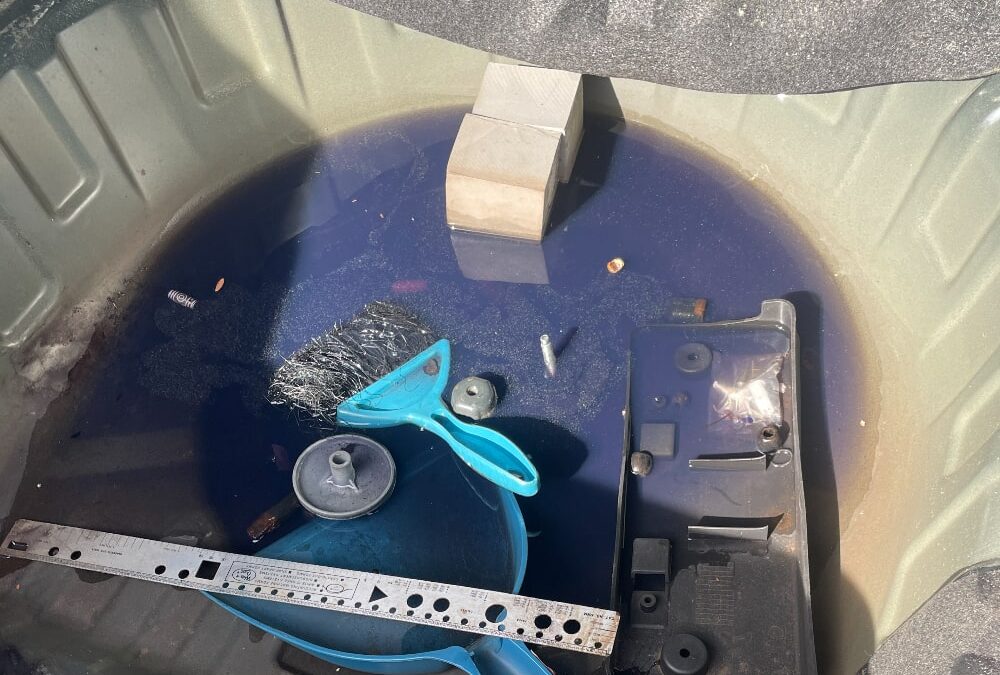
Trunk vent leaks are a common yet often overlooked issue that can cause significant problems for vehicle owners. These leaks can lead to water pooling in your trunk, foul odors, and even damage to your car’s electrical systems and interior. In this article, we’ll explore the causes of trunk vent leaks, how to identify them, and the steps you can take to fix and prevent them.

What Are Trunk Vents?

Trunk vents are designed to allow air pressure to equalize when you open or close your car doors. They’re typically located behind the trunk’s side panels and include rubber flaps that prevent water or debris from entering the vehicle. However, if these vents become damaged or improperly sealed, they can allow water to seep into the trunk area.

Signs of a Trunk Vent Leak

  1. Water in the Trunk: Pools of water or dampness in your trunk after rain or car washes are the most obvious signs.
  2. Mold or Mildew Odors: Persistent musty smells in the trunk or cabin may indicate prolonged moisture exposure.
  3. Rust or Corrosion: Rust on the trunk floor or nearby components could be caused by trapped water.
  4. Damaged Cargo: Items stored in the trunk becoming wet or moldy is a clear sign of a leak.

Common Causes of Trunk Vent Leaks

  • Aging or Damaged Vents: Over time, the rubber flaps on trunk vents can degrade or tear, compromising their ability to block water.
  • Improper Installation: If the vents weren’t installed correctly during manufacturing or repairs, gaps may allow leaks.
  • Clogged Drains: Blocked drainage channels around the trunk can redirect water toward the vents.
  • Collision Damage: Impacts or accidents can dislodge the vents or create gaps in their seals.

How to Fix a Trunk Vent Leak

  1. Locate the Source of the Leak:
    • Remove the interior panels in the trunk to access the vents.
    • Use a flashlight to inspect the vents for visible damage or misalignment.
  2. Test for Leaks:
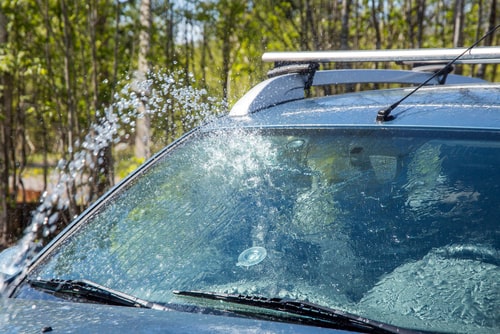
    • Spray water around the vent area and check for any signs of seepage inside the trunk.
  3. Repair or Replace the Vent:
    • If the vent is loose, tighten it or apply waterproof adhesive to secure it in place.
    • Replace the vent if it’s cracked or the rubber flaps are worn out. Ensure the replacement part is compatible with your vehicle model.
  4. Seal Gaps:
    • Apply a silicone-based sealant around the edges of the vent to prevent water from entering.
  5. Check and Clear Drains:
    • Ensure that the trunk’s drainage channels are free of debris to allow water to flow away from the vent area.
  6. Reinstall Interior Panels:
    • Once the repair is complete, securely replace the trunk panels and test for leaks again.

Preventative Maintenance

  • Inspect Vents Regularly: Check the condition of your trunk vents during routine car maintenance.
  • Keep Drains Clear: Regularly clean the drainage channels around your trunk to prevent water accumulation.
  • Avoid High-Pressure Washing: Excessive water pressure can force water into areas that are typically protected.
  • Address Issues Promptly: If you notice any signs of a leak, act quickly to prevent further damage.

When to Seek Professional Help

If the leak persists despite your repairs or if the trunk vent is located in a hard-to-access area, it may be time to consult a professional mechanic or auto body shop. They can accurately diagnose the issue and provide long-term solutions.

By understanding and addressing trunk vent leaks, you can protect your vehicle from water damage, maintain its value, and ensure a cleaner and drier driving experience.


Best Practices for Drying Out a Wet Car

Best Practices for Drying Out a Wet Car

Best Practices for Drying Out a Wet Car

Water inside a car can cause more than just discomfort—it can lead to mold, mildew, and even damage to the vehicle’s interior. Whether you’re dealing with a spilled drink, a leaky window, or a soaked interior after a rainstorm, here are some best practices for drying out a wet car efficiently


Note: Many times when a vehicle gets wetter than from a simple spill, water gets under the carpet.  In this case,  the carpet trim must be removed and the carpet pulled back to dry out the carpet padding.  If the trapped moisture under the carpet is not removed the carpet padding can become moldy and very smelly.

Remove Excess Water Immediately

Start by removing as much water as possible. Use:

  • Towels: Absorb visible puddles and damp areas.
  • Wet/Dry Vacuum: Extract water from carpets, seats, and hard-to-reach areas.

The quicker you act, the less chance water has to seep into the car’s deeper layers.

Take Out Wet Items

Remove floor mats, seat covers, and any other items that have absorbed water. Lay them out in the sun or in a well-ventilated area to dry. If they’re heavily soaked, consider using a pressure washer or cleaning solution before drying to prevent odors.

Circulate Air Inside the Car

Proper airflow is essential to remove moisture:

  • Open the Windows and Doors: If weather permits, let fresh air circulate.
  • Use Fans: Place one or more fans inside the car to speed up the drying process.

Use a Dehumidifier or Desiccants

For persistent dampness, use a dehumidifier or moisture-absorbing products such as silica gel packs. These can help remove residual moisture from the air and surfaces.

Turn on the Heat

On colder days, you can use your car’s heater to warm up the interior, which can help evaporate water. Combine this with running the air conditioner to dehumidify the air.

Shampoo and Clean Damp Areas

If water has soaked into the carpets or upholstery, clean these areas with a mild carpet cleaner or upholstery shampoo. This helps prevent mold and removes odors.

Inspect for Mold and Odors

After drying, check for any lingering damp smells or visible mold. If found:

  • Hydrogen Peroxide or Mold Cleaner: Use a mixture of hydrogen peroxide and water or a commercial mold cleaner to treat affected areas.
  • Use Odor Eliminators: Charcoal bags, or specialized car odor removers can help neutralize the odor

Prevent Future Water Intrusion

Identify the source of the water and fix it to prevent recurrence. Common culprits include:

  • Faulty weather stripping
  • Clogged sunroof drains
  • Leaky windows or doors

Regular maintenance and inspections can help prevent future water-related issues.

Conclusion

Drying out a wet car requires quick action and the right tools. By following these steps, you can restore your car’s interior and prevent long-term damage. Remember, addressing the source of the problem is just as important as drying the car itself to avoid future headaches.

Why Do I Continue to Get Water in My Car?

Why Do I Continue to Get Water in My Car?

Why Do I Continue to Get Water in My Car?

Continued water ingress into your car can be due to several reasons, often involving multiple potential sources and contributing factors. Here are some common reasons why your car might still be getting water inside:

Common Causes of Persistent Water Leaks

  1. Faulty or Worn Seals:
  • Door Seals: Over time, the rubber seals around your doors can become brittle, cracked, or misaligned, allowing water to seep through.
  • Window Seals: Seals around windows can also degrade, leading to leaks during rain or car washes.
  • Trunk Seals: The rubber seal around the trunk can wear out or get damaged, letting water in.
  1. Sunroof Issues:
  • Clogged Drains: Sunroofs have drainage channels that can get clogged with debris, causing water to overflow into the car.
  • Seal Failure: The seal around the sunroof itself can wear out or get damaged.
  1. Windshield and Window Problems:
  • Improper Installation: If the windshield or windows were replaced improperly, they might not be sealed correctly.
  • Cracks and Chips: Small cracks or chips in the windshield can allow water to seep in.
  1. Body Panel Gaps:
  • Misaligned Panels: Body panels that are not properly aligned or have gaps can allow water to enter.
  • Rust and Corrosion: Rust can create holes or gaps in the car body, particularly in older vehicles.
  1. HVAC System Issues:
  • Clogged A/C Drain: The air conditioning system has a drain to remove condensation. If this drain is clogged, water can back up into the car.
  • Heater Core Leak: A leaking heater core can also introduce water into the interior.
  1. Structural Damage:
  • Previous Accidents: If the car has been in an accident, there could be hidden structural damage that compromises its ability to stay watertight.
  • Roof Racks and Accessories: Improperly installed roof racks or other accessories can create entry points for water.
  1. Door Membranes:
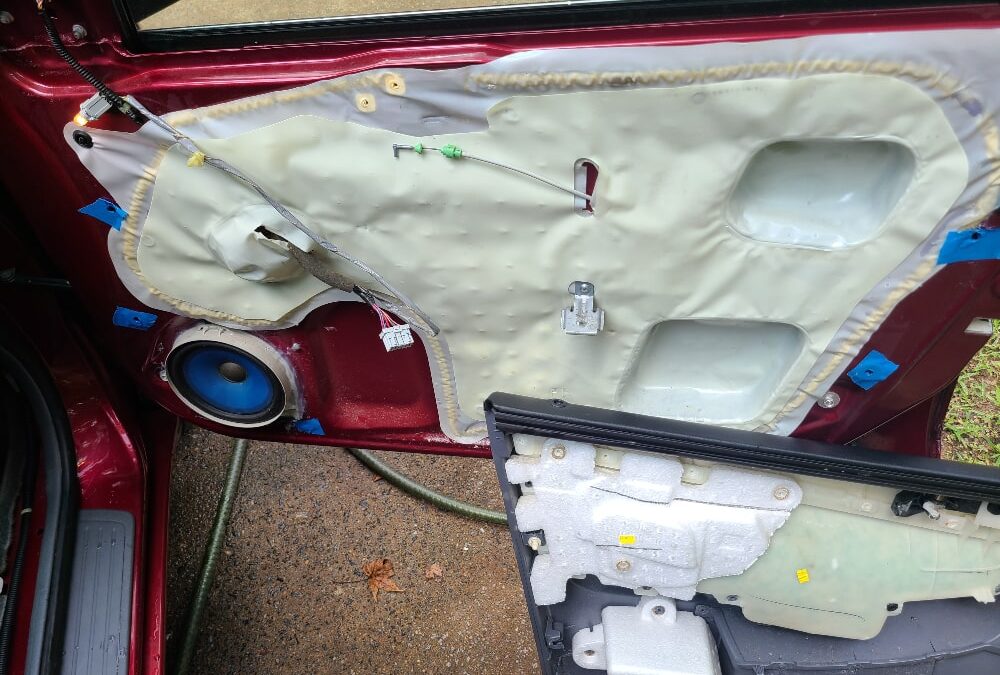
  • Damaged Membranes: The plastic membranes inside the doors, designed to keep water out, can get damaged or improperly installed.
  1. Poor Drainage Channels:
  • Blocked Drains: Various drainage channels in the car can become blocked by leaves, dirt, or other debris.
  • Poor Design: Some car models have inherently poor drainage designs that are prone to clogging or inadequate water diversion.

Steps to Diagnose and Fix Persistent Water Leaks

  1. Comprehensive Inspection:
  • Conduct a detailed inspection of all potential entry points, including door and window seals, the sunroof, and body panels.
  • Check for visible signs of wear, damage, or misalignment.
  1. Water Test:
  • Use a hose to systematically spray water on different parts of the car while someone inside observes for leaks. This can help pinpoint the exact location of the ingress.
  1. Interior Check:
  • Lift carpets and inspect the padding and floor for dampness or mold, which can indicate the leak’s location.
  • Check the trunk and spare tire well for water accumulation.
  1. Professional Tools:
  • Consider using professional tools like smoke machines or UV dyes to detect leaks more accurately.
  1. Maintenance and Repairs:
  • Replace worn or damaged seals around doors, windows, and the trunk.
  • Ensure sunroof drains are clear and functioning properly.
  • Check and clear the A/C drain and inspect the heater core.
  • Realign or repair misaligned body panels and ensure all accessories are properly sealed.

Professional Mold Remediation

Professional car technicians use a variety of methods to find leaks in a car. These methods are designed to be thorough and precise, ensuring that even the smallest leaks are identified and addressed. Here are some of the techniques they commonly use:

Comprehensive Inspection

  • Moisture Source Identification: Professionals identify and address the source of moisture that caused mold growth. This could involve checking seals, weather stripping, HVAC systems, and drainage areas.
  • Extent of Mold Growth: They assess the extent of mold contamination, including areas not visible to the naked eye, such as behind panels, under carpets, and within the HVAC system.

Exterior and Interior Check

  • Seals and Weather Stripping: Inspect all seals around windows, doors, the trunk, and the sunroof for any visible signs of wear, damage, or improper installation.
  • Undercarriage: Check the undercarriage for any rust or corrosion that might indicate water ingress.
  • Interior Carpets and Mats: Look for dampness, stains, or mold on carpets and floor mats.
  • Window and Windshield Seals: Closely inspect the seals around the windshield and windows for cracks or gaps.
  • Broken lap welds from accidents.  When a car is in an accident it often results in seam or lap welds being broken.  Unfortunately, broken welds are often missed by body shops during the repair process.
  • Door Seals: Door seals are designed to keep water out of your car’s interior. However, they can also wear out, become damaged, or come loose, allowing water to enter the cabin. Inspect the door seals for cracks, gaps, or debris that may prevent them from sealing properly. If you find a damaged seal, replace it or use a weatherstripping adhesive to reattach it.
  • Sunroof: Sunroofs are a common source of water leaks in cars, especially if they’re not maintained properly. The sunroof’s drain channels can become clogged with debris, causing water to overflow and enter the vehicle. To address this issue, clean the drain channels and ensure they are free of obstructions. Additionally, check the sunroof seal for any signs of wear or damage.
  • Cowl Area: The cowl area, located at the base of the windshield, is designed to direct water away from the vehicle. However, if the cowl’s drains or the area around them become clogged, water can enter the cabin through the ventilation system. To prevent this, regularly clean the cowl area and ensure the drains are functioning properly.
  • Taillight Gaskets: Taillight gaskets can become damaged or wear out over time, allowing water to seep into the trunk or rear cabin area. If you notice water pooling in your trunk or condensation inside your taillights, inspect the gaskets for damage and replace them if necessary.

Ongoing Preventive Measures:

  • Regularly clean and maintain drainage channels and sunroof drains.
  • Keep the car clean to prevent debris from accumulating and blocking drains.
  • Inspect seals and gaskets periodically for signs of wear and replace them as needed.

Conclusion

Persistent water ingress in a car can be due to a combination of factors, from faulty seals and clogged drains to structural damage and poor drainage design. Identifying the exact cause requires a thorough inspection and sometimes professional diagnostic tools. Regular maintenance and timely repairs are crucial to preventing further water damage and ensuring a dry, comfortable car interior. If you continue to experience water ingress despite your efforts, consulting a professional might be necessary to identify and resolve the issue comprehensively.


Sunroof Leak Repair

Sunroof Leak Repair

Sunroof Leak Repair: A Complete Guide

A sunroof is a great feature—letting in natural light and fresh air—but when it leaks, it can quickly turn into one of the most frustrating car problems. Water dripping from the headliner, damp carpets, foggy windows, and even mold growth are common side effects of a faulty sunroof seal or drainage issue. Fortunately, most sunroof leaks can be repaired without replacing the entire unit. This guide walks you step-by-step through diagnosing and repairing sunroof leaks so you can protect your car from costly water damage.


Why Sunroof Leaks Happen

Before learning how to repair a sunroof leak, it’s important to understand the common causes:

  1. Clogged Drain Tubes – Most modern sunroofs are designed with drainage channels that direct water down through tubes to the ground. Leaves, dirt, and debris can block these tubes, forcing water to back up and enter the cabin.

  2. Damaged or Worn Seals – The rubber gasket around the glass can dry out, crack, or shrink over time, allowing water to bypass the seal.

  3. Misaligned Glass – If the sunroof isn’t closing flush with the frame, gaps can let water seep in.

  4. Rust or Frame Damage – Older vehicles may develop corrosion in the sunroof tray, preventing water from draining properly.

  5. Improper Installation – Aftermarket sunroofs are particularly prone to leaks if not installed correctly.

By identifying the root cause, you’ll know whether you need a simple cleaning, a new seal, or a more in-depth repair.


Signs Your Sunroof is Leaking

Sunroof leaks aren’t always obvious right away. Watch for these warning signs:

  • Damp headliner near the sunroof opening

  • Water stains around the dome light or visors

  • Wet carpets, especially in the front footwells

  • Moldy odors inside the vehicle

  • Dripping water when braking or turning

If you notice these symptoms, don’t ignore them. Sunroof leaks can cause electrical damage, airbag malfunctions, and mold growth inside your vehicle if left untreated.


Tools and Materials You’ll Need

Repairing a sunroof leak is a manageable DIY project if you have the right tools:

  • Compressed air or a flexible drain snake

  • Plastic trim removal tool

  • Flashlight and inspection mirror

  • Silicone spray or rubber conditioner

  • Automotive-grade silicone sealant

  • Replacement sunroof seal (if needed)

  • Clean microfiber cloths

  • Bucket of warm, soapy water

Having these supplies ready will make the process smoother and prevent damage to delicate trim pieces.


Step 1: Inspect the Sunroof

Start by opening the sunroof fully and examining the rubber seal around the glass. Look for cracks, shrinkage, or spots where the rubber has pulled away from the frame. Run your fingers along the seal to check for roughness or brittleness.

Next, pour a small amount of water around the perimeter of the closed sunroof and watch where it flows. If water pools inside the track, it may be a drainage problem. If it seeps under the gasket, the seal itself is failing.


Step 2: Clean the Drain Tubes

Clogged drains are the most common cause of sunroof leaks. Each corner of the sunroof tray should have a small drainage hole leading to tubes that exit near the wheel wells or rocker panels.

  1. Use a flashlight to locate the drain holes.

  2. Insert a flexible wire, nylon string trimmer line, or a specialized drain snake. Never use a metal coat hanger—it can puncture the tubing.

  3. Gently push through the blockage until the line comes out the other end.

  4. Flush the drain with water to confirm it’s flowing freely.

  5. Repeat for all four corners.

For stubborn clogs, compressed air can be used, but apply it in short bursts to avoid disconnecting the tubing inside the pillars.


Step 3: Condition or Replace the Rubber Seal

If the gasket looks dry or stiff but isn’t torn, try restoring it:

  • Spray silicone lubricant or apply a rubber conditioner.

  • Massage it into the seal to revive flexibility.

  • Wipe away excess with a microfiber cloth.

If the seal is cracked or has shrunk significantly, replacement is necessary. Most seals are sold as a continuous strip that can be pulled off and pressed into place. Make sure to order one specific to your make and model for a proper fit.


Step 4: Check Sunroof Alignment

A misaligned sunroof can allow gaps where water enters. To check:

  1. Close the sunroof and examine the fit against the roofline.

  2. The glass should sit flush, not raised or recessed.

  3. If it’s uneven, consult your owner’s manual for adjustment instructions. Many sunroofs can be realigned by loosening the mounting screws slightly, repositioning the glass, and tightening them back down.

If adjustment doesn’t solve the problem, the mechanical tracks may be worn and require professional service.


Step 5: Seal Small Gaps and Leaks

For minor leaks where the frame meets the body, a thin bead of automotive silicone sealant can be applied:

  • Clean the area thoroughly with soap and water.

  • Dry completely before sealing.

  • Apply a smooth, continuous bead along the affected joint.

  • Allow 24 hours for curing before exposing to water.

This is a temporary solution but can buy time until a permanent repair is possible.


Step 6: Test the Repair

Once you’ve cleaned the drains, conditioned the seals, and corrected alignment issues, test the sunroof:

  • Park the car on a level surface.

  • Use a garden hose to simulate heavy rain.

  • Spray water over the closed sunroof for several minutes.

  • Check inside for leaks.

If no water enters, the repair was successful. If it still leaks, repeat the inspection process to pinpoint the missed issue.


Preventing Future Sunroof Leaks

Prevention is the best way to avoid sunroof leaks in the first place. Incorporate these habits into your car care routine:

  1. Clean Drains Regularly – Every few months, pour a cup of water into each corner drain to ensure it flows out beneath the car.

  2. Keep Seals Conditioned – Treat rubber gaskets with silicone spray twice a year to prevent cracking.

  3. Remove Debris Promptly – Don’t let leaves and dirt accumulate in the sunroof track.

  4. Avoid Parking Under Trees – Falling pollen, seeds, and sap accelerate clogging and seal deterioration.

  5. Close the Sunroof in Car Washes – High-pressure sprays can force water past weakened seals.

By keeping up with maintenance, you’ll extend the life of your sunroof and avoid costly interior repairs.


When to Seek Professional Help

Not every sunroof leak can be fixed with DIY methods. You should consider professional repair if:

  • The sunroof glass is cracked or broken

  • The track or mechanism is damaged

  • Drain tubes are disconnected deep inside the pillar

  • Rust has corroded the sunroof tray

  • Water leaks persist after multiple DIY attempts

A certified auto glass or body shop has the tools to remove the headliner, access hidden components, and perform factory-grade repairs.


The Cost of Sunroof Leak Repair

Repair costs vary depending on the issue:

  • Cleaning drains: Usually under $200 if done professionally

  • Replacing seals: $150–$300 depending on parts availability

  • Adjusting alignment: $100–$250

  • Full sunroof replacement: $800–$1,500 or more

Compared to the potential damage water can cause to electronics, airbags, and interior trim, early repair is a smart investment.


Final Thoughts

A leaking sunroof doesn’t have to spell disaster for your vehicle. With some basic tools and a methodical approach, most leaks can be resolved by cleaning clogged drains, conditioning or replacing seals, and ensuring proper alignment. Preventive maintenance—keeping drains clear and seals supple—will go a long way toward avoiding future problems.

If you’ve tried the steps above and still can’t stop the leak, don’t hesitate to call a professional. Fixing a sunroof leak promptly not only preserves your car’s comfort but also protects its resale value and prevents hidden mold growth.


Car Water Leaks the Problem with Faulty Windshields

Car Water Leaks the Problem with Faulty Windshields

Car Water Leaks: The Problem with Faulty Windshields

Water leaks in vehicles are a frustrating and sometimes costly problem. While leaks can originate from various sources, one of the most common culprits is a faulty windshield. When improperly installed or damaged, a windshield can allow water to infiltrate your car’s interior, leading to a host of issues. In this article, we’ll explore how windshields contribute to water leaks, the consequences of these leaks, and how to prevent or fix them.

How Windshields Cause Water Leaks:

Windshields are designed to create a watertight seal between the glass and the car’s body. However, certain factors can compromise this seal:

    • Improper Installation:Incorrectly applied adhesive or gaps in the seal during installation can leave openings for water to enter. Replacing a windshield without following proper procedures can compromise the integrity of the seal.
    • Aging and Wear: Over time, the adhesive used to secure the windshield can degrade, losing its effectiveness. Prolonged exposure to sunlight, extreme temperatures, and weather can accelerate this process.
    • Structural Issues: Accidents or impacts can cause misalignment between the windshield and the car’s frame, breaking the seal. Consequences of Water Leaks from Windshields

A leaking windshield can lead to several problems, some of which may escalate if not addressed promptly:

    • Interior Damage: Water infiltration can stain upholstery, carpets, and interior panels. Prolonged exposure to moisture can lead to mold and mildew growth, causing unpleasant odors and potential health risks.
    • Electrical Malfunctions: Water can damage wiring and electronic components located near the dashboard, leading to issues with lights, infotainment systems, and sensors.
    • Structural Integrity: Continuous water exposure can promote rust and corrosion in the car’s metal components, weakening its structural integrity over time.
    • Decreased Visibility: Moisture can fog up windows, reducing visibility and posing a safety risk.

Identifying a Leaking Windshield:

Detecting a windshield leak early can save you from costly repairs. Look out for the following signs:

    • Water Stains: Noticeable watermarks or streaks on the dashboard or inside the A-pillars.
    • Damp Carpets: Check the area under your dashboard and floor mats for dampness.
    • Foggy Windows: Persistent condensation inside the car, especially after rain.
    • Dripping Water: Visible water during rain or car washes, particularly near the edges of the windshield.Preventing and Fixing Windshield Leaks.

Ensure Proper Installation:

    • Always have windshields installed or replaced by certified professionals who follow industry standards.
    • Use high-quality adhesives designed for automotive use.

Regular Inspections:

    • Periodically check the edges of your windshield for signs of wear, cracks, or gaps in the seal.
    • Address minor chips and cracks promptly to prevent them from worsening.

Repair or Replace Damaged Windshields

    • Small cracks can often be repaired, but extensive damage may require a full replacement.
    • Ensure that repairs maintain the integrity of the seal.

Use Waterproofing Products

    • Apply waterproof sealants to reinforce the bond between the windshield and the car body.
    • Consider professional-grade products for long-lasting protection.

Conclusion

Water leaks caused by faulty windshields can lead to significant damage if ignored. By understanding the common causes and taking preventive measures, you can protect your car’s interior and avoid costly repairs. If you suspect a windshield leak, act quickly by consulting a trusted professional to diagnose and resolve the issue. A properly sealed windshield not only keeps water out but also contributes to the overall safety and longevity of your vehicle.


Call Today!