
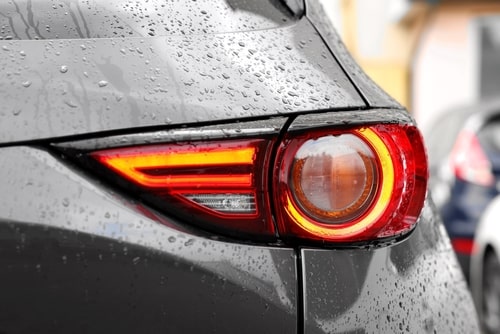

How to Detect and Fix a Car Tail Light Leak (Before It Costs You)
You notice it after a rainstorm — a faint fog trapped behind the red plastic of your tail light, or worse, a visible pool of water sloshing around inside the housing. It looks minor, so you tell yourself it can wait. But a tail light leak is one of those problems that quietly snowballs: what starts as moisture in the housing can end in burned-out bulbs, corroded wiring, a failed safety inspection — and, once that water reaches the trunk carpet, mold.
The good news is that many tail light leaks are catchable early and fixable with basic tools. This guide walks through how to detect, diagnose, and repair a leaking tail light — how to keep it from happening again — and when it's time to bring in a specialist like Car Mold Guys, especially once moisture has already made it into the vehicle.
Why a Tail Light Leak Is a Bigger Deal Than It Looks
Modern tail lights are sealed assemblies, and that seal exists because your car's electrical system doesn't mix well with water. When moisture in the housing sits against the bulb socket, it accelerates corrosion. Over time that corrosion spreads to the wiring harness, and at that point you're no longer looking at a cheap tube of silicone — you're looking at an electrical repair that can run into the hundreds.
Beyond the electrical risk, standing water inside the lens and behind the housing creates an ideal environment for mold, which brings odors and can migrate into the trunk or cabin. Once water reaches the cargo-area carpet and the padding beneath it, a small seal problem becomes a mold and odor problem that's far more involved to resolve — the same way other common water leaks quietly lead to interior mold.
Water pooled in a tail light housing is working against two things at once — the electrical connections it's corroding and the trunk materials it's soaking. The longer it sits, the more it costs to put right on both fronts.
Signs You Have a Tail Light Water Leak
Catching this early saves money and headaches. Here's what to watch for — and fogged lights aren't just cosmetic, since the National Highway Traffic Safety Administration counts rear-lighting failures among real rear-visibility safety concerns.
What Causes Tail Light Leaks?
Degraded rubber seals or foam gaskets. These break down from UV exposure and temperature cycling. On vehicles five years and older, this is the most common culprit.
Hairline cracks in the lens or housing. Impact, gravel strikes, or long UV exposure can crack the plastic. Even a barely visible crack lets water in under pressure.
Improper installation. A recently replaced or aftermarket unit that doesn't fit precisely can leave gaps at the seal. For critical sealing parts, an OEM assembly from your dealer or a reputable supplier is worth the premium.
Failed adhesive or butyl tape. Many sealed-beam tail lights use butyl tape — a pliable, putty-like adhesive — instead of a gasket. It gets brittle with age and loses its grip.
How to Fix a Tail Light Water Leak, Step by Step
A socket wrench set, flathead and Phillips screwdrivers, clean microfiber cloths, isopropyl alcohol (90%+), clear automotive-grade silicone sealant or automotive butyl tape, a replacement gasket matched to your year/make/model if needed, and a plastic-safe trim adhesive.
Remove the assembly. Open the trunk and find the access panels or bolts on the interior side of the tail section — usually three or four bolts (8mm or 10mm), sometimes plastic clips (use a trim tool so they don't crack). Wiggle the assembly free and disconnect the wiring harness by pressing the release tab on the connector.
Inspect everything. In good light, run a finger around the housing perimeter (cracks are often felt before they're seen), check that the gasket is pliable and makes even contact all the way around, and look at the mounting surface on the body for rust, pitting, or old sealant residue.
Dry it out completely. Never reinstall with moisture inside. Absorb standing water with a microfiber cloth, then let the assembly air-dry in the sun or use a hair dryer on low. A silica gel packet placed inside a sealed lens before reinstall can help pull residual humidity over time.
Repair or replace. For small lens cracks, run a bead of clear automotive-grade RTV silicone along the crack and smooth it, letting it cure fully. For a shattered housing, replace the assembly with an OEM-equivalent unit from your dealer or a reputable supplier. For a worn gasket, fit a vehicle-specific replacement, cleaning the mating surfaces with isopropyl alcohol first.
Reinstall and test. Reconnect the harness, seat the assembly against the body, and hand-tighten before torquing evenly — don't overtighten or you'll crack the housing. Then soak the area with a garden hose (not a pressure washer) for 60 to 90 seconds, open the trunk, and check for any moisture inside. Dry means you nailed it.
How to Prevent Tail Light Leaks Going Forward
Skip high-pressure washing near the lights. Pressure washers can force water past even a healthy seal — keep the wand moving and off the housing gaps.
Inspect the seals once a year. During spring or fall cleanup, press gently around the perimeter; any give or sponginess is your cue to reseal before winter moisture arrives.
Use dielectric grease on the sockets. A little on the bulb sockets during any bulb change creates a moisture barrier that slows corrosion.
Park smart. Regular shelter from driving rain and temperature swings reduces wear on every exterior seal, not just the tail lights.
When to Call a Professional
If you've resealed the light and water still gets in, the leak may be a hairline crack or a body-panel gap that's tough to spot by eye. This is where Car Mold Guys comes in: we pinpoint stubborn leaks with pressure testing and moisture meters, repair the tail light seal, and — critically — handle the part most DIY guides skip: the mold and odor left behind once water has soaked the trunk carpet and padding.
That remediation side is not a DIY job. If moisture has been sitting long enough to smell musty, the fix follows the ANSI/IICRC S520 standard — removing contaminated carpet padding, drying the substrate, treating with chlorine dioxide gas, purging the HVAC system, fitting a MERV 13 cabin filter, and finishing with encapsulation as the final step. (Deep wiring corrosion is separate again — that's an auto electrician's territory.) If you're not sure how far the water has spread, our guide to detecting mold in a car is a good next read.
REALITY: A tail light leak is an early warning for three pricier problems — electrical failure, rust, and mold. Catching and sealing it early is a modest job; waiting turns it into several. If water has already reached the trunk, treat the mold as seriously as the seal.
Frequently Asked Questions
Can I really fix a tail light leak myself?
Often, yes — a worn gasket or a small lens crack is within reach of a patient DIYer with basic tools, and the materials usually cost under $30. What's not a DIY job is the mold remediation if water has already soaked the trunk carpet, or deep wiring corrosion. If the leak keeps returning after a reseal, or you smell must, bring in a professional.
How do I know if the leak has caused mold?
A musty smell from the trunk or cargo area — especially one that's worse in heat — is the classic sign, along with damp or stained carpet in the spare-tire well. Because water travels and hides under trim, a professional moisture inspection is the reliable way to confirm how far it has spread. Other trunk-area leaks and third brake light leaks produce the same symptoms.
The carpet in my trunk got wet — what should I do now?
Dry it fast. Extract standing water, ventilate in dry conditions, and run fans — but if the padding beneath the carpet soaked through, it usually has to come out to dry properly. Our post on drying out a wet car walks through it, and the sooner you act, the better your odds of avoiding mold.
Car Mold Guys finds and repairs the tail light leak, then remediates any mold and odor it caused — one professional, 100% mobile service across Georgia, South Carolina, North Carolina, Tennessee, Florida, and Alabama. Thermal imaging, chlorine dioxide treatment, and a full HVAC purge, all backed by a 90-day warranty.