
Why Wet, Moldy Car Carpet Padding Produces an Unbearable Odor (And What To Do About It)
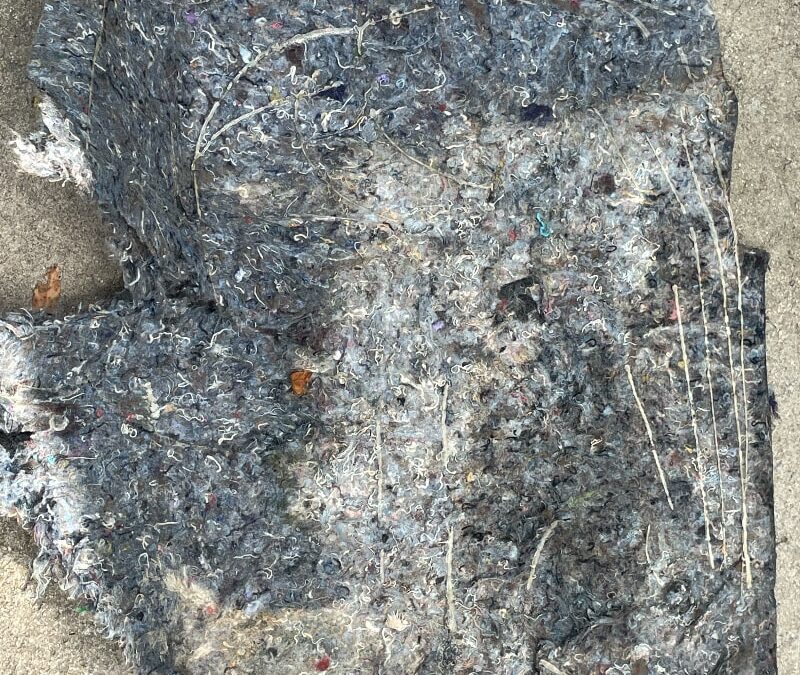
Wet, moldy car carpet padding cannot be safely remediated — it must be replaced. It produces what professionals call a "worm odor" that penetrates deeply into every surrounding surface, making it one of the hardest automotive odors to eliminate even after the contaminated padding has been removed.
The Smell That Stops You in Your Tracks
You reach for your car door, open it, and immediately take a step back. The odor that hits you isn't just musty — it's thick, heavy, and almost alive. If you've experienced this, you already know there's nothing quite like the smell of wet, moldy car carpet padding. It's not a smell you forget, and unfortunately, it's not one that goes away on its own.
As specialists in automotive mold remediation, we've seen this scenario hundreds of times. The good news is that once you understand what's causing it, you can take the right steps to eliminate it permanently — rather than spending money on air fresheners that only mask the problem for a few days.
What Is Car Carpet Padding and Why Does It Matter?
Most car owners don't think twice about what lives beneath their feet. Your vehicle's floor carpet sits on top of a layer of cushioning material — typically open-cell foam or compressed felt — called carpet padding. This layer serves important purposes: it reduces road noise, provides thermal insulation, and gives the floor a softer feel underfoot.
The problem? These same absorbent properties make carpet padding extraordinarily dangerous when moisture gets involved. Unlike hard surfaces that can be wiped dry, padding soaks up water and holds onto it long after the carpet above it appears dry to the touch. That trapped moisture becomes a biological time bomb.
Why the Smell Is So Uniquely Awful
Not all mold smells are created equal. The odor coming from wet car carpet padding has a specific, deeply unpleasant character that experienced remediators often describe as a "worm smell" — earthy, pungent, and almost sweet in a nauseating way. Here's the science behind why it's so bad:
The Health Risks Are Real — Don't Ignore Them
The smell is warning you. According to the Centers for Disease Control and Prevention (CDC), exposure to mold — even in small amounts over time — can cause or worsen respiratory symptoms, allergic reactions, and immune responses. In a car, where you may sit just inches from a heavily contaminated surface with the windows up and recirculated air running, that exposure is concentrated and continuous.
Symptoms commonly linked to car mold exposure include:
Finding the Source: Where Is the Water Coming From?
Wet carpet padding doesn't happen by accident. Something allowed water into your vehicle's floor. Before any remediation work can be effective, you must locate and repair the moisture source — otherwise the padding will simply get wet again. Common culprits include:
Sunroof Drain Lines: Sunroofs have small drain tubes at each corner that route water away from the vehicle. When these clog with debris, water backs up and overflows directly into the headliner and floor. This is one of the most common causes of soaked floor padding we see.
Door and Window Seals: Aging or damaged weather stripping allows water to run down the door frame and pool on the floor. Inspect all four doors and both rear windows.
Cabin Air Filter Housing: A clogged or improperly seated cabin air filter can cause condensation from the HVAC evaporator to overflow into the floor rather than draining properly outside the vehicle. The National Institute for Automotive Service Excellence (ASE) recommends cabin filter inspection at every major service interval for this reason.
Windshield and Rear Window Seals: Failed urethane adhesive around your windshield or rear glass creates a highway for water to run directly onto the dashboard or rear shelf and down into the carpet.
A/C Evaporator Drain: The air conditioner removes humidity from cabin air by condensing it on the evaporator coil. That water is supposed to drain outside the car through a small rubber tube. If the tube clogs, water overflows into the floor under the dash.
Why Moldy Carpet Padding Cannot Be Remediated — Only Replaced
This is the most important thing we can tell you: if your carpet padding is wet and showing signs of mold growth, it cannot be cleaned and kept. Unlike hard surfaces, open-cell foam and compressed felt are porous at a microscopic level. Mold hyphae grow into and through the material, making it impossible to kill and remove all biological contamination without destroying the structural integrity of the padding itself.
“Any professional or company that tells you they can clean and save contaminated padding is either uninformed or being dishonest with you. The padding must come out.”
The good news: automotive carpet padding is among the least expensive materials in your vehicle's interior. Replacing it is far cheaper than the cost of repeated failed remediation attempts, and it eliminates the biological source permanently.
The Professional Remediation Process
A proper car mold remediation job for water-damaged carpet and padding involves more than pulling out the floor material. Here's what a thorough process looks like, aligned to the ANSI/IICRC S520 standard:
Moisture source identification and repair — No remediation is started until the leak is fixed.
Full carpet and padding removal — All contaminated material is bagged and disposed of properly.
Subfloor treatment and drying — The bare metal floorpan is treated with an EPA-registered antimicrobial solution and dried completely. The EPA maintains a registered pesticide database that remediators should reference for approved products.
Chlorine dioxide gas treatment of the cabin — Because MVOCs have absorbed into surrounding surfaces, treating the source alone is not enough. Chlorine dioxide gas penetrates the headliner, seat foam, and door panels to neutralize the odor compounds at a molecular level — something ozone can't do without degrading your rubber seals along the way.
HVAC purge and MERV 13 cabin filter — The ventilation system that has been circulating spores is professionally purged, and the cabin air filter is replaced with a MERV 13-grade filter with the housing disinfected.
New padding installation and carpet re-installation — Fresh materials go back in only after the subfloor has passed a moisture reading test.
Encapsulation and verification — As the final step, a mold-inhibitor sealer is applied to the cleaned, treated surfaces to prevent regrowth — only after the contaminated material is gone, never as a substitute for removing it — followed by post-remediation air quality verification.
Preventing Car Carpet Mold in the Future
Once you've gone through remediation, protecting your investment is straightforward:
Inspect door and window seals annually and replace any cracking or compressed weather stripping immediately.
Clear sunroof drains every spring and fall with compressed air.
Address spills the same day — never let liquid sit in your carpet overnight. Our guide to drying out a wet car covers the full protocol.
Use moisture-absorbing products like silica gel packs or a quality car dehumidifier in humid climates. Georgia summers, in particular, create conditions where even ambient humidity can contribute to moisture buildup in vehicles that sit for extended periods.
Run your A/C on recirculate mode occasionally to pull humidity from the cabin air.
Final Thoughts: Don't Mask It — Fix It
Wet, moldy car carpet padding is one of those problems that refuses to be ignored — and for good reason. It's damaging your vehicle's interior, degrading your air quality, and potentially affecting your health every time you drive. Air fresheners, baking soda, and ozone treatments can reduce the odor temporarily, but they cannot eliminate the biological source — and ozone degrades your rubber door and trunk seals in the process.
If your car smells like mold and you've noticed it's coming from the floor, don't wait. The longer contaminated padding sits in your vehicle, the deeper those odor compounds penetrate into the surrounding materials — and the more expensive the remediation becomes. Not sure how far it has spread? Our guide to detecting mold in a car is a good place to start.
Car Mold Guys specializes in mobile auto mold remediation. We come to you, we find the source, and we fix it properly — leak repair, contaminated padding removal and replacement, chlorine dioxide treatment, HVAC purge, MERV 13 cabin filter, and final-step encapsulation — so you can get back to driving a car that smells the way it should. 100% mobile across Georgia, South Carolina, North Carolina, Tennessee, Florida, and Alabama, backed by a 90-day warranty.