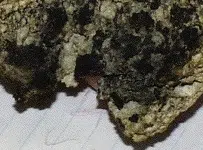
Does the Color of Mold Indicate How Dangerous it is?

Does the Color of Mold Indicate How Dangerous it is?

Does the color of mold indicate how dangerous it is?

Short answer: no the color of mold does not reliably indicate how dangerous it is.

Color can hint at what you’re seeing, but toxicity, health risk, and remediation urgency are not determined by color. Here’s how to think about it clearly.

Why mold color is misleading

Mold color is influenced by:

  • Species and strain
  • Age of the colony
  • Moisture level
  • Surface material (fabric, wood, plastic, leather, drywall)
  • Lighting and staining effects

Two molds that look identical can behave very differently — and the same mold can change color over time.

Common mold colors — what they can and cannot tell you

Black mold

  • Often blamed as “toxic mold”
  • Not always Stachybotrys
  • Many black molds are not high toxin producers
  • Some dangerous molds are not black at all

Reality: Color alone tells you nothing about toxicity.

Green mold

  • Very common indoors and in cars
  • Often Aspergillus or Penicillium species
  • Can produce allergens and irritants

Reality: Common ≠ harmless.

White mold

  • Can look fuzzy, dusty, or powdery
  • Often mistaken for dust or salt residue
  • Still capable of releasing spores and fragments

Reality: White mold can be just as biologically active.

Yellow / orange mold

  • Less common, but still possible indoors
  • Some produce strong odors or irritation

Reality: Rarity does not equal danger level.

What actually determines how dangerous mold is

  1. Species & strain

Some molds produce mycotoxins, others don’t — and some do so only under certain conditions.

  1. Fragmentation

Dead or dried mold still releases:

  • Spore fragments
  • Cell wall particles
  • β-glucans
    These can trigger inflammation even after “killing” mold.
  1. Exposure pathway
  • Inhalation (most common & most harmful)
  • Skin contact
  • Cross-contamination via HVAC or fabrics
  1. Environment (cars are unique)

In vehicles:

  • Small air volume
  • Porous materials (carpet, foam, headliner)
  • Heat cycling
  • Air recirculation

This can concentrate exposure, even from “small” visible growth.

Why testing by color is a mistake (especially in vehicles)

  • Visual ID is unreliable
  • Lab species ID still doesn’t measure exposure risk alone
  • Health effects depend on load, duration, and sensitivity

In car mold remediation, professionals focus on:

  • Source moisture
  • Material contamination
  • Air quality & particle control
  • Physical removal, not just killing

The most important takeaway

If you can see mold, the color doesn’t matter — it needs to be addressed properly.

From a health and remediation standpoint:

  • Black ≠ most dangerous
  • White ≠ safe
  • Dead mold ≠ harmless

What matters is removal, containment, and preventing regrowth, not guessing risk by color.

The dangers of car mold and why it should be taken seriously.

The dangers of car mold and why it should be taken seriously.

Is There Mold in Your Car? Here's Why You Can't Afford to Ignore It

Mold doesn't need much of an invitation. A little moisture, a forgotten coffee spill, a leaky window seal — and within 24 to 48 hours, mold spores can take hold inside your vehicle. What starts as a faint musty smell can quickly turn into a full-blown health hazard that affects everyone who rides in your car.

If you've noticed an unusual odor, visible dark spots on your seats or carpet, or you're sneezing every time you get behind the wheel — this article is for you.


Why Car Mold Is More Dangerous Than You Think

Car mold is just as serious as house mold — and in many ways, it's worse. The risks are amplified by three factors that most people never consider: a small confined area, a ventilation system that blows directly on occupants, and constant vibration that shakes spores loose and keeps them suspended in the air you're breathing.

Most people assume mold is just an aesthetic problem — something unsightly but harmless. That's a costly misconception. Car mold is a biological contaminant that thrives in the enclosed, often poorly ventilated space of a vehicle. Because you're sealed inside with it every time you drive, your exposure is concentrated and repeated.


The Health Risks of Car Mold Exposure

According to the Centers for Disease Control and Prevention (CDC), mold exposure can cause a wide range of health issues, particularly affecting the respiratory system. Inside a car, those risks are amplified because you're breathing in a closed environment with limited airflow.

Common symptoms of mold exposure include:

  • Chronic coughing and sneezing
  • Watery, itchy eyes
  • Throat irritation and nasal congestion
  • Skin rashes or irritation
  • Headaches and fatigue
  • Worsening asthma or allergy symptoms

For people with compromised immune systems, existing respiratory conditions, or mold allergies, the consequences can be severe. The American College of Allergy, Asthma & Immunology (ACAAI) notes that mold allergies can trigger asthma attacks, and prolonged exposure can lead to hypersensitivity pneumonitis — a serious lung condition that can be mistaken for pneumonia.

Bottom line: If you're driving with mold in your car daily, you're not just uncomfortable — you're putting your health at real risk every single trip.


How Mold Damages Your Vehicle

Beyond your health, mold causes serious physical damage to your car's interior. Mold produces enzymes that break down organic materials — and your car's interior is full of them: fabric seats, carpet, foam padding, leather, and even the headliner.

Left untreated, mold can:

  • Permanently stain and deteriorate upholstery and carpet
  • Break down foam padding inside seats
  • Corrode metal components beneath carpet and floor mats
  • Compromise the structural integrity of interior panels
  • Infiltrate your HVAC system, spreading spores every time you use your heat or A/C

Once mold gets into your car's ventilation system, it circulates throughout the entire cabin every time you turn on the air. This is one of the most dangerous — and overlooked — aspects of car mold contamination.


The Impact on Your Vehicle's Value

Thinking about selling your car? Mold is one of the fastest ways to destroy resale value. Even if the mold is removed, lingering odors and visible staining can be a dealbreaker for buyers. Carfax and vehicle inspection services increasingly flag odor and interior damage, and a moldy car on a dealer lot — or in a private sale — is a car that sits unsold.

According to Kelley Blue Book, interior condition is one of the top factors that affects used car value. Mold damage can reduce a vehicle's market value by hundreds or even thousands of dollars depending on severity.

Investing in professional mold remediation early isn't just about health — it's about protecting a major financial asset.


Where Does Car Mold Come From?

Understanding the source helps prevent recurrence. The most common causes of car mold include:

  • Wet carpets from tracked-in rain or flooding
  • Spilled drinks or food left to sit in warm conditions
  • Leaking windows, sunroofs, or door seals
  • Leaving windows down during rain
  • Condensation buildup in humid climates (especially in the South)
  • A/C systems that collect moisture and don't dry properly

The Southeast's hot, humid summers create the perfect breeding ground for mold growth. Vehicles parked in garages or shaded areas with poor ventilation are especially vulnerable.

DIY vs. Professional Mold Removal: What's the Difference?

You'll find plenty of tutorials online for removing car mold with vinegar, bleach, or baking soda. While these methods can address minor surface mold, they almost never eliminate the problem completely. Here's why:

  • Mold roots (hyphae) penetrate deep into porous materials — foam, carpet backing, and fabric — where surface sprays can't reach
  • Improper treatment can spread spores to unaffected areas, making the problem worse
  • Odors return because the underlying biological contamination wasn't fully addressed
  • No post-treatment verification means you're guessing, not knowing

A professional auto mold remediation service uses HEPA-filtered equipment, EPA-registered antimicrobials, and containment protocols to ensure complete removal. Post-treatment testing confirms the mold is gone — not just masked.

The EPA's guidelines on mold remediation emphasize that porous materials with significant mold growth typically need to be removed and replaced — not just cleaned — to achieve lasting results.


Signs You Need Professional Car Mold Remediation

Don't wait until the problem is severe. Contact a professional if you notice:

✅ A persistent musty or earthy odor that doesn't go away
✅ Visible dark spots (black, green, or white) on seats, carpet, or headliner
✅ Unexplained allergy-like symptoms that improve when you're out of the car
✅ A history of flooding, significant water intrusion, or chronic moisture issues
✅ Your A/C or heat smells musty when it blows


Take Action Before Mold Takes Over

Car mold isn't a problem that resolves on its own — it spreads. Every day you wait is another day the contamination grows deeper into your vehicle's materials and your lungs.

If you're in Georgia and you suspect mold in your vehicle, don't guess — get it handled by a specialist. At Car Mold Guys, we use professional-grade equipment and proven remediation protocols to fully eliminate mold from your vehicle's interior — and keep it gone.

📞 Contact us today for a free assessment and let us restore your car — and your peace of mind.


Frequently Asked Questions About Car Mold

Can car mold make you sick?
Yes. Mold exposure in a vehicle can cause respiratory issues, allergic reactions, headaches, and in severe cases, serious lung conditions — especially with repeated daily exposure.

How long does it take for mold to grow in a car?
Under the right conditions (warmth and moisture), mold can begin growing within 24–48 hours of water intrusion.

Is car mold covered by insurance?
In some cases, yes. If mold resulted from a covered event like flooding, your comprehensive auto insurance may cover remediation. Check with your provider.

Can I remove car mold myself?
DIY methods can address very minor surface mold, but professional remediation is recommended for any significant growth to ensure complete removal and prevent regrowth.


Published by Car Mold Guys — The Southeast's mobile auto mold remediation specialists. Serving the entire Southeast.

Are Dead Mold Spores Harmful?

Are Dead Mold Spores Harmful?

Are Dead Mold Spores Harmful? What Every Car Owner Needs to Know

You found mold in your car. You treated it, cleaned it, and the visible growth is gone. Problem solved, right?

Not exactly.

This is one of the most common and dangerous misconceptions in car mold remediation. Many car owners — and even some detailers — believe that once mold is killed, the threat is neutralized. But dead mold spores can still cause serious health problems, and leaving them behind is a mistake that affects the air quality inside your vehicle every single time you drive.

Let's break down exactly what's happening inside your car, why dead spores still matter, and what real mold remediation actually looks like.


What Are Mold Spores, and Why Do They Matter?

Mold reproduces by releasing microscopic particles called spores into the surrounding environment. Think of them like seeds — lightweight, virtually invisible, and designed to survive long enough to find a new surface and start a fresh colony.

In a car, mold typically begins growing after moisture gets trapped inside — from a leaking window seal, a clogged AC drain line, a forgotten wet gym bag, or even repeated exposure to high humidity. The confined space of a vehicle creates a perfect incubation environment: limited airflow, porous surfaces like carpet and upholstery, and temperatures that fluctuate in ways that encourage mold growth.

Once established, a mold colony continuously releases spores into your car's cabin air. Those spores settle into seat foam, headliners, air vents, and HVAC systems — and they don't disappear just because you spray something on them.


Are Dead Mold Spores Still Harmful? Yes — Here's Why

This is the question we get asked most often, and the answer surprises a lot of people: yes, dead mold spores are still harmful.

When mold is treated with antifungal sprays, bleach, or other chemical treatments, the living organism dies — but the spore particles remain. They don't dissolve or disappear. They continue to sit in your upholstery, float in your cabin air, and cycle through your ventilation system. Here's what that means for your health:

1. Allergic Reactions Don't Require Live Mold

Your immune system reacts to the protein structure of mold spores, not to whether the mold is alive or dead. That means sneezing, watery eyes, skin irritation, and nasal congestion can all still be triggered by dead spores. For people with mold allergies, the relief they expect after treatment may never fully come — because the allergen source is still present.

According to the American Academy of Allergy, Asthma & Immunology (AAAAI), mold is one of the most common environmental allergens, and spore exposure — even from non-living mold — is sufficient to trigger reactions in sensitive individuals.

2. Respiratory Problems Persist

People with asthma, chronic bronchitis, or other respiratory conditions are especially vulnerable. Dead spores can lodge in the airways and cause inflammation, wheezing, coughing, and shortness of breath. The CDC has noted that mold exposure — regardless of viability — is associated with upper respiratory tract symptoms and aggravated asthma.

Spending 30, 60, or 90 minutes a day commuting in a car with unresolved mold spore contamination adds up quickly. This is a daily, repeated exposure event.

3. Mycotoxins Survive the Death of the Mold

Certain mold species — most notably Stachybotrys chartarum, commonly called black mold — produce toxic chemical byproducts called mycotoxins. These compounds are released by the mold as part of its biological process, and critically, they do not break down when the mold dies.

Mycotoxins can cause neurological symptoms, immune suppression, and in cases of prolonged exposure, more serious systemic health effects. They bind to surfaces and particles, making them extraordinarily difficult to remove without professional-grade treatment. The EPA's guidance on mold acknowledges that mycotoxins present real health concerns that require thorough remediation — not just surface-level cleaning.


Why Cars Are Especially High-Risk for Mold Spore Exposure

A mold problem in a 2,000-square-foot home is serious. A mold problem in a 100-cubic-foot car cabin is arguably worse — here's why:

Concentration. Your car is an enclosed space with limited air volume. The same number of spores that might be diluted to safe levels in a large room become highly concentrated in a vehicle cabin.

Recirculation. Your HVAC system actively pulls air through the cabin and pushes it back out. If mold spores are present in your vents, evaporator coil, or cabin air filter, every time you run the heat or air conditioning, you're redistributing spores throughout the interior.

Duration of exposure. The average American spends over 50 minutes per day in their vehicle. That's sustained, repeated exposure in close proximity — often with the windows up.


What Real Car Mold Remediation Looks Like

Killing mold is only the first step. Complete car mold remediation means removing all traces of mold — living and dead — along with eliminating the moisture source that caused it. Here's what that process should include:

Step 1: Find and Fix the Moisture Source

Mold doesn't grow without water. Before anything else is done, the source of moisture must be identified and repaired. Common culprits include:

  • Leaking window or door seals
  • Clogged sunroof drains
  • AC evaporator drain line blockages
  • Damaged weatherstripping
  • Wet floor mats that weren't dried properly

Treating the mold without fixing the moisture source is a temporary fix at best.

Step 2: Remove Affected Materials When Necessary

In severe cases, contaminated carpet, padding, or upholstery may need to be removed entirely. Dead spores are deeply embedded in porous materials and cannot be fully extracted through surface cleaning alone. Professional remediation services assess whether salvage or removal is the appropriate path.

Step 3: HEPA Vacuuming — Non-Negotiable

This step is where most DIY attempts fall short. Standard vacuums — even shop vacs — use filters that allow microscopic spore particles to pass through and get exhausted back into the air. A HEPA-rated vacuum captures particles as small as 0.3 microns, which is sufficient to capture mold spores. Every surface in the vehicle — seats, carpet, headliner, dash crevices — must be vacuumed with HEPA filtration.

Step 4: Professional Treatment for Spores and Mycotoxins

For moderate to severe infestations, professional-grade treatment is strongly recommended. This may include:

  • Chlorine dioxide (ClO₂) vapor treatments, which penetrate porous surfaces and neutralize both organic compounds and mycotoxins
  • Hydroxyl radical generators, which use UV-generated free radicals to break down odor compounds and spore proteins
  • Ozone shock treatment in unoccupied vehicles, which oxidizes organic material throughout the cabin and HVAC system
  • Antimicrobial encapsulants applied to treated surfaces to prevent future growth

These tools go beyond what any off-the-shelf spray can accomplish — particularly when it comes to spores embedded in foam, ductwork, or under carpet backing.

Step 5: HVAC Decontamination

If your car's ventilation system has been exposed to mold, the cabin air filter must be replaced and the evaporator coil and ductwork must be treated directly. Running the AC after remediation without addressing the HVAC system will reintroduce spores into the cabin air almost immediately.

Step 6: Dry and Dehumidify

After treatment, the vehicle must be thoroughly dried. Leave doors open in a dry environment or use a vehicle-safe desiccant dehumidifier. Products like silica gel canisters or activated charcoal packs placed inside the vehicle between uses help maintain low humidity and prevent recurrence.


How to Prevent Car Mold From Coming Back

Once your car has been properly remediated, prevention is straightforward:

  • Address water intrusion immediately. Don't let a small leak become a big mold problem.
  • Never leave wet items — towels, umbrellas, gym clothes — sitting in a closed vehicle.
  • Run your AC regularly to keep the evaporator from becoming a moisture trap.
  • Replace your cabin air filter at or before the manufacturer's recommended interval.
  • Park in ventilated areas when possible, and crack windows slightly during mild weather to promote air exchange.

The Bottom Line: Don't Stop at Killing the Mold

The question "are dead mold spores harmful?" has a clear answer: yes. Killing the mold is an important step, but it's not the finish line. True car mold remediation means removing all biological material — live and dead — from every surface in the vehicle, decontaminating the HVAC system, eliminating moisture sources, and using appropriate professional-grade methods where the infestation warrants it.

If you're dealing with a mold problem in your vehicle and want to make sure it's handled correctly the first time, Car Mold Guys specializes in professional automotive mold remediation — not just cleaning, but complete removal of spores, odors, and mycotoxins so your car is genuinely safe to drive again.

Contact us today to schedule a vehicle assessment.


Sources: EPA – Mold Course Chapter 1 | CDC – Mold in the Environment | AAAAI – Mold Allergy | EPA – What is a HEPA Filter?


Green Mold Types

Green Mold Types

What Is Green Mold?

Green mold is a broad, informal term used to describe several different species of fungi that share a greenish appearance. The color itself comes from the pigment in the mold's spores — but color alone is not a reliable identifier. A mold that appears green today might shift to blue, yellow, or black depending on its age, moisture level, and the surface it's growing on.

According to the CDC, molds are fungi that grow in the form of multicellular filaments called hyphae. They reproduce by releasing tiny spores into the air — spores that are invisible to the naked eye and can travel easily through your home's ventilation system, your car's cabin air filter, or an open window.

Green mold thrives anywhere moisture is present. It doesn't need much — a slow leak behind drywall, a spilled drink in a car seat, or even high indoor humidity is enough to get a colony started. Once established, it spreads quickly and can penetrate porous materials like wood, drywall, carpet, and fabric.


Common Types of Green Mold

While only lab testing can definitively identify a mold species, there are five types most commonly associated with green mold growth indoors.

1. Aspergillus

Aspergillus is one of the most widespread molds on the planet and one of the most frequently found indoors. It typically appears in shades of green, yellow, or white and is commonly found on damp walls, fabrics, HVAC systems, and food. While most healthy people can tolerate mild exposure, Aspergillus is a serious concern for individuals with weakened immune systems. Certain species produce aflatoxins, which are among the most potent naturally occurring carcinogens known.

2. Penicillium

Famous for being the mold from which penicillin was derived, Penicillium is far less friendly when it's growing in your home. It appears blue-green and has a powdery, velvety texture. Penicillium spreads rapidly and is commonly found on water-damaged walls, wallpaper, carpeting, and food. It's a well-documented allergen and can trigger respiratory issues, sinus inflammation, and asthma flare-ups. Learn more about Penicillium from the American Academy of Allergy, Asthma & Immunology.

3. Cladosporium

Cladosporium leans more olive-green to dark brown or black in color, making it easy to confuse with black mold. It's one of the most common outdoor molds, but it readily colonizes indoor surfaces — particularly wood, textiles, and HVAC ductwork. Cladosporium is a top trigger for mold allergies worldwide and can cause skin irritation, eye redness, and upper respiratory symptoms even in otherwise healthy individuals. The EPA notes that Cladosporium is among the most frequently detected molds in air sampling studies.

4. Trichoderma

Trichoderma is a fast-growing, greenish-white mold often found on water-damaged wood, paper products, and behind walls following a flood or slow leak. It's particularly destructive to building materials and can break down cellulose — a component of wood, drywall, and paper — at a surprisingly rapid rate. Some Trichoderma species produce mycotoxins, which can be harmful to both humans and animals. If you notice a musty odor and structural softening near a water-damaged area, Trichoderma may be a suspect.

5. Fusarium

Fusarium is a pink-to-reddish-orange mold that sometimes appears greenish, particularly in early growth stages. It thrives on water-damaged carpet, wall insulation, and plant material. Fusarium can cause eye infections, skin infections, and respiratory complications, and in rare cases it poses significant risks to people with compromised immune systems. For more on Fusarium, the Asthma and Allergy Foundation of America provides a helpful overview of mold-related health impacts.


Is Green Mold Dangerous?

The short answer: yes, green mold can be dangerous — but the degree of risk depends on the species, the extent of the growth, your level of exposure, and your individual health status.

Green Mold Health Effects

Common symptoms of green mold exposure include:

  • Respiratory issues: Coughing, wheezing, shortness of breath, and worsening asthma
  • Allergic reactions: Sneezing, runny nose, itchy eyes, and skin rashes
  • Sinus and nasal congestion
  • Headaches and fatigue after prolonged exposure
  • Eye and throat irritation

People at higher risk include young children, the elderly, pregnant women, and anyone with asthma, allergies, or a compromised immune system. For these groups, even relatively small amounts of green mold can trigger significant symptoms. The National Institutes of Health has documented links between long-term mold exposure and chronic respiratory illness.

Green Mold vs. Black Mold: What's the Difference?

One of the most common questions people ask is whether green mold is as dangerous as black mold. The honest answer is that color is a poor predictor of danger. Stachybotrys chartarum — the mold commonly called "toxic black mold" — gets a lot of attention, but many green molds are equally capable of causing health problems depending on the species and exposure level. Conversely, not all black mold is Stachybotrys. This is exactly why lab testing matters.


How to Identify Green Mold in Your Home or Vehicle

Green mold commonly appears:

  • On bathroom walls, ceilings, and grout lines
  • Under kitchen sinks and around refrigerator drip pans
  • On window sills and around air conditioning units
  • Inside vehicles — especially in seats, carpeting, and trunk areas after water exposure
  • On stored clothing, books, and cardboard boxes
  • In basements, crawl spaces, and attics with inadequate ventilation

If you can see green mold, there's likely more you can't see. Mold growth on a visible surface often signals that colonies have already penetrated the material beneath. A musty, earthy odor is another strong indicator of hidden mold.


How to Get Rid of Green Mold Safely

Small Surface Areas (DIY)

For non-porous surfaces with limited growth (less than 10 square feet), the EPA recommends cleaning with a detergent solution and water, wearing gloves and an N95 respirator. Bleach solutions can be effective on non-porous surfaces like tile but do not penetrate porous materials like drywall or wood.

Important: Never mix bleach with ammonia-based cleaners. The fumes are toxic.

Larger Infestations — Call a Professional

If the mold covers more than 10 square feet, is inside your walls, or is growing in your HVAC system, professional mold remediation is the safest route. A trained remediation specialist can:

  • Accurately identify the mold species through testing
  • Contain the affected area to prevent spore spread
  • Remove contaminated materials safely
  • Treat surfaces with professional-grade antimicrobial agents
  • Address the underlying moisture source

For vehicle mold — which is a separate challenge given confined spaces, upholstery, and recirculating air systems — specialized mobile mold remediation services use tools like hydroxyl generators, ozone treatments, and MVOC-targeting encapsulants to eliminate mold and odor at the source.


Preventing Green Mold From Coming Back

Removal without prevention is only half the job. Green mold will return if the moisture problem isn't fixed. Key prevention steps include:

  • Control humidity: Keep indoor humidity between 30–50% using a dehumidifier or air conditioner. The EPA recommends monitoring with an inexpensive hygrometer.
  • Fix leaks promptly: Any water intrusion — roof, plumbing, or window — should be addressed within 24–48 hours.
  • Ventilate properly: Use exhaust fans in bathrooms and kitchens. Never leave wet items sitting on carpet or upholstery.
  • Inspect vehicles regularly: Cars left with wet mats, damp seats, or a clogged cabin drain are prime environments for mold growth.
  • Use mold-resistant materials when renovating or repairing water-damaged areas.

Final Thoughts: Don't Ignore Green Mold

Green mold is more than an eyesore. Whether it's Aspergillus on your bathroom wall or Penicillium spreading through a water-damaged car interior, unchecked mold growth poses real risks to your health and your property. The good news is that with prompt action and the right approach, it's entirely manageable.

If you're unsure what type of mold you're dealing with, or if the growth is extensive, don't guess — get a professional assessment. Accurate identification leads to effective treatment, and effective treatment starts with understanding exactly what you're up against.

Have questions about mold in your vehicle or home? Contact our team today for a consultation.


This article is intended for informational purposes only and does not constitute medical or professional remediation advice. Always consult a certified mold remediation specialist for large infestations or health concerns.

Red Mold Types

Red Mold Types

Red Mold: Types, Health Risks, and How to Remove It for Good

You spotted something reddish, pinkish, or rust-colored growing in your shower, on your walls, or inside your car — and now you're wondering: is this red mold, and should I be worried?

The short answer: yes, it's likely some form of red mold, and yes, you should take it seriously. Red mold is an umbrella term for several species of fungi and bacteria that thrive in damp, humid environments. While not all red mold is equally dangerous, any mold growth in your home, vehicle, or workplace is a sign that moisture is winning — and that your health could be at risk.

In this guide, we'll walk you through the most common types of red mold, the health risks associated with each, where they typically grow, and exactly what you can do to remove and prevent them.


What Is Red Mold?

Red mold isn't a single organism — it's a catch-all term for several different mold species and bacteria that appear in shades of red, pink, orange, rust, or coral. According to the Centers for Disease Control and Prevention (CDC), molds are fungi that produce spores and grow wherever there is sufficient moisture and an organic food source, such as wood, drywall, fabric, or grout.

What makes red mold particularly tricky is that it can look similar to soap scum or mineral deposits, causing homeowners to overlook it until the problem has already grown out of hand. Knowing what you're dealing with — and acting fast — is the key to protecting your health and your property.


4 Common Types of Red Mold You Need to Know

1. Serratia marcescens — The Bathroom Slime

Appearance: Reddish-pink, slimy biofilm Most common location: Bathroom showers, sinks, and toilets Is it mold? Technically, Serratia marcescens is a gram-negative bacterium — not a true fungus — but it is commonly grouped with bathroom mold due to its appearance and behavior.

This is probably the most frequently encountered "red mold" in residential settings. That pinkish slime creeping up your shower grout or coating the inside of your toilet bowl? That's almost certainly Serratia marcescens.

It thrives on fatty residues like soap and shampoo deposits combined with standing water. While it may look harmless, Serratia marcescens can cause serious health issues including urinary tract infections, respiratory illness, and pneumonia — particularly in people with weakened immune systems, the elderly, and young children. The National Library of Medicine has documented hospital outbreaks tied to this organism, which is how seriously it can behave in the wrong environment.

Pro tip: If you see pink or red slime reappearing within days of cleaning, Serratia marcescens is almost certainly the culprit. It reproduces rapidly and requires both disinfection and moisture control to eliminate permanently.


2. Neurospora — The Bread Mold That Escapes the Kitchen

Appearance: Bright red or orange-pink, powdery or fuzzy texture Most common location: Bread and starchy foods; occasionally damp walls or ceiling cavities Health risk level: Moderate — not typically considered highly toxic, but still an allergen

Neurospora is a genus of mold you've probably seen destroy a loaf of bread left out too long. While it's primarily a food mold, it can colonize damp building materials in humid climates — which is especially relevant for homeowners in the southeastern United States, where heat and humidity are a constant battle.

Although Neurospora is widely used in scientific research and is generally considered less harmful than black mold or Stachybotrys, inhaling its spores can still trigger allergic reactions, asthma flare-ups, and respiratory irritation. If you suspect it's growing inside wall cavities or on damp drywall, don't wait — mold inside walls often signals a deeper moisture intrusion problem. Learn more about mold species at the Environmental Protection Agency's mold resources page.


3. Aureobasidium pullulans — The Shape-Shifter

Appearance: Can appear reddish-pink when young, later turning black or dark greenish-brown Most common location: Bathroom caulking, wood surfaces, window sills, and grout Health risk level: High allergen potential

Aureobasidium pullulans is a polymorphic fungus, meaning it changes color and texture as it matures. It often starts as a pinkish or reddish growth before darkening to black — which means it's frequently misidentified early on, giving it time to spread before homeowners recognize it as mold.

This species is a known trigger for allergic reactions and asthma, and in rare cases has been linked to phaeohyphomycosis — a fungal infection that can affect the skin, sinuses, and brain in immunocompromised individuals. It particularly loves wood surfaces exposed to moisture, caulking around tubs and showers, and window frames in humid rooms.

If you're seeing dark spots that started as a reddish or pink hue around your caulk lines or on wooden trim, Aureobasidium is high on the suspect list.


4. Rhodotorula — The Pink Yeast

Appearance: Bright pink, coral, or salmon-colored, with a slightly slimy or waxy texture Most common location: Bathroom tiles, grout lines, inside humidifiers, on damp wood Health risk level: Serious risk for immunocompromised individuals

Rhodotorula is a pigmented yeast — not a mold in the strictest sense — but it presents and behaves much like one in humid indoor environments. It's commonly found on bathroom tiles and grout and inside humidifiers, air purifiers, and HVAC systems.

For most healthy adults, Rhodotorula exposure is relatively minor. But for people undergoing chemotherapy, organ transplant recipients, or anyone with a compromised immune system, it can cause rhodotorulosis, a systemic fungal infection that has been documented in serious medical cases. The Infectious Diseases Society of America recognizes Rhodotorula as an emerging pathogen of concern in healthcare settings.

Heads up: If you have a household member who is immunocompromised, any pink or coral-colored growth in your bathroom or HVAC system should be treated as a priority — not a "clean it this weekend" situation.


The Health Risks of Red Mold Exposure

Regardless of species, all red mold types share a common threat: they reproduce via airborne spores that can be inhaled, ingested, or absorbed through skin contact. Common symptoms of red mold exposure include:

  • Chronic nasal congestion and sinus infections
  • Coughing, wheezing, and shortness of breath
  • Skin rashes and eye irritation
  • Recurring headaches and fatigue
  • Urinary tract infections (particularly with Serratia marcescens)
  • Worsening asthma or allergy symptoms

People with respiratory conditions, allergies, compromised immune systems, infants, and the elderly are at significantly higher risk. If you or anyone in your household is experiencing unexplained health symptoms and you've noticed any red, pink, or rusty discoloration in damp areas, mold should be near the top of your checklist.

For more information on mold-related health effects, visit the World Health Organization's guidelines on dampness and mold.


How to Remove Red Mold Safely

For small, surface-level outbreaks on non-porous materials (bathroom tiles, sinks, shower walls), a two-step approach works well:

  1. Ventilate the area — Open windows and run the exhaust fan to reduce airborne spore concentration.
  2. Scrub with an antimicrobial cleaner — Products containing hydrogen peroxide, white vinegar, or EPA-registered disinfectants work against surface biofilm. Avoid mixing bleach with ammonia-based products.
  3. Rinse thoroughly and dry the surface completely.
  4. Seal grout and caulk once dry — open pores are an invitation for regrowth.

Important: For mold growing inside walls, on porous materials like drywall or wood, or in HVAC systems, DIY cleaning is not sufficient. These situations require professional remediation to prevent cross-contamination and ensure the source moisture issue is resolved.


Preventing Red Mold From Coming Back

The most effective mold prevention strategy is moisture control. Here's what that looks like in practice:

  • Run bathroom exhaust fans during and for 15–20 minutes after every shower
  • Fix leaks immediately — even a slow drip under a sink creates ideal mold conditions
  • Keep indoor humidity below 50% using a dehumidifier in humid climates (especially relevant in Georgia and the Southeast)
  • Dry surfaces after use — squeegee shower walls and wipe sink surrounds after use
  • Replace caulk and grout that shows any sign of cracking, staining, or deterioration
  • Change humidifier water daily and clean the reservoir weekly
  • Inspect your vehicle interior regularly — cars are one of the most overlooked environments for mold growth, especially in hot, humid climates

When to Call a Professional

If the red mold covers an area larger than 10 square feet, is located inside walls, ceilings, or ductwork, or keeps coming back despite repeated cleaning, it's time to bring in a professional mold remediation specialist. Attempting to clean large mold infestations without proper containment and protective equipment can spread spores throughout your home and worsen the problem dramatically.

A certified remediation professional will identify the moisture source, contain the affected area, safely remove contaminated materials, and use HEPA-filtered equipment to capture airborne spores — leaving your space genuinely clean rather than just visually clean.


Final Thoughts

Red mold is more than an eyesore — it's a signal that moisture, air quality, and potentially your health are out of balance. Whether it's a pinkish slime in your shower or a fuzzy rust-colored growth on your bathroom wall, identifying it early and addressing both the mold and its moisture source is the only way to solve the problem for good.

If you're in Georgia and dealing with mold — whether in your home or inside your vehicle — our team is ready to help. Contact us today for a professional assessment and remediation plan tailored to your situation.


Sources: CDC Mold Resources | EPA Mold Guide | WHO Guidelines on Dampness and Mold | National Library of Medicine | Infectious Diseases Society of America

Exploring Types of White Mold: Identification and Prevention

Exploring Types of White Mold: Identification and Prevention

White Mold: Types, Health Risks, Identification & How to Get Rid of It

White mold is one of the most misunderstood threats lurking in homes, vehicles, and commercial buildings across the country. Unlike the dramatic dark splotches that most people picture when they think of mold, white mold can quietly spread behind walls, under floors, inside car interiors, and across structural surfaces — often going unnoticed until it causes real damage.

The tricky part? White mold is frequently mistaken for efflorescence (a harmless salt deposit), dust, or simple surface residue. That misidentification can cost homeowners and vehicle owners weeks of delay — and weeks of unchecked mold growth.

In this guide, we'll break down the most common types of white mold, how to tell them apart, the health risks they carry, and the most effective strategies for prevention and removal. Whether you're dealing with white mold in your home, on wood surfaces, or inside a vehicle, this is your comprehensive resource.


What Is White Mold?

White mold isn't a single species — it's a descriptor for dozens of mold types that appear white or off-white, particularly in their early growth stages. Mold is a type of fungus that reproduces through microscopic spores, which float through the air and settle on any surface offering moisture and organic material. When spores find the right conditions — humidity above 60%, a food source like wood or drywall, and limited airflow — they colonize rapidly.

According to the CDC's guidance on mold and indoor air quality, mold exposure can trigger a range of respiratory symptoms and should always be taken seriously, regardless of the mold's color.

White mold often appears as a powdery coating, a fuzzy patch, or a thin filmy layer on surfaces. It can range from bright white to off-white, cream, or very light gray — all of which can look deceptively benign. That's what makes white mold identification so important.


White Mold vs. Efflorescence: How to Tell the Difference

Before diving into mold species, it's worth addressing one of the most common points of confusion: white mold vs. efflorescence.

Efflorescence is a white, chalky powder that appears on concrete, brick, or masonry when water moves through the material and deposits mineral salts on the surface. It is not mold, it is not alive, and it does not pose health risks on its own.

Here's how to tell them apart:

  • Efflorescence wipes away cleanly, won't smear, and appears only on mineral surfaces (concrete, brick, stone). It will not grow on wood or drywall.
  • White mold may smear, has a fuzzy or powdery texture, can grow on any organic surface, and will show visible growth over time. You may also detect a musty odor.

When in doubt, a simple field test: dab the substance with a few drops of water. Efflorescence dissolves. Mold does not.


5 Most Common Types of White Mold

1. Penicillium

Penicillium is one of the fastest-spreading mold species, and it's frequently white or blue-green with a distinctly powdery or velvety texture. It thrives on organic materials including food, insulation, wallboard, and wood — making basements, crawl spaces, and bathrooms its favorite habitats.

In early-stage growth, Penicillium often appears almost entirely white, which is when most homeowners write it off as dust or residue. Don't be fooled. Certain Penicillium strains produce harmful mycotoxins and are well-documented irritants to the respiratory system. Individuals with asthma or mold sensitivity will often react to Penicillium spore exposure before they can visually identify the mold.

2. Cladosporium

Though Cladosporium is better known for its dark green to black appearance at maturity, early colonies frequently present as white or very light gray. This is a particularly cunning characteristic — people see what looks like a light surface discoloration and dismiss it, not realizing Cladosporium is one of the more aggressive allergen-producing molds.

Cladosporium commonly colonizes carpets, fabrics, walls, and HVAC systems. It is a leading trigger for allergic reactions, sinus infections, and asthma flare-ups, and is among the most common outdoor and indoor mold types identified by the American Academy of Allergy, Asthma & Immunology.

3. Aspergillus

Aspergillus is one of the most adaptable mold genera in the world — over 180 known species, many of which can appear white in early colonization. You'll find it on drywall, ceiling tiles, fabrics, and critically, inside HVAC systems and air conditioning units, where it can distribute spores throughout an entire structure or vehicle.

What makes Aspergillus particularly concerning is its capacity to produce aflatoxins and other mycotoxins — toxic compounds that can cause serious illness when inhaled, ingested, or absorbed through skin contact. Immunocompromised individuals face the greatest risk. The EPA's guide on mold and moisture explicitly lists Aspergillus as a species requiring prompt remediation.

4. Trichoderma

Trichoderma starts life as a white, fluffy mold — dense, fuzzy colonies that can feel almost cottony to the touch. As it matures, it transitions to darker green hues, but the white fuzzy mold phase is exactly what you're likely to encounter when you first discover a problem.

What makes Trichoderma uniquely destructive is its enzyme production. It actively breaks down cellulose and other organic matter, meaning it can cause direct structural damage to wood, wallpaper, and paper-based building materials — not just staining. This mold also produces mycotoxins that pose elevated health risks, particularly for anyone with a compromised immune system. If you're seeing white fuzzy mold on wood in your home, Trichoderma is high on the list of suspects.

5. Acremonium

Acremonium is a slow-growing mold that begins as a moist, compact white cluster before drying into a fine powder over time. It favors areas where humidity concentrates: condensation pans under HVAC units, window frames and sills, drain trays, and areas with chronic water intrusion.

Because it grows slowly, Acremonium is often not detected until a meaningful colony has already established. Despite its slow pace, it does produce toxins and can contribute to respiratory issues and immune dysfunction if exposure is prolonged. It's also frequently found growing alongside other mold types, which can complicate remediation.


White Mold Health Risks: What You Need to Know

The health risks of white mold depend on the species, the duration of exposure, and the individual's sensitivity — but there is no white mold type that should be considered safe to live with.

Common symptoms of white mold exposure include:

  • Persistent coughing, sneezing, or nasal congestion
  • Itchy or watery eyes
  • Skin irritation or rashes
  • Worsening asthma or respiratory conditions
  • Fatigue and headaches with no other clear cause
  • In severe cases (mycotoxin-producing species): neurological symptoms, immune suppression

Vulnerable populations — including young children, the elderly, pregnant women, and anyone with pre-existing respiratory conditions or compromised immunity — face disproportionately high risk. The World Health Organization's indoor air quality guidelines are clear: mold in indoor environments is a significant public health concern that warrants remediation, not management.


How to Identify White Mold in Your Home or Vehicle

Effective white mold identification comes down to observation across multiple factors:

  • Texture: Powdery, fuzzy, or filmy? Mold is almost always one of these.
  • Spread pattern: Mold grows outward in irregular, organic patterns. Stains or mineral deposits tend to be uniform.
  • Location: White mold in home environments almost always appears near a moisture source — under sinks, around window frames, in basements or bathrooms, near HVAC components.
  • Smell: A musty, earthy odor is a strong indicator of active mold growth, even when visual signs are minimal.
  • White mold on wood: Pay close attention to structural lumber, framing, subfloor, and wood furniture in high-humidity spaces.
  • White mold in cars: Vehicle interiors are a prime breeding ground. Seats, carpeting, trunk liners, and HVAC vents can harbor mold after any water intrusion — flooding, a spilled drink, or even sustained humidity.

For definitive identification, a professional mold inspection or lab-tested mold testing kit (available at most hardware stores) is the only way to confirm species. Do not rely on visual inspection alone if you're planning a remediation.


How to Get Rid of White Mold: Remediation Basics

For small, surface-level mold patches (under 10 square feet on non-porous surfaces), the EPA recommends that homeowners can attempt removal themselves using appropriate PPE (N95 mask, gloves, eye protection) and an EPA-registered antifungal cleaning product.

For anything beyond surface-level growth, or mold on porous materials like drywall, insulation, wood framing, carpeting, or vehicle interiors, professional remediation is strongly recommended. Disturbing mold colonies without proper containment can dramatically increase airborne spore counts and spread contamination throughout the space.

Professional remediation typically involves:

  1. Air quality testing and species identification
  2. Containment to prevent cross-contamination
  3. Removal of affected porous materials
  4. HEPA vacuuming and antimicrobial treatment
  5. Encapsulation of treated surfaces where appropriate
  6. Post-remediation air quality verification

For vehicle mold, specialized mobile remediation services use tools like hydroxyl generators, ozone treatment, and enzymatic cleaners designed for enclosed spaces — a standard household cleaning approach is rarely sufficient for automotive interiors.


Preventing White Mold: Proven Strategies

The most effective mold remediation is the kind you never need. Here's how to keep white mold from establishing in the first place:

1. Control Indoor Humidity Keep indoor relative humidity below 50–60% using dehumidifiers, especially in basements, crawl spaces, and laundry rooms. A hygrometer (available for under $15) is a worthwhile investment for any moisture-prone space.

2. Fix Water Intrusions Immediately A roof leak, plumbing drip, or foundation seepage creates ideal mold conditions within 24–48 hours. Any water damage should be dried thoroughly within 24 hours of discovery.

3. Improve Ventilation Ensure bathrooms, kitchens, and laundry spaces are vented to the exterior (not into attic space). Use exhaust fans consistently during and after high-moisture activities.

4. Inspect HVAC Systems Regularly Air handlers, condensate pans, and ductwork are common mold habitats. Annual professional HVAC cleaning significantly reduces mold risk throughout the structure.

5. Don't Ignore Vehicle Moisture If your car has been flooded, had a window left open in rain, or smells musty — address it immediately. Automotive mold grows fast, is difficult to fully remove with DIY methods, and recirculates through the vehicle's HVAC system every time you run the air.

6. Clean Surfaces Regularly High-humidity areas should be wiped down regularly with an antifungal cleaner. Pay particular attention to grout, window sills, and any area where condensation tends to collect.


Final Thoughts

White mold may not look as alarming as its darker counterparts, but make no mistake — it carries the same structural and health risks. Whether it's Penicillium quietly spreading through basement insulation, Aspergillus colonizing your HVAC system, or Trichoderma breaking down structural wood, white mold demands prompt identification and action.

If you suspect white mold in your home or vehicle, don't wait. Have it tested, get professional eyes on it, and take the remediation seriously. Your indoor air quality — and your health — depend on it.


Have questions about mold in your vehicle? Car Mold Guys specializes in professional mobile auto mold remediation across Georgia. Contact us for a consultation.

Stachybotrys – Black mold

Stachybotrys – Black mold

Black Mold in Your Car: Everything You Need to Know About Stachybotrys

If you've ever noticed a dark, slimy patch growing on your car's seats, carpet, or headliner — and that musty smell just won't quit — you may be dealing with one of the most notorious molds on the planet: Stachybotrys chartarum, better known as black mold. This isn't a problem you can spray with a bottle of Febreze and forget. Left untreated, toxic black mold in your car can put your health at serious risk every single time you turn the key.

In this guide, we're breaking down exactly what Stachybotrys is, why it thrives in vehicles, what it can do to your body, and — most importantly — what you should do if you find it in your car.


What Is Stachybotrys Chartarum (Black Mold)?

Stachybotrys is a genus of filamentous fungi — the scientific name for a group of molds that grow in long thread-like structures called hyphae. The most infamous member of the family is Stachybotrys chartarum, the species that earned the nickname "toxic black mold" due to its characteristic dark greenish-black color and its ability to produce dangerous compounds called mycotoxins.

According to the CDC, Stachybotrys chartarum is commonly found in homes and buildings that have experienced water damage or persistent moisture problems. The same is absolutely true for vehicles — and cars may actually be worse environments than homes because of how enclosed and poorly ventilated they are.

Unlike many common household molds, Stachybotrys is a slow grower. It doesn't colonize fast, but when it does take hold, it digs in deep — literally growing into the fibers of your carpet, the padding beneath your seats, and even the foam inside your headliner. By the time you can see it, a significant colony may already be established beneath the surface.


Why Does Black Mold Love Your Car?

Your vehicle is essentially the perfect environment for Stachybotrys growth. Here's why:

High cellulose content. Stachybotrys thrives on materials rich in cellulose, including paper, wood, and natural fibers. Your car's interior is loaded with them — the jute backing under your carpet, pressed wood trim panels, fabric seat covers, and headliner material all provide an ideal food source.

Trapped moisture. A leaky sunroof seal, a cracked door weatherstrip, a clogged AC drain line, or a single forgotten wet umbrella on the floorboard can introduce enough moisture to kick-start mold growth. Vehicles trap humidity better than most spaces. According to the EPA's mold guidelines, mold needs only 24–48 hours of moisture to begin colonizing a new surface.

Limited airflow. Cars sit parked for hours or days at a time. Without active airflow, moisture has nowhere to escape, and relative humidity inside the cabin can spike dramatically — especially in humid climates like Georgia's. That combination of warmth, humidity, and organic material is Stachybotrys's dream home.

Flood and water damage events. Flash flooding, heavy rain, or even a car wash with a bad window seal can introduce significant water intrusion. When interior materials get wet and aren't dried quickly and thoroughly, black mold can take root within days.


Health Risks: What Toxic Black Mold Can Do to You

This is the part of the conversation that gets serious. Stachybotrys produces trichothecene mycotoxins — secondary metabolites that are among the most studied and potentially harmful compounds produced by any mold species. The National Institutes of Health has published extensive research on the health impacts of mycotoxin exposure.

Here's what exposure to black mold — especially in the enclosed space of a vehicle — can cause:

Mild to Moderate Symptoms

  • Nasal and sinus congestion
  • Sneezing and runny nose
  • Persistent cough or throat irritation
  • Skin irritation or rash
  • Watery, itchy, or red eyes
  • Headaches that worsen during or after driving
  • Fatigue and general malaise

Severe or Chronic Symptoms

In people with weakened immune systems, respiratory conditions like asthma, or prolonged daily exposure, the effects can escalate significantly:

  • Chronic respiratory issues — persistent bronchitis, wheezing, shortness of breath
  • Neurological symptoms — memory problems, difficulty concentrating, mood changes
  • Pulmonary hemorrhage — in extreme cases, particularly concerning in young children
  • Organ damage — prolonged mycotoxin ingestion or inhalation has been linked to liver and kidney stress in animal studies

It's worth noting that the degree of risk varies significantly based on the individual's health, the extent of colonization, and how much time they spend in the affected vehicle. A delivery driver spending 8 hours a day in a mold-infested van faces a very different risk profile than someone who commutes 20 minutes twice a day.

If you've been experiencing unexplained headaches, brain fog, or respiratory symptoms that seem to ease when you're out of your car, do not ignore that pattern. It's your body telling you something is wrong.


How to Identify Black Mold in Your Car

You don't need a lab to spot the warning signs:

  • Visual inspection: Look for dark green, black, or grayish patches on seats, carpeting, the trunk liner, under floor mats, and around window seals and the headliner. Stachybotrys often has a slimy or wet appearance when active and a powdery texture when dormant.
  • Smell: A strong, musty, earthy odor — especially one that hits you the moment you open the door — is one of the most reliable early indicators of mold growth.
  • Allergy symptoms that appear only while driving: If your sinuses flare up specifically when you're in your car, mold is a top suspect.
  • Water intrusion history: Think back. Has water ever gotten inside your car — from a flood, a leak, a spill that wasn't fully dried? If so, mold is a genuine possibility even if you can't see it yet.

For a definitive identification, professional surface sampling or air quality testing can confirm the species present.


Can You DIY Black Mold Removal in a Car?

Here's the honest answer: not effectively, and not safely.

Consumer products like bleach, vinegar, and over-the-counter mold sprays are not designed to penetrate deep into car carpet backing, seat foam, or headliner material — which is exactly where Stachybotrys lives. Surface treatment may kill what you see while leaving the root system (the mycelium) and mycotoxins fully intact. Worse, disturbing a mold colony without proper containment and protective equipment can release a concentrated burst of spores into the cabin air — the exact air you'll be breathing on your next drive.

The IICRC S520 Standard for Professional Mold Remediation outlines the protocols that properly trained technicians follow — including containment, negative air pressure, HEPA filtration, and post-remediation verification testing. Those standards exist for good reason.

Professional remediation ensures:

  • Complete removal of contaminated materials
  • Treatment of underlying surfaces with EPA-registered antimicrobials
  • HEPA vacuuming and air scrubbing to remove airborne spores
  • Post-remediation testing to verify clearance
  • Safe, contained disposal of all contaminated material

How to Prevent Black Mold from Coming Back

Once your vehicle has been professionally remediated, keeping it mold-free is largely about moisture management:

  • Fix leaks immediately. Sunroof drains, door seals, and windshield gaskets should be inspected and repaired at the first sign of water intrusion.
  • Keep your AC drain clear. A clogged evaporator drain is one of the most common causes of mold under the dashboard.
  • Use desiccant moisture absorbers in the cabin during humid months.
  • Air out your car regularly. On dry days, crack the windows or run the fan on fresh air mode for 10–15 minutes.
  • Never leave wet items inside the car — towels, umbrellas, gym bags, or wet clothing create ideal mold conditions.
  • Address water damage within 24–48 hours — that's all the head start mold needs.

The Bottom Line

Stachybotrys chartarum is not a mold you can simply ignore or mask with an air freshener. It is a potentially serious health hazard that requires professional assessment and remediation — especially in the confined, enclosed environment of a vehicle where you and your family breathe the same recirculated air day after day.

If you've spotted suspicious growth in your car, noticed an unexplained musty odor, or experienced health symptoms that clear up when you're out of the vehicle, don't wait. Get it checked out by a certified mold remediation specialist.

Car Mold Guys specializes exclusively in automotive mold remediation — bringing professional-grade equipment, proven protocols, and hands-on expertise directly to your vehicle. We serve customers across Georgia and are ready to help you breathe easier.

👉 Get a Free Inspection Quote at carmoldguys.com


Sources and further reading:

    Is All Black Mold Toxic?

    Is All Black Mold Toxic?

    Is All Black Mold Toxic?

    You spot a dark, fuzzy patch behind your toilet. Your stomach drops. "Is that black mold?" You've heard the horror stories — families displaced, health problems, expensive remediation bills. But before you panic and call every specialist in town, take a breath. The reality of black mold is far more nuanced than what you see in headlines, and understanding the difference between scary-looking and genuinely dangerous could save you time, money, and a lot of unnecessary stress.

    Here's the truth: not all black mold is toxic. But that doesn't mean you should ignore it.


    What Is "Black Mold," Exactly?

    "Black mold" isn't a single species — it's a general term used to describe any mold that appears dark black or greenish-black in color. There are thousands of mold species in nature, and quite a few of them happen to be dark in color. The one that typically earns the title of "toxic black mold" is Stachybotrys chartarum, a specific species that thrives in persistently damp, cellulose-rich environments like drywall, wood, and insulation.

    The problem is, you can't tell Stachybotrys apart from a dozen other dark-colored molds just by looking at it. That distinction matters a lot — because not all of them produce the harmful compounds that make Stachybotrys so notorious.


    Toxic vs. Non-Toxic: Understanding the Real Difference

    The term "toxic mold" is actually a bit of a misnomer. Mold itself isn't toxic — certain mold species produce chemical compounds called mycotoxins, and those are what cause health problems. Think of it like the difference between a bee and bee venom: the bee itself isn't the danger; it's what it can produce under the right circumstances.

    According to the Centers for Disease Control and Prevention (CDC), while Stachybotrys chartarum can produce mycotoxins, the conditions required for it to do so at dangerous levels are relatively specific — typically prolonged, severe water damage with little airflow and no disturbance.

    That said, all mold can trigger allergic reactions, respiratory irritation, and other symptoms in sensitive individuals — even species that don't produce mycotoxins. So "non-toxic" doesn't mean "harmless."


    Common Black Mold Species: A Closer Look

    Here's a quick rundown of the dark-colored molds you're most likely to encounter:

    Stachybotrys chartarum

    This is the one people mean when they say "toxic black mold." It's slimy, dark greenish-black, and loves materials that have been wet for a long time — think flooding, chronic leaks, or moisture trapped inside walls. It's relatively rare compared to other mold species, but it's the most concerning because of its potential to produce trichothecene mycotoxins.

    Aspergillus niger

    This common household mold can appear black or dark brown and is frequently found on rotting food, air conditioning units, and damp walls. While generally considered lower-risk than Stachybotrys, it can cause aspergillosis — a lung infection — in people with compromised immune systems or underlying respiratory conditions. The World Health Organization classifies certain Aspergillus species as opportunistic pathogens.

    Cladosporium

    One of the most common molds in the world, Cladosporium is typically olive-green to black and can grow in both warm and cold conditions — making it a frequent find on window sills, under sinks, and around air vents. It's non-toxic in the traditional sense but is a well-documented trigger for allergies and asthma, especially in children.

    Alternaria

    Often found in showers, bathtubs, and under leaky sinks, Alternaria has a dark, velvety appearance and is one of the most prevalent outdoor molds that also thrives indoors. Like Cladosporium, it's a major allergen and can worsen respiratory conditions, though it doesn't produce mycotoxins.


    Black Mold Health Risks: Who Is Most at Risk?

    Exposure to black mold — regardless of species — can cause a range of symptoms. The severity depends on the type of mold, the concentration of spores or mycotoxins, duration of exposure, and your individual health profile.

    Common symptoms of mold exposure include:

    • Persistent coughing, wheezing, or shortness of breath
    • Nasal congestion, sneezing, or runny nose
    • Itchy, watery, or red eyes
    • Skin irritation or rashes
    • Headaches and chronic fatigue
    • Sore throat or voice changes

    Higher-risk individuals include:

    • Children and infants
    • Elderly adults
    • People with asthma or chronic respiratory conditions
    • Individuals with weakened immune systems (e.g., those undergoing chemotherapy, organ transplant recipients, or people with HIV/AIDS)

    In rare cases of prolonged exposure to Stachybotrys and high mycotoxin concentrations, more serious neurological symptoms — including memory issues, mood changes, and difficulty concentrating — have been reported. However, the American Academy of Allergy, Asthma & Immunology (AAAAI) notes that direct causal links between indoor mold exposure and neurological conditions remain an area of ongoing research.


    How to Identify Black Mold in Your Home

    You don't need to be a mycologist to spot a potential mold problem. Here's how to do a preliminary assessment:

    1. Look for visible growth. Check moisture-prone areas: bathrooms, basements, kitchens, around window frames, under sinks, and near HVAC units. Black or dark green patches — especially those that appear slimy or have a powdery surface — warrant investigation.

    2. Trust your nose. A persistent musty, earthy odor — even in the absence of visible mold — is a strong indicator of hidden mold growth behind walls, under flooring, or inside ductwork.

    3. Check for moisture sources. Mold doesn't appear randomly. If you find dark growth, look for the moisture source driving it: a slow pipe leak, inadequate ventilation, condensation issues, or past flood damage.

    4. Test, don't guess. Home mold test kits are available at most hardware stores and can tell you whether mold spores are present in the air. However, they typically can't identify species. For that, you need a professional mold inspection with laboratory analysis — the only way to determine whether you're dealing with Stachybotrys or a less concerning species. The EPA provides guidance on when professional testing is appropriate.


    Black Mold Prevention: Stop It Before It Starts

    The most effective mold remediation is the mold that never grows in the first place. Here's how to keep your home inhospitable to mold:

    Control moisture levels. Keep indoor humidity between 30–50% using dehumidifiers, especially in basements and crawl spaces. The EPA recommends fixing any water leaks within 24–48 hours to prevent mold colonization.

    Improve ventilation. Ensure bathrooms, kitchens, and laundry areas are properly ventilated to the outside — not just into the attic or crawl space.

    Inspect after water events. After flooding, heavy rain, or plumbing failures, thoroughly dry all affected materials within 48 hours. Porous materials like drywall and carpet that remain wet should be removed and replaced.

    Regular maintenance checks. Periodically inspect areas under sinks, around water heaters, and near exterior walls for signs of moisture intrusion.


    When to Call a Professional

    If the mold growth in your home covers an area larger than 10 square feet (roughly a 3x3 foot patch), the EPA recommends hiring a licensed mold remediation professional rather than attempting DIY removal. This threshold also applies to any mold growing inside HVAC systems, inside wall cavities, or in areas with previous flood damage.

    Professional remediators can:

    • Accurately identify the species through lab testing
    • Contain the affected area to prevent spore spread
    • Safely remove contaminated materials
    • Address the underlying moisture source
    • Apply antimicrobial treatments and verify successful remediation

    Attempting to remove toxic mold without proper containment and protective equipment can actually make things worse by releasing a concentrated burst of spores into the air and spreading them to unaffected areas.


    The Bottom Line

    Not all black mold is toxic — but all mold deserves your attention. Whether you're dealing with a benign Cladosporium colony on a bathroom tile or a full-blown Stachybotrys infestation behind a leaky wall, the right response is the same: identify the moisture source, assess the extent of growth, and take appropriate action.

    When in doubt, skip the guesswork. A professional inspection gives you certainty — and that peace of mind is worth far more than a DIY test kit that leaves you with more questions than answers.


    Frequently Asked Questions

    Can black mold kill you? In most healthy adults, black mold exposure causes discomfort and illness but is rarely life-threatening. However, severe exposure in immunocompromised individuals can lead to serious infections that can be fatal without treatment.

    How do I know if my black mold is the toxic kind? You cannot determine mold species by sight alone. A professional mold test with laboratory analysis is the only reliable way to identify whether you have Stachybotrys chartarum or a less harmful species.

    Can I remove black mold myself? Small patches (under 10 sq ft) on non-porous surfaces like tile can typically be cleaned with a mold-killing product and proper protective gear (N95 mask, gloves, eye protection). Larger infestations or mold inside walls should always be handled by a licensed professional.

    Does bleach kill black mold? Bleach can kill surface mold on non-porous materials, but it doesn't penetrate porous surfaces like drywall or wood where mold roots (hyphae) grow. For those materials, removal and replacement — not cleaning — is typically necessary.


    Have questions about mold in your vehicle? Contact us today — we're here to help.

      Call Today!