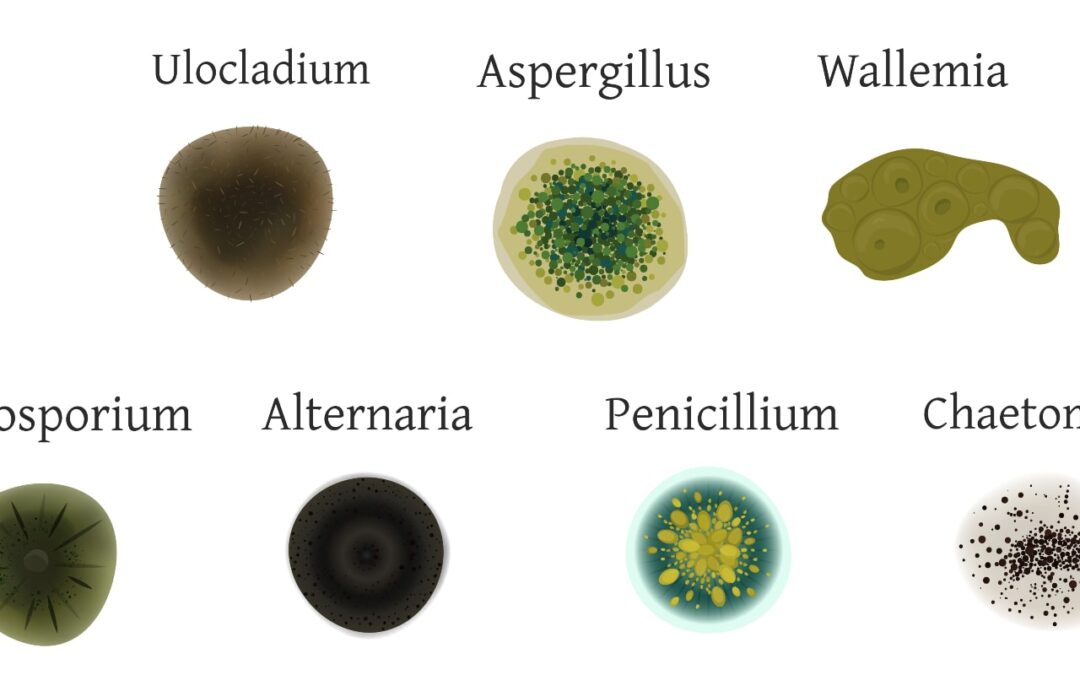
Types of mold in cars

Types of mold in cars

Types of mold found in cars:  Mold is a common problem in cars, especially in humid environments or when there is water damage. There are several types of mold that can be found in a car, and each has its own characteristics and health risks. In this article, we will explore the different types of mold that can be found in a car.

  1. Cladosporium: This is a common type of mold that can be found in the air, soil, and on plants. It is usually black or green and has a powdery texture. Cladosporium can cause allergies and respiratory problems, especially in people with weakened immune systems.
  2. Aspergillus: This mold can be found in damp environments and can cause respiratory problems and allergic reactions. Aspergillus is usually green or yellow and has a velvety texture.
  3. Penicillium: This is a type of mold that is often found in water-damaged areas of a car. It is usually blue or green and has a powdery texture. Penicillium can cause allergies and respiratory problems, especially in people with weakened immune systems.
  4. Stachybotrys: This is a toxic black mold that can be found in water-damaged areas of a car. It has a slimy texture and can cause respiratory problems, allergic reactions, and other health issues. Stachybotrys is a serious health hazard and should be removed immediately.
  5. Alternaria: This is a type of mold that can be found in damp environments and can cause respiratory problems and allergic reactions. Alternaria is usually black or dark green and has a woolly texture.
  6. Fusarium: This is a type of mold that is often found in water-damaged areas of a car. It is usually white or pink and has a cottony texture. Fusarium can cause respiratory problems and allergic reactions, especially in people with weakened immune systems.      It is important to note that any type of mold in a car should be taken seriously and removed as soon as possible. Mold can cause serious health problems, especially for people with allergies or weakened immune systems. If you suspect that your car has mold, it is best to have it inspected by a professional.
Green Mold Types

Green Mold Types

Green mold refers to various fungi that have a greenish hue and grow on surfaces, particularly in moist environments. Here are some common types of green mold:

Is green mold dangerous?

  1. Aspergillus: This is a common type of green mold often found indoors, especially on damp walls, fabrics, and food. Aspergillus species can range from green to yellowish and may cause respiratory issues if inhaled.

  2. Penicillium: Known for its blue-green color, Penicillium can grow on spoiled food, wallpaper, carpeting, and other indoor materials. It can cause allergic reactions and respiratory problems and is also a source of penicillin.

  3. Cladosporium: This mold often appears olive green or black. It thrives on wood surfaces, textiles, and even HVAC ducts. Cladosporium can cause allergic reactions, skin irritation, and respiratory issues.
  4. Trichoderma: Usually greenish-white, Trichoderma is commonly found on water-damaged wood, paper, and walls. It can be particularly destructive to materials and may produce toxins harmful to humans and animals.
  5. Fusarium: Though it comes in a range of colors, Fusarium is sometimes green and grows on plants, damp carpet, and wall insulation. It can cause eye and skin infections and respiratory issues in humans.

Identifying green mold accurately often requires lab testing, as the color alone isn’t always enough to determine the specific type.

How Vast is the Mold World

How Vast is the Mold World

The Vast Mold World

Mold is a fascinating and diverse group of fungi that plays an essential role in ecosystems around the world. These organisms are not only responsible for breaking down organic matter but can also impact human health and infrastructure. But just how many types of mold are there? Let’s dive into the numbers and explore the incredible diversity of molds.

The Estimated Number of Mold Species

Scientists estimate that there are over 100,000 known species of mold, with some projections suggesting that the actual number could be closer to 300,000 or even 500,000 species yet to be classified. Molds belong to the kingdom Fungi, and their vast diversity reflects the adaptability of fungi to a wide range of environments.

Commonly Recognized Mold Genera

Although there are thousands of mold species, a handful of genera are more commonly encountered, especially in homes, vehicles, and other human environments:

  • Aspergillus – Includes over 200 species, many of which are found in indoor environments.

  • Penicillium – Known for its role in antibiotic production, it’s also a common household mold.

  • Cladosporium – Often found on wood, fabrics, and in damp areas.

  • Stachybotrys – Commonly referred to as “black mold,” it’s known for its potential health risks.

  • Alternaria – Found both indoors and outdoors, especially in damp conditions.

Where Are Mold Species Found?

Molds can be found in almost every environment on Earth, including:

  • Indoors: In homes, cars, and workplaces, particularly in damp or poorly ventilated areas.

  • Outdoors: In soil, on plants, and decaying organic matter.

  • Extreme Environments: Some molds thrive in unexpected places like glaciers, deserts, and even deep-sea vents.

How Are New Mold Species Discovered?

Discovering new mold species is an ongoing process for mycologists (scientists who study fungi). With advancements in genetic sequencing, researchers can identify subtle differences between species that were previously thought to be identical. New habitats, such as tropical rainforests or deep caves, continue to yield unique molds.

Why Does Mold Diversity Matter?

The immense variety of mold species serves crucial ecological and practical purposes:

  1. Decomposition: Molds break down organic matter, recycling nutrients into ecosystems.

  2. Medicine: Some molds produce antibiotics and other compounds beneficial to humans.

  3. Food Production: Molds play a key role in making cheeses, soy sauce, and other fermented products.

  4. Biodiversity: The diversity of molds contributes to the overall health and stability of ecosystems.

The Future of Mold Research

With so many species still unclassified, mold research remains a dynamic field. Scientists continue to study molds for their ecological roles, potential health impacts, and applications in medicine and industry.

Conclusion

While over 100,000 mold species are known to exist, this number represents just a fraction of the molds likely present on Earth. Their diversity highlights their importance in nature and their impact on our daily lives. As research progresses, we may uncover even more about these incredible organisms and their surprising abilities.

Call Today!