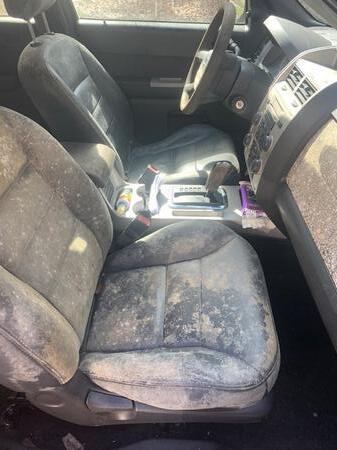
Car mold and your health

Car mold and your health

Car Mold and Its Effects on Your Health and Well-being

Introduction

Car mold and your health.  Most people are aware of the dangers of mold in homes and offices, but few consider the potential harm lurking in their cars. Mold can grow in vehicles due to various reasons, such as water leaks, condensation, or spills left unattended. This article explores the effects of car mold on your health and well-being and offers tips on how to prevent and address mold growth in your vehicle.

I. Understanding Car Mold

Car mold is a type of fungus that thrives in damp, dark, and warm environments. It feeds on organic matter like leather, fabric, and dust, which are abundant in cars. The growth of mold in vehicles can lead to a musty odor and visible spots or discoloration on surfaces. Mold reproduces by releasing spores into the air, which can cause a range of health issues when inhaled or come into contact with your skin.

II. Health Effects of Car Mold

The presence of mold in your car can have several adverse effects on your health and well-being, including: Allergic reactions: Mold spores can trigger allergic reactions in sensitive individuals. Symptoms may include sneezing, itching, runny or stuffy nose, watery or itchy eyes, and skin rashes.

Respiratory issues: Inhaling mold spores can lead to respiratory problems, such as coughing, wheezing, shortness of breath, and chest tightness. Those with pre-existing conditions like asthma or chronic obstructive pulmonary disease (COPD) are particularly vulnerable to mold-related respiratory issues.

Sinus infections: Mold exposure can result in sinus infections, causing symptoms such as headache, facial pain, and nasal congestion.

Immune system disorders: Prolonged exposure to mold can weaken the immune system, making individuals more susceptible to infections.

Neurological symptoms: In some cases, mold exposure can lead to neurological symptoms, such as dizziness, headaches, difficulty concentrating, and memory loss.

III. Preventing and Addressing Car Mold

To protect your health and well-being, it is essential to prevent and address mold growth in your car. The following tips can help:

Keep your car clean and dry: Regularly clean your car’s interior, including vacuuming and wiping down surfaces. Address spills immediately and avoid leaving damp items in your vehicle.

Maintain proper ventilation: Ensure that your car’s ventilation system is functioning correctly, and regularly air out your vehicle by opening windows or doors.

Check for water leaks: Inspect your car for water leaks, particularly around windows, sunroofs, and door seals. Address any issues promptly to prevent mold growth.

Use a dehumidifier or moisture-absorbing products: If you live in a humid area, consider using a dehumidifier or moisture-absorbing products like silica gel packs to reduce moisture in your car.

Inspect and replace cabin air filters: Regularly inspect and replace your car’s cabin air filter to ensure proper air circulation and prevent mold spores from entering the vehicle.

Conclusion

Car mold is a hidden menace that can have severe effects on your health and well-being. By understanding the causes and symptoms of mold exposure and taking proactive steps to prevent and address mold growth in your car, you can safeguard your health and enjoy a safer, cleaner driving environment.

Are Dead Mold Spores Harmful?

Are Dead Mold Spores Harmful?

Are Dead Mold Spores Harmful?

Mold in cars is an alarming issue that goes beyond unpleasant odors or unsightly stains. If you’ve had a mold infestation in your vehicle, you’re likely familiar with the urgency of car mold removal. But what happens when the mold is treated? Many people think that once the mold is dead, the problem is solved. However, dead mold spores can still pose health risks and impact your vehicle’s environment. Let’s explore whether dead mold spores are harmful and what you can do to ensure thorough car mold remediation.

What Are Mold Spores?

Mold spores are microscopic particles released by mold colonies to reproduce. When mold starts growing in your car—often due to moisture buildup or leaks—these spores can become airborne. This is when mold becomes hazardous to your health, especially for individuals with respiratory issues, allergies, or weakened immune systems.

Are Dead Mold Spores Harmful?

Contrary to popular belief, dead mold spores can still be harmful. When mold is treated with chemicals or removed without proper remediation methods, the mold itself may die, but the spores remain. Dead mold spores can still trigger allergic reactions and respiratory issues when inhaled, as they can linger in the air or settle into surfaces like car seats, carpets, and vents.

Key points to consider:

  • Airborne allergens: Dead mold spores can still trigger allergic reactions such as sneezing, coughing, or eye irritation.
  • Respiratory problems: Individuals with asthma or respiratory conditions may find that dead mold spores exacerbate their symptoms.
  • Toxins: Certain types of mold, like black mold (Stachybotrys), produce mycotoxins, which can remain even after the mold dies.

In short, while dead mold may not be actively growing, the threat isn’t over until all traces, including spores, are removed from your vehicle.

Why Mold Thrives in Cars

Mold growth in cars typically occurs when moisture is trapped inside, such as after water leaks, high humidity, or improper drying after cleaning. Car mold is often found in hidden areas such as under carpets, in the air conditioning system, or within upholstery. The confined space of a car can make the effects of mold—whether living or dead—even more concentrated and dangerous.

Steps for Effective Car Mold Remediation

To fully address mold issues in your car, you must go beyond just killing the mold. Proper mold remediation involves removing both live mold and dead spores. Here’s how you can approach this:

  1. Identify the source of moisture: Mold needs moisture to thrive, so the first step is to eliminate any water leaks, condensation, or excess humidity in your vehicle. Check windows, sunroofs, and air conditioning systems for leaks.
  2. Deep cleaning and disinfection: Use specialized cleaning solutions for mold removal, such as enzyme-based cleaners or products designed for automotive use. Make sure to clean all affected areas thoroughly, including hidden spots like under mats and inside air vents.
  3. Vacuum with a HEPA filter: Once the mold is killed, use a vacuum equipped with a HEPA filter to capture both live and dead spores. Regular vacuums may simply blow the spores back into the air, so a HEPA filter is crucial.
  4. Professional car mold remediation: If the mold infestation is severe or if you’re dealing with toxic molds like black mold, it’s recommended to seek professional car mold removal services. Professionals will use advanced equipment like foggers or steam cleaners to ensure all spores are eradicated.
  5. Air out your vehicle: After cleaning, ventilate your car by opening the doors and windows for several hours. This helps to release any lingering spores and improve air circulation.
  6. Dehumidify: Mold thrives in damp conditions, so it’s a good idea to keep a dehumidifier or moisture absorber in your vehicle, especially if you live in a humid climate.

Preventing Future Mold Growth

Preventing mold is the best way to avoid dealing with harmful mold spores—whether dead or alive. Here are some prevention tips:

  • Fix leaks immediately: As soon as you detect water leaking into your vehicle, address the issue.
  • Regular cleaning: Regularly clean your car’s interior, especially after spills or wet weather, to prevent mold from finding a place to grow.
  • Use moisture absorbers: Products like silica gel packs or activated charcoal can help absorb moisture in your car, reducing the likelihood of mold growth.

Final Thoughts: Don’t Underestimate Dead Mold

Dead mold spores may not be growing, but they still pose a risk to your health. The key to proper mold remediation is not just killing the mold but removing it entirely, along with the spores it leaves behind. By thoroughly cleaning your car, using a HEPA vacuum, and addressing moisture issues, you can ensure your vehicle remains mold-free and safe to drive.

Call Today!