Documenting Car Mold for Insurance Claims

Documenting Car Mold for Insurance Claims

Auto Insurance Guide · May 2026

How to Document Car Mold for an Insurance Claim


You open your car door, and the smell hits you like a wall. Black or green patches creep across your seats, carpets, and dashboard. Car mold is more than unsightly — it's a health hazard, a resale killer, and potentially a covered insurance loss. The key word is potentially. Whether your insurer writes a check depends almost entirely on how well you document the damage from the very first moment.

Does Car Insurance Actually Cover Mold?


The short answer is: sometimes. According to insurance specialists, comprehensive auto insurance — not liability or collision — is the policy type that can potentially cover mold damage. But there is a critical catch: the mold must result directly from a sudden, covered peril such as a severe storm, flash flood, or a broken window seal shattered in an accident.

If mold grew because a sunroof drained slowly over months, or because you left a window cracked during a rainy week, your insurer will almost certainly classify it as a maintenance issue and deny the claim. The distinction the industry draws is between an accidental event and gradual neglect — and that distinction lives or dies in your documentation.

âš  Important caveat

Many policies contain explicit mold exclusion language. Coverage only applies when mold is a direct consequence of a covered peril. Review your declarations page or call your agent before filing.


Step 1 — Act Immediately After the Triggering Event


If a storm, flood, or collision is the root cause, the clock starts ticking the moment the event occurs. Mold colonies can establish within 24–48 hours of moisture intrusion. The faster you document, the harder it is for your insurer to argue the damage was pre-existing or the result of delayed maintenance.

Your first actions should be:

  • Photograph the event itself if possible (flood water level, hail damage, broken glass)
  • Note the exact date, time, and weather conditions
  • Save any weather service alerts or news reports for that day
  • Do not attempt to clean the mold before an adjuster inspects the vehicle

💡 Pro tip

Screenshot local National Weather Service alerts or pull a weather history report from weather.gov for your ZIP code on the date of the event. Timestamped meteorological data is powerful third-party evidence.


Step 2 — Photograph and Video Everything


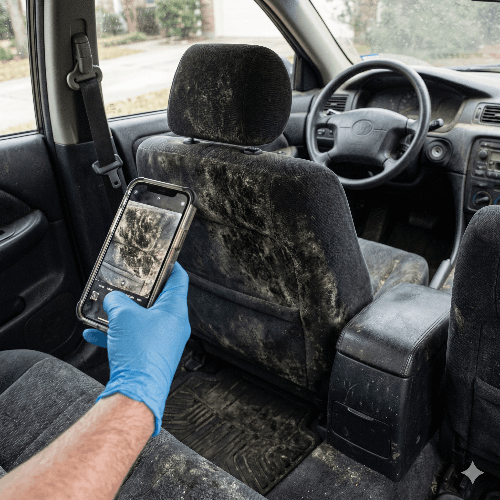
Visual evidence is the backbone of any car mold insurance claim. Adjusters and claims software are trained to look for inconsistencies — a thorough photo record makes your story airtight. Use your smartphone in good natural lighting and capture the following:

  • Wide shots of the full interior showing affected areas in context
  • Close-up shots of mold colonies with a coin or ruler for scale
  • The source of moisture entry — cracked seals, corroded drain tubes, damaged weather stripping
  • Any water staining, rust, or warped panels indicating prolonged moisture
  • The VIN plate and odometer reading in the same session to timestamp the vehicle

Supplement photos with a short walkthrough video. Narrate aloud as you record, stating the date, your name, and describing what you're seeing. This audio timestamp is difficult to fabricate and lends credibility to your account.

Wide-angle shots

Establish context — show the full seat row, trunk, or floor pan affected

Close-up detail

Capture colonies with a scale reference; show depth of penetration into fabric

Entry point

Photograph the exact seal, drain, or panel where water entered

Narrated video

Walk through the car on camera, speaking the date and damage description aloud

Step 3 — Get a Professional Inspection Report


A professional assessment transforms your photos into a certified damage estimate — the document your insurer actually needs to authorize payment. The EPA's mold guidance recommends that any growth covering more than 10 square feet be assessed by a certified industrial hygienist or remediation specialist. For an insurance claim, a signed inspection report from a licensed professional carries far more weight than photos alone.

Ask the inspector to document:

  • The species of mold present (some carriers ask for this)
  • The estimated scope of remediation required (seat removal, carpet replacement, HVAC decontamination)
  • A written opinion on the probable moisture source and timeline of growth
  • A line-item remediation estimate that matches common auto detailing billing codes
"The distinction insurers draw is between a sudden, accidental event and gradual neglect — and that distinction lives or dies in your documentation."

Step 4 — File Your Comprehensive Coverage Claim Correctly


When you contact your insurer, explicitly invoke your comprehensive coverage and describe the originating event clearly. Never use language that implies gradual leakage unless that is unavoidable. Frame the claim around the peril — the storm, the flood, the vandalism — not the mold itself.

The Insurance Information Institute recommends having these items ready when you call:

  • Your policy number and declarations page
  • Date, location, and description of the originating event
  • Your complete photo and video documentation package
  • The professional inspection and remediation estimate
  • Any weather data, police reports, or third-party records supporting your timeline

Ask the claims representative directly: "Is there a mold exclusion in my policy, and does it apply to damage caused by a covered peril?" Get the answer in writing via email or the insurer's claims portal.


Step 5 — Understand What to Expect During the Claims Process


Once filed, a claims adjuster — in person or via a digital appraisal app — will assess your vehicle. The National Association of Insurance Commissioners (NAIC) requires most states to resolve personal property claims within 30 days of receiving all required documentation, though timelines vary. If approved, your payout will be the cost of remediation minus your comprehensive deductible.

If your claim is denied, you have the right to request a written explanation and to appeal through your insurer's formal dispute process. You can also file a complaint with your state insurance commissioner if you believe the denial was improper. Keep every piece of correspondence — emails, claim numbers, adjuster notes — organized in a dedicated folder.

💡 If you're denied

A public adjuster can independently assess your vehicle and negotiate with the insurer on your behalf. The National Association of Public Insurance Adjusters (NAPIA) maintains a directory of licensed professionals by state.


Preventing Mold in the First Place


The best insurance strategy is never needing to file. Keeping your vehicle mold-free is simpler than remediation. Check door and window seals annually for cracking, ensure sunroof and A/C drains are clear of debris, and address any interior wetness immediately with moisture-absorbing products. Consumer Reports' car maintenance guide suggests inspecting weather stripping every spring as part of a routine check-up — a $5 tube of sealant now beats a $2,000 remediation claim later.
Why Does Mold Stain

Why Does Mold Stain

Why Does Mold Stain Car Interiors? (And How to Actually Fix It)

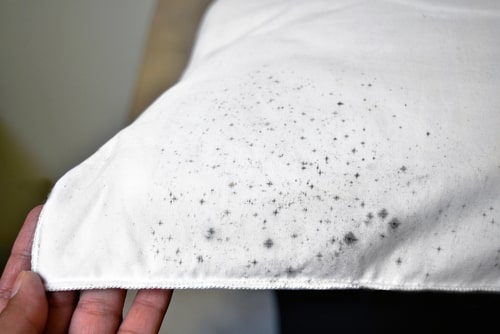
You walk up to your car, open the door, and immediately notice it — a musty smell, dark blotchy stains spreading across the seat fabric or carpet, and maybe even visible fuzzy growth on the headliner. Mold in a car isn't just unsightly. It's a sign that something has gone wrong, and if you don't address it the right way, it will keep coming back.

One of the questions we hear most often from car owners is: why does mold leave such stubborn stains? Understanding the science behind it is the first step to understanding why true car mold remediation is so much more effective than simply wiping the surface clean.


What Is Car Mold, Really?

Mold is a living fungus — and like all living things, it's designed to survive. According to the U.S. Environmental Protection Agency, mold reproduces by releasing microscopic spores into the air. Those spores land on surfaces, and when moisture and an organic food source are present, they germinate and begin growing colonies.

Inside a car, conditions can become ideal for mold surprisingly fast. A wet floor mat that doesn't dry out, a small leak around a window seal, a forgotten water bottle — any of these can push interior humidity high enough to trigger mold growth. And once mold takes hold on car seats, carpet, or headliners, it doesn't just sit on the surface. It begins actively feeding on the material beneath it.

That feeding process is exactly what causes the staining — and why it's so difficult to remove on your own.


The Science Behind Why Mold Stains So Stubbornly

1. Mold Digests Organic Material

Car interiors are full of organic material. Fabric upholstery, foam padding, leather, carpet backing, and natural rubber compounds all contain the carbon-based compounds mold feeds on. When mold colonizes these surfaces, it secretes enzymes that break down the material at a molecular level — essentially digesting it. This enzymatic breakdown causes physical, structural damage to the fibers, and that damage leaves a visible mark even after the mold itself is killed.

This is why the dark or greenish stains left behind by mold on car seats or mold on car carpet often don't fully disappear even after aggressive cleaning. The mold has already altered the surface itself.

2. Mold Produces Its Own Pigments

Many mold species — including the common Cladosporium, Aspergillus, and Stachybotrys strains that frequently appear in car interiors — produce natural pigments called melanins and other chromogenic compounds as a byproduct of their metabolic activity. These pigments aren't just sitting on the surface of your seat; they penetrate deep into porous fibers.

Black mold in a car is particularly problematic in this regard. The dark coloration that gives black mold its name comes from a highly stable pigment that resists most household cleaning agents. Bleach-based products may lighten the stain, but they rarely remove the pigment from deep within the fiber — and they can damage upholstery and carpeting in the process.

3. Porous Materials Make It Worse

Hard, non-porous surfaces — like glass or plastic trim — are far easier to clean of mold than fabric, foam, and carpet. Porous materials give mold a physical structure to grow into, not just on. By the time mold on car upholstery is visible to the naked eye, the fungal mycelium has already penetrated potentially several millimeters into the material.

The longer mold in a car is allowed to grow, the deeper it penetrates, and the harder it becomes to remove the staining completely. This is one of the most important reasons to act quickly rather than waiting to see if the problem "clears up on its own." It won't.


Car Mold Removal vs. Car Mold Remediation: Why the Difference Matters

These two terms get used interchangeably, but they are not the same thing — and understanding the distinction can save you money and frustration.

Car mold removal refers to physically cleaning away visible mold from surfaces. This might mean scrubbing affected areas with a cleaning solution, vacuuming up spores, and wiping down hard surfaces. It addresses what you can see.

Car mold remediation is a comprehensive process that goes much further. Professional car mold remediation involves:

  • HEPA vacuuming to capture spores from all surfaces — including the air — before they can spread
  • Antimicrobial treatment applied to affected and surrounding areas to kill live mold at the root level, not just on the surface
  • Odor elimination targeting the microbial volatile organic compounds (MVOCs) that cause the characteristic musty smell, even after visible mold is gone
  • Moisture source identification to find and correct the leak, condensation issue, or humidity problem that allowed mold to grow in the first place
  • Post-treatment inspection to confirm the mold has been fully addressed

The CDC notes that simply killing mold with a chemical does not eliminate the allergenic and irritant properties of dead mold — the spores and cell fragments must also be physically removed. This is why surface-level car mold removal so often results in the problem recurring within weeks, while professional remediation addresses it at a systemic level.


Why Does Mold Keep Coming Back?

If you've tried to get rid of mold in your car before and found it returning, you're not alone. The single most common reason mold comes back after DIY treatment is that the underlying moisture problem was never resolved.

Mold needs three things to survive: a food source (which your car's interior provides in abundance), the right temperature (anywhere between 40°F and 100°F qualifies), and moisture. Eliminating the moisture source is the only reliable way to prevent regrowth after treatment.

Common hidden moisture sources in cars include:

  • Clogged sunroof drainage channels — These small tubes run from the sunroof frame down through the pillars and drain outside. When they get clogged with debris, water backs up and seeps into the headliner and A-pillar trim.
  • Leaking windshield or window seals — Even small gaps in weatherstripping can allow significant water intrusion over time.
  • HVAC drain clogs — Your car's air conditioning system removes humidity from the cabin air and drains it through a tube that exits under the vehicle. A clogged evaporator drain can allow water to pool in the carpet under the dash.
  • Wet floor mats — Mud, tracked-in water, or spilled drinks that saturate carpet and are sealed under mats create a persistently damp environment perfect for mold.

The Insurance Institute for Business & Home Safety offers a useful resource on moisture management that applies to enclosed spaces including vehicles — understanding how moisture behaves is central to preventing mold long-term.


What Professional Car Mold Remediation Actually Looks Like

When you bring in a professional for car mold removal and remediation, the process is thorough in a way that DIY methods simply cannot match. Here's what a proper remediation involves:

  1. Initial assessment — A trained technician inspects the full interior, identifies all affected areas, and locates the moisture source.
  2. Containment — In severe cases, the car is treated as a contained environment to prevent cross-contamination during the remediation process.
  3. HEPA extraction — High-efficiency vacuuming removes loose spores, mold fragments, and debris from all surfaces, including HVAC vents, which can harbor and recirculate spores.
  4. Antimicrobial treatment — EPA-registered antimicrobial agents are applied to all affected surfaces, penetrating into porous materials to kill mold at the root.
  5. MVOC and odor treatment — Professional-grade hydroxyl generators or chlorine dioxide treatment may be used to eliminate the musty odor compounds that persist even after mold is killed.
  6. Drying and post-inspection — The interior is fully dried and inspected to confirm the remediation is complete.

This level of thoroughness is why professional remediation produces lasting results while repeat DIY attempts often don't.


Preventing Mold Stains Before They Start

Prevention is always easier than remediation. To keep your car's interior mold-free:

  • Fix water leaks immediately. Don't let a leaking door seal or sunroof drain linger. Address it at the first sign of interior moisture.
  • Dry wet interiors fast. If water gets in — whether from rain, a spill, or a car wash — use absorbent towels and run the defroster to dry it out within 24–48 hours. After that window, mold can begin colonizing.
  • Use desiccants. Moisture-absorbing products like DampRid placed in the interior can help manage humidity in storage or in humid climates.
  • Run the AC. Your car's air conditioning actively dehumidifies the cabin air. Using it regularly, even in mild weather, keeps interior humidity in check.
  • Don't leave wet items inside. Wet gym bags, umbrellas, towels, and gear left in a closed car create a moisture surge that can kick-start mold growth within days.

When to Call a Professional

If you can see mold, if your car has a persistent musty odor that doesn't go away, or if a family member with allergies or respiratory issues is reacting to time spent in the vehicle, it's time to call a professional. The American Industrial Hygiene Association recommends professional assessment and remediation for mold situations involving more than a small surface area, or any situation where spore levels may have been elevated inside a space.

Mold stains in a car interior are a symptom, not the full problem. Addressing the visible stain without addressing the mold itself — and the moisture that feeds it — is treating the symptom while the underlying condition worsens.


The Bottom Line

Mold stains car interiors because it is biologically designed to digest organic material and embed itself into porous surfaces. Once those stains appear, surface cleaning alone rarely solves the problem. Effective car mold remediation addresses the mold, the spores, the odor compounds, and — critically — the moisture source that made it possible in the first place.

If you're dealing with mold in your car, don't wait. The longer mold grows, the deeper it penetrates, and the harder the staining becomes to fully resolve. Early action protects both your vehicle and the health of everyone who rides in it.


Looking for professional car mold remediation in your area? Contact the specialists who handle nothing but mold in vehicles — because car interiors require a different approach than home or office remediation.

What you Should Know About the Impacts of Car Mold on your Pet

What you Should Know About the Impacts of Car Mold on your Pet

What You Should Know About Car Mold and Your Pet's Health

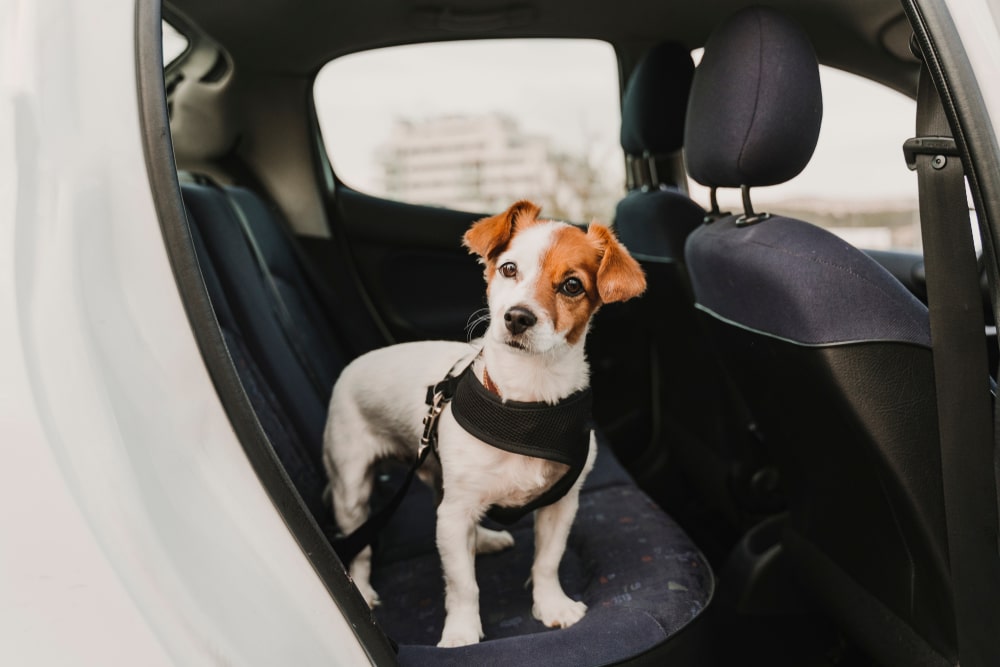
If your dog or cat rides with you regularly, your car isn't just a vehicle — it's part of their world. But there's a hidden danger that many pet owners completely overlook: car mold. Mold growth inside vehicles is more common than most people realize, and when you factor in pet hair, damp fur, and the confined space of a car interior, the conditions for a serious mold problem can develop faster than you'd think.

Here's what every pet owner needs to know.


How Pet Hair Actually Fuels Mold Growth in Your Car

Your pet is lovable. Your pet's hair? Less so — at least when it comes to your car's interior. Pet hair contributes to mold growth in three key ways:

1. It Traps Moisture Pet hair is absorbent by nature. Whether your dog just took a swim at the lake, got caught in the rain, or climbed in with damp paws, that moisture gets locked into the fibers of your seats and carpet — and it doesn't evaporate the way you'd expect in a sealed vehicle. That lingering dampness is exactly what mold spores need to take hold and multiply.

2. It Provides Food for Mold Mold doesn't just need moisture — it needs an organic food source. Pet hair, skin dander, and dried saliva create a buffet of organic material that mold thrives on, especially in hard-to-reach spots like under seats, inside door pockets, and deep in carpet fibers.

3. It Clogs Your Ventilation System Pet hair loves air vents. When hair accumulates in your cabin air filter and ductwork, airflow is reduced and humidity builds up in pockets throughout your car's interior — another accelerant for mold growth. According to the EPA, indoor mold can begin growing within 24 to 48 hours when moisture is present on an organic surface. Your car's interior checks every box.


The Real Health Risks of Car Mold for Your Pets

This is where things get serious. Pets are not simply small humans when it comes to mold exposure — they are actually more vulnerable. Smaller body size, lower body weight, and less developed immune defenses mean that what causes minor irritation in a person can cause a genuine health crisis for a dog or cat.

The American Veterinary Medical Association (AVMA) recognizes mold as an environmental toxin that can significantly impact animal health, particularly in enclosed, poorly ventilated spaces — exactly like the inside of your car.

Here's what mold exposure can do to your pet:

Respiratory Problems

One of the most common signs of mold exposure in pets is respiratory distress. Mold spores irritate the airways, causing:

  • Persistent coughing and wheezing
  • Labored or noisy breathing
  • Frequent sneezing and nasal discharge
  • Worsening of pre-existing asthma or bronchitis

In severe or prolonged cases, mold exposure has been linked to pneumonia in dogs and cats — a potentially life-threatening condition that requires immediate veterinary care.

Allergic Skin Reactions

Just like humans can develop skin reactions to environmental allergens, so can your pets. Mold-triggered allergic dermatitis presents as:

  • Red, inflamed, or itchy skin — especially around the ears, paws, and eyes
  • Excessive scratching or biting at the skin
  • Recurring ear infections (particularly in dogs with floppy ears, where moisture easily gets trapped)

If your pet seems to itch more after car rides and you can't figure out why, mold — not just seasonal allergies — may be the culprit.

Gastrointestinal Distress

Pets groom themselves constantly. If mold spores are present on their fur after a car ride, they ingest those spores while self-cleaning. The result can be:

  • Vomiting and diarrhea
  • Loss of appetite
  • Visible signs of digestive discomfort

Neurological Symptoms: The Danger of Mycotoxins

This is the one most pet owners don't know about, and it's critical. Certain types of mold — including species commonly found in damp car interiors — produce mycotoxins, which are toxic compounds that can affect the nervous system. According to the ASPCA Animal Poison Control Center, mycotoxin exposure in pets can cause:

  • Tremors and seizures
  • Disorientation and loss of coordination
  • Sudden behavioral changes
  • Extreme lethargy or depression

If you notice any of these symptoms after your pet has been in your vehicle, this is a veterinary emergency — act immediately.

Immune System Suppression

Chronic exposure to mold, even at low levels, gradually weakens your pet's immune system. Over time, this makes them more susceptible to secondary infections, slower to recover from illness, and more vulnerable to other environmental stressors. Long-term exposure can also contribute to significant weight loss due to ongoing digestive issues.


Recognizing the Warning Signs Early

The earlier you catch it, the better. Watch for these signs of mold exposure in your dog or cat — especially if they ride in your car frequently:

  • Coughing, wheezing, or sneezing that doesn't resolve
  • Runny nose or watery eyes after car rides
  • Skin irritation, redness, or excessive grooming
  • Recurring ear infections
  • Vomiting, diarrhea, or appetite loss
  • Unusual lethargy or personality changes
  • Tremors or coordination issues (seek emergency care immediately)

If you notice any of these symptoms and suspect mold, remove your pet from the vehicle immediately and consult your veterinarian. Arrange for your pet to stay with someone else while the car is inspected and treated — continued exposure will only make symptoms worse.


How to Prevent Car Mold When You Travel with Pets

Prevention is always easier — and cheaper — than remediation. Here's how to reduce the risk:

Groom your pets before car rides. A well-brushed, clean dog sheds less hair and carries less dander. If your pet got wet, towel-dry them thoroughly before they get in the car.

Use washable seat covers and cargo liners. These create a barrier between your pet and your car's upholstery and are easy to launder regularly. Look for covers marketed specifically for pet use — they're designed to trap hair and resist moisture.

Vacuum frequently with a HEPA filter vacuum. Standard vacuums can recirculate mold spores into the air. A HEPA-filter vacuum captures spores rather than redistributing them. Don't forget under seats, in seat crevices, and along door edges.

Dry out your car after every wet trip. Leave windows slightly cracked when safe, or run the air conditioning to pull humidity out of the interior. Silica gel packs and activated charcoal bags are inexpensive and effective at absorbing residual moisture.

Replace your cabin air filter regularly. A clogged filter is one of the leading causes of poor air circulation and mold-friendly conditions inside cars. Check it every 15,000–20,000 miles, or more often if you travel with pets frequently.

Monitor interior humidity. A small, inexpensive hygrometer can be kept in your car to monitor moisture levels. Keep humidity below 50% to prevent mold from gaining a foothold.


What to Do If Mold Is Already Present

If you've spotted visible mold, noticed a musty smell that won't go away, or your pet has been showing symptoms of mold exposure — don't wait. Surface wipe-downs with household cleaners are not enough for established mold in a vehicle. Car mold works its way into foam padding, carpet backing, and HVAC systems where standard cleaning can't reach.

Professional car mold remediation is the safe, effective solution. A trained specialist will:

  • Locate hidden mold growth, including inside ventilation systems
  • Perform a deep extraction of mold from all porous surfaces
  • Apply professional-grade antimicrobial treatments
  • Test air quality to confirm the vehicle is safe
  • Address any underlying moisture sources (leaks, drainage clogs) that allowed mold to grow

Attempting DIY remediation without the right equipment often results in spreading spores rather than eliminating them — and incomplete treatment means the mold comes back.


The Bottom Line

Your pets depend on you to keep their environment safe — and that includes the car they ride in. Pet hair, moisture, and poor ventilation create a perfect storm for mold growth, and the health consequences for your dog or cat can range from irritating to genuinely life-threatening.

The good news is that with regular cleaning, proper moisture control, and professional help when needed, car mold is a completely manageable problem. Don't let it become a serious one.

Think your car might have a mold problem? Contact Car Mold Guys today for a professional inspection and remediation. We specialize in removing mold from vehicles safely and completely — so you and your pets can ride with confidence.

Call Today!